

How To Grow Moss
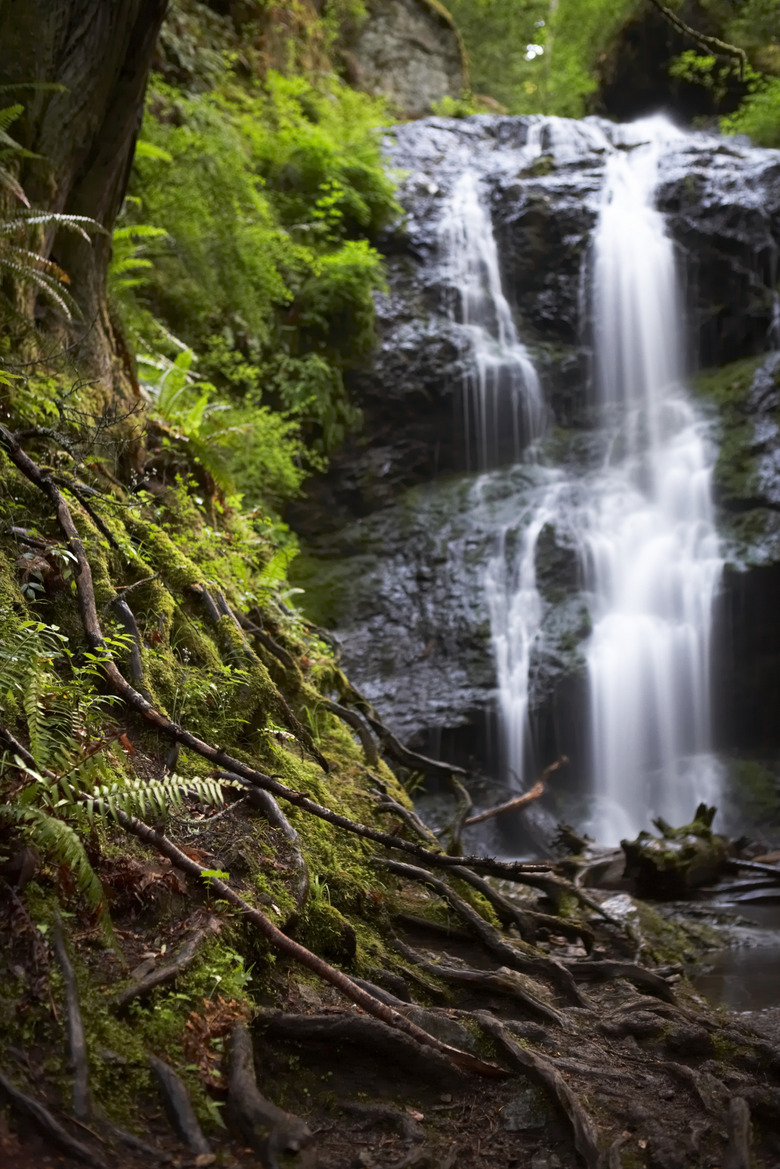
Moss adds a soft texture to your landscape and makes the garden appear more lush. A layer of moss-between-flagstone.html)-between-flagstone.html) growing on rocks or wooden yard elements adds character to the space. You can aid in the moss growth in your landscape with a few common home ingredients, although the moss won't thrive unless the environment is moist and shady.
Step 1
Select the proper growing site for your moss. Moss needs a cool, moist, shady area in order to survive.
Step 2
Toss 1 cup of plain yogurt, 1 cup of water and a handful of moss in the blender and make a slurry.
Step 3
Paint the moss slurry on the area where you want to have moss grow. Mist the slurry-coated area to keep it moist until the moss begins growing.
- Moss adds a soft texture to your landscape and makes the garden appear more lush.
- Mist the slurry-coated area to keep it moist until the moss begins growing.
Grow Moss Between Pavers
Prepare the planting site by pulling weeds from between the pavers using a trowel. Fill in the empty spaces with soil. Carefully remove moss growing on the ground using a trowel or square shovel, taking as many sections of moss as you think you will need to fill in between the pavers. Remove the moss with some of the material on which it is growing, if possible. Pack the moss firmly into the spaces between the pavers. Press down hard on the moss with your hands, or tamp it down firmly with your shoe. This will not hurt the moss, and removing air pockets is essential to its successful transplantation. Water daily for three weeks. Mist the moss by spraying it lightly with a garden hose if it seems unusually dry or loses its green color. Some gardeners like to experiment by substituting buttermilk, beer or egg for the water. You can press down some additional moss fragments in spots between the pavers, if desired.
- Prepare the planting site by pulling weeds from between the pavers using a trowel.
- Mist the moss by spraying it lightly with a garden hose if it seems unusually dry or loses its green color.
Things Needed
- Moss
- Plain yogurt
- Blender
- Shade
- Metal brush
Tip
An alternate method is to mix 1 qt. buttermilk, 1 pint composted manure and 1 pint of moss.