

Importance Of Water To Plants
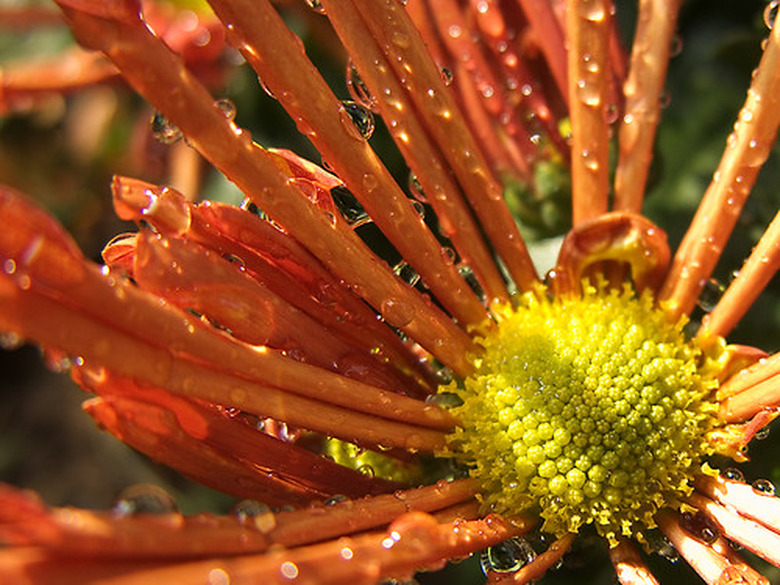
Every living thing requires water. Plants can use up to its entire body weight in water. If humans were to use the same amount of water, we would need to drink up to 20 gallons of fluid a day.
Function
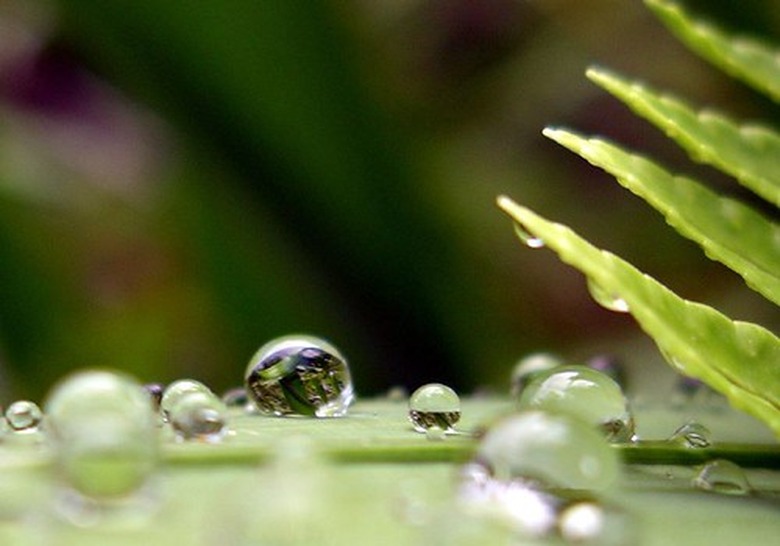
Plants use water to dissolve minerals and nutrients from the soil surrounding the root system and carry it up through the stems and leaves.
Transpiration
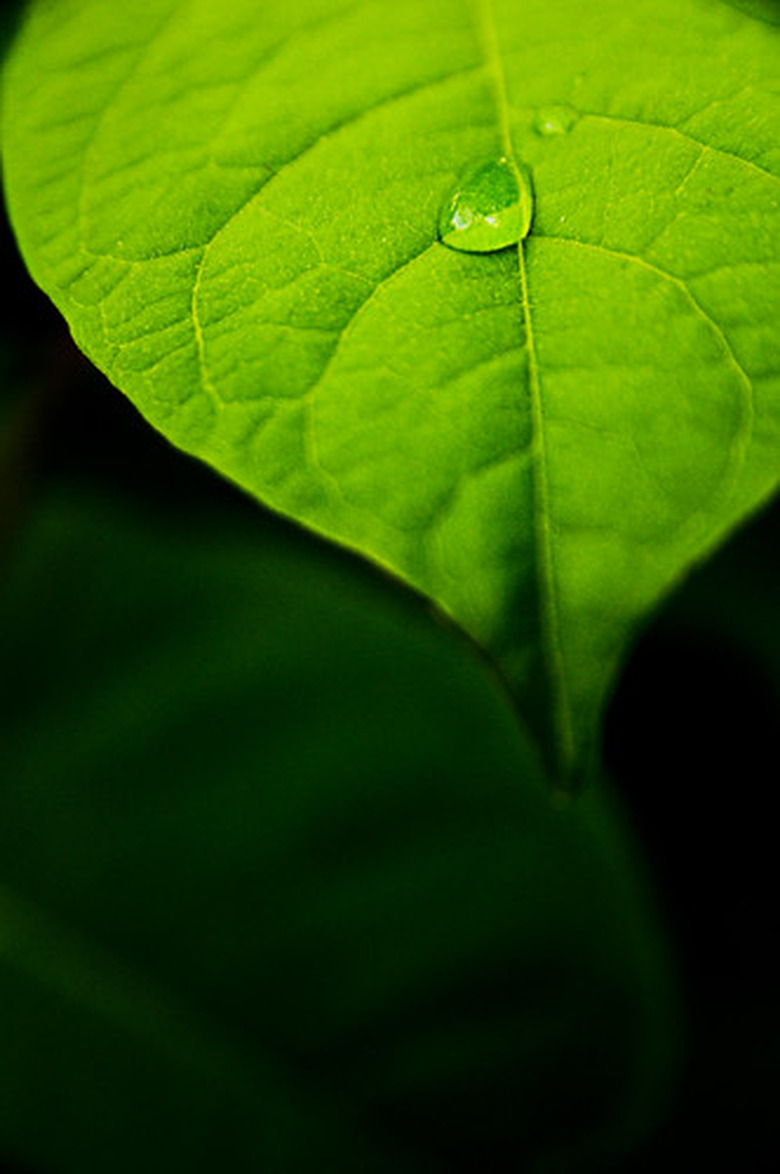
Water is essential for transpiration, the exchange of water for carbon dioxide. Pores in the leaves of plants absorb carbon dioxide and allow water to evaporate out.
Structure

Water fills the cells of plants providing firm support. This is why plants wilt when deprived of water and perk up after receiving water.
- Every living thing requires water.
- This is why plants wilt when deprived of water and perk up after receiving water.
Photosynthesis
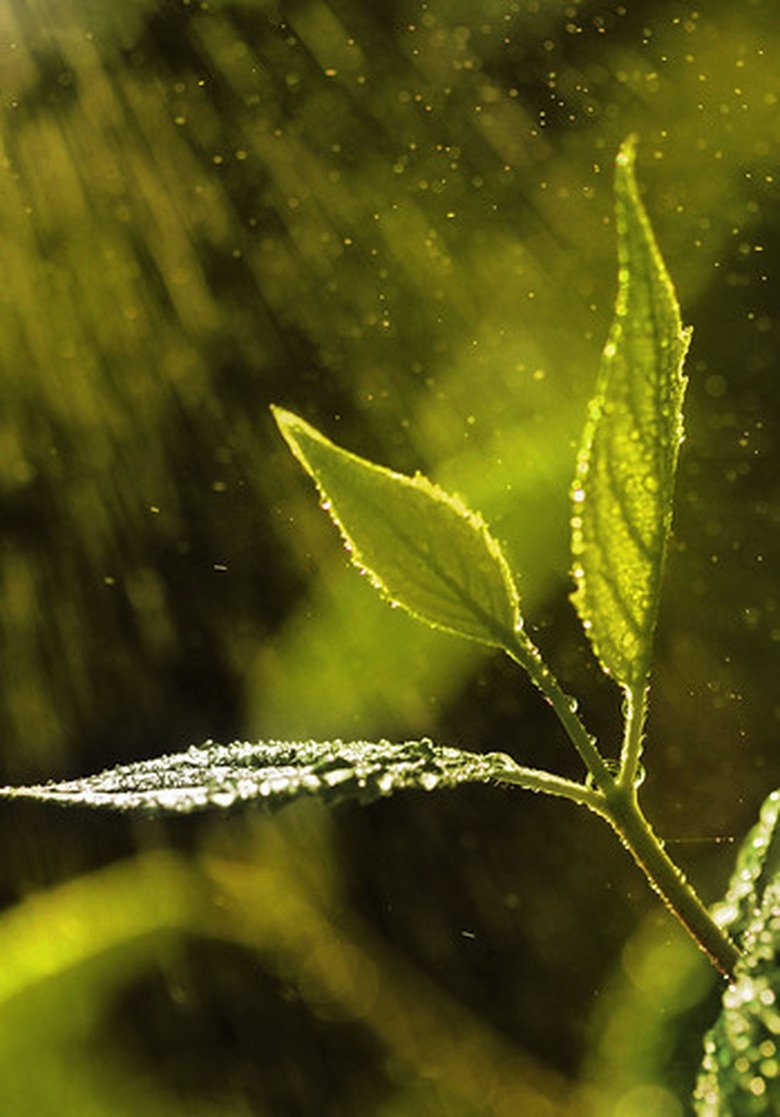
Water is an important part of photosynthesis, the process plants use to convert the sun's energy into food. Water molecules combine with carbon to produce glucose, which the plant uses as food.
Expert Insight

Too much water can cause a plant's roots to rot. Gardeners should take care that plants have enough drainage to avoid overwatering.