

Insulation For Plants In Pots
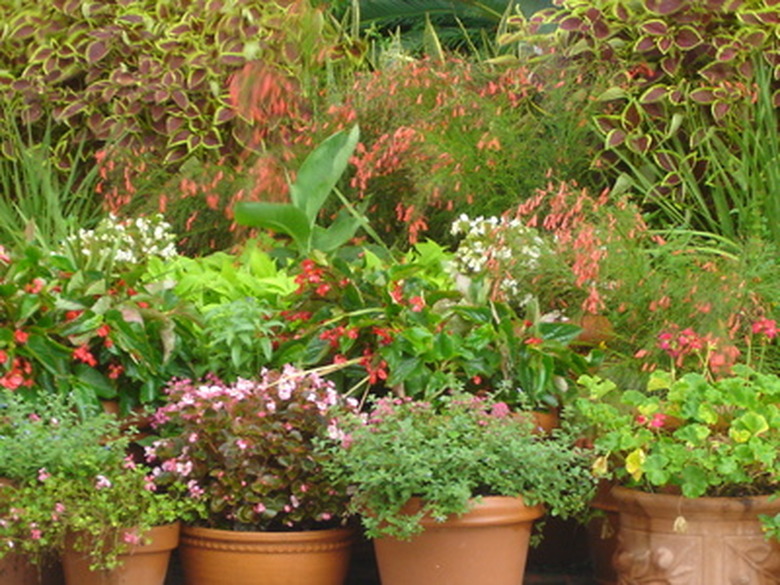
Potted plants are an attractive addition to any home or apartment. Unfortunately, potted plants also require extra care to survive the winter months. Although bringing a potted plant inside the home is the best way, there are many other ways to insulate potted plants from the cold. Blankets, mulch, plastic bubble wrap and many other items have been used through the years.
Location
One of the most important aspects to consider when deciding how to insulate plants is their location. Plants located on the ground will receive some of their needed heat from the ground itself. This particular location allows for using mulch, leaves, dirt or simply tossing a blanket over the entire plant, including the pot. However, plants on a plant stand or on a deck need to be covered entirely, even the bottom. Otherwise, the cold air will enter the plant from the bottom of the pot and damage the potted plant.
- Potted plants are an attractive addition to any home or apartment.
- This particular location allows for using mulch, leaves, dirt or simply tossing a blanket over the entire plant, including the pot.
Leaves and Mulch
Place potted plants close together, cover the outer area of potted plants with leaves or mulch. Put mulch or leaves inside the top portion of each potted plant so that it is several inches thick in each pot. Depending on the wind and rain, the mulch or leaves may have to be replaced frequently. Be sure to keep an eye on the potted plants to ensure that there are no signs of mold or other disease forming on the potted plants.
Bubble Wrap
The UBC Botanical Garden and Centre for Plant Research website lists bubble wrap as an alternative insulation for potted plants. According to the UBC, the bubble wrap will provide the insulation that the potted plants need from the cold weather, but the bubbles in it will allow for a small amount of air circulation, which is vital for the potted plants to survive through the winter. However, for bubble wrap to work, the pot the plant is in needs to be completely encircled by the bubble wrap.
- Place potted plants close together, cover the outer area of potted plants with leaves or mulch.
- Depending on the wind and rain, the mulch or leaves may have to be replaced frequently.
Styrofoam
While Styrofoam will work as an insulation for potted plants, it is not always practical. Robert Spencer, Ag-Info Centre, Alberta Agriculture and Rural Development, suggests that placing Styrofoam insulation inside the potted plant could do more harm than good. According to Mr. Spencer, the chemicals in the Styrofoam could leach out and cause damage to the potted plant. In addition, placing Styrofoam inside the potted plant would take up valuable root space that the plant may need to survive.
Blankets
Blankets have long been an inexpensive means for insulating potted plants from the freezing temperatures. Thick cotton blankets or quilts work better than crocheted blankets. The yarn used to make crocheted afghans and blankets is thin and therefore does not make an effective insulation for potted plants during the winter months. University of Massachusetts Extension Service recommends thermal blankets be used to insulate potted plants, but for the individual homeowner with a small amount of potted plants, thermal blankets could be cost prohibitive.
- While Styrofoam will work as an insulation for potted plants, it is not always practical.