

Is Your Plant An Annual Or Perennial?
Annuals
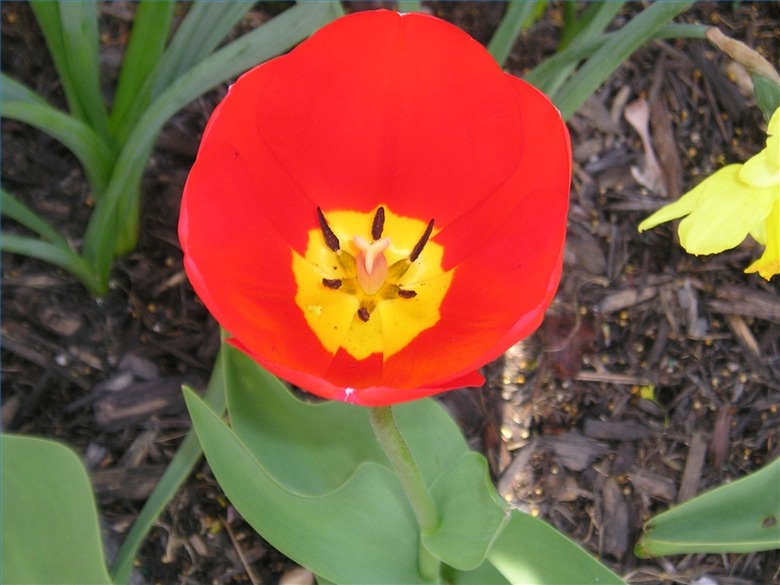
If you are a novice gardener, one of the basics to learn is the difference between annual and perennial plants. The simplest way to differentiate between the two is to understand that annuals are plants that have a one-year life cycle. They grow from seed, bloom, set seed again and then die. Sometimes, if left to set seed, the seeds will germinate the following year. An annual's blooming season lasts from spring to frost. Impatiens, marigolds, zinnias and petunias are common examples of annuals.
Perennials
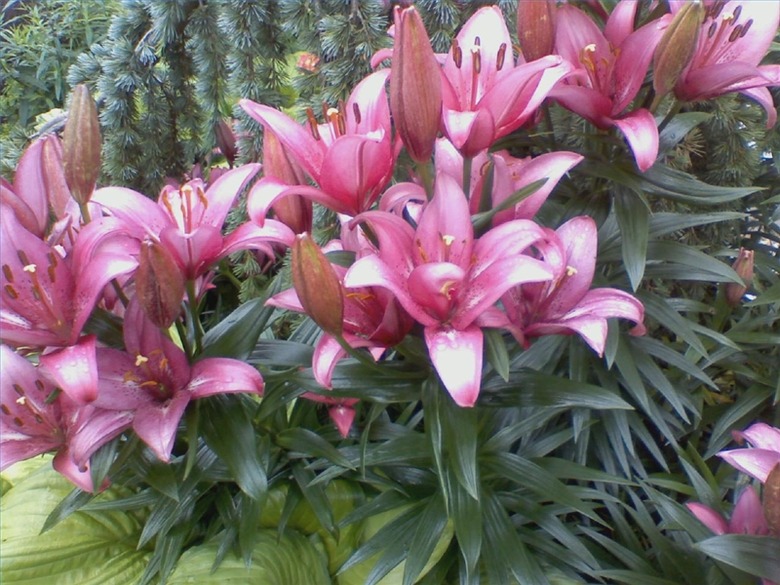
Unlike annuals, perennials are flowers that live for three or more years. Their bloom time is generally within a short two- to three-week span, although this can also be extended by regular deadheading (removing spent blooms). Each year the top portion of the plant dies back but the next spring it regrows from the same root system. Once established, perennial plants can be divided in spring or fall to produce new plants. They can also be propagated from seeds or cuttings. Common varieties of perennials include coneflowers, tickseed and coral bells.
- If you are a novice gardener, one of the basics to learn is the difference between annual and perennial plants.
- The simplest way to differentiate between the two is to understand that annuals are plants that have a one-year life cycle.
When selecting perennials, make sure the particular plant is hardy to your gardening zone. You can find out your zone on The National Gardening Association's website (see Resources). Select plants with light, soil and water requirements that match the location where they will reside.
Biennials
In addition to annuals and perennials, another type called biennials also has a place in the garden. Biennials have a two-year life cycle. In their first year, these plants establish roots but only grow foliage. They then bloom in their second year, set seed and die. As with annuals, if left to set seed, sometimes theses seeds can germinate resulting in a new plant the following spring. Common examples of biennials are delphiniums (foxglove) and hollyhocks.
- When selecting perennials, make sure the particular plant is hardy to your gardening zone.
- As with annuals, if left to set seed, sometimes theses seeds can germinate resulting in a new plant the following spring.
Weather Affected Plants
Other weather-related exceptions to the rules exist in gardening by way of the half-hardy annual and the tender perennial. A half-hardy annual is a plant that is annual in colder climates but perennial in warmer ones. These plants can handle frost but they can't survive bitterly cold weather. Examples of half hardy annuals are osteospermum and snapdragons.
Similarly, tender perennials are plants that cannot handle frost so they are treated as annuals in colder climates and as perennials in frost-free zones. Gerber daisies and tomato plants are examples of tender perennials.
Plant Identification Tips
If you are new to gardening and trying to figure out whether what you have growing is an annual or perennial, the best way to find it out is to watch the plants over the course of the growing season. If you see consistent blooms from spring to frost, odds are it is an annual. If the plant blooms only once or twice during the growing season, it is most likely a perennial. If you are in doubt, don't pull out any plants when frost strikes and kills the foliage. Instead, cut them all back to about the crown (a few inches above ground level) and see what comes back next spring. Unless seeds have germinated and sprouted, annuals won't come back, but the perennials will.
- Other weather-related exceptions to the rules exist in gardening by way of the half-hardy annual and the tender perennial.
- Similarly, tender perennials are plants that cannot handle frost so they are treated as annuals in colder climates and as perennials in frost-free zones.