

Poppies
Step 1
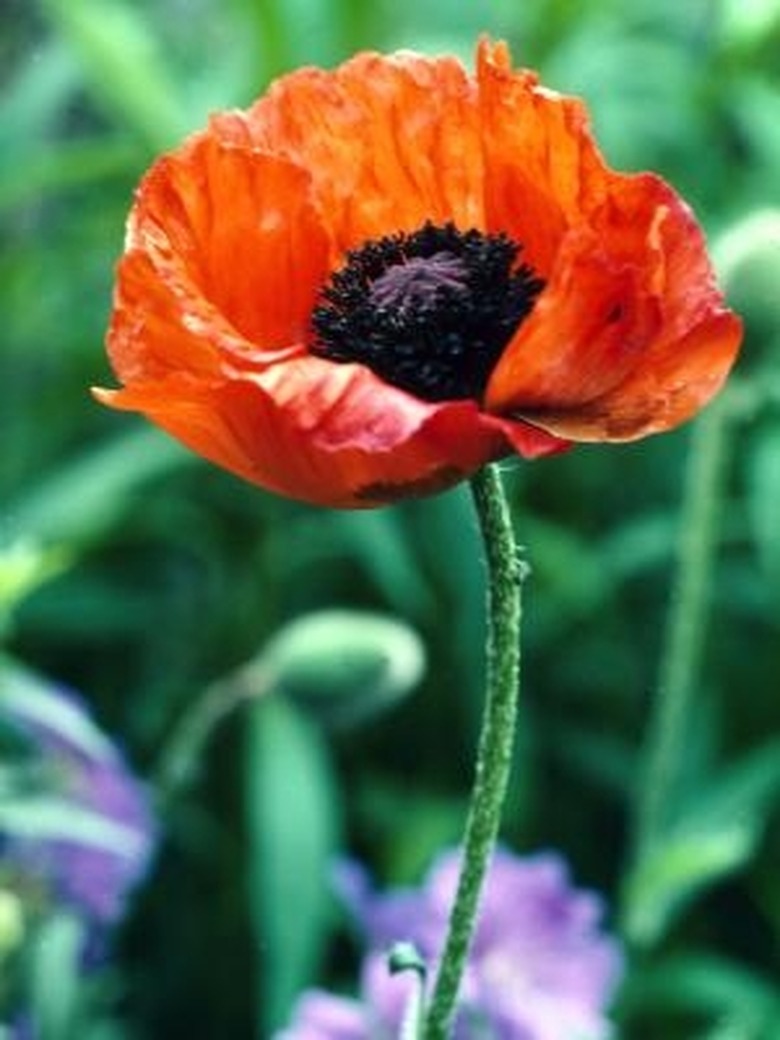
Poppies are some of the most popular and recognizable wildflowers. Their huge red, pink, orange and white blooms can reach 6 inches across on stems some 4 feet tall. Poppies are most striking when planted in a backdrop of evergreens or with darkly colored blossoms such as coneflowers. They are extremely hardy plants that stay in full bloom from late spring to summer and require very little maintenance. With the proper care, poppies will come back stronger year after year.
Step 1
Plant your poppies 2 to 3 feet apart to allow for ample room to grow. Be sure all flowers have access to 6 or more hours of sunshine each day.
- Poppies are some of the most popular and recognizable wildflowers.
- They are extremely hardy plants that stay in full bloom from late spring to summer and require very little maintenance.
Step 2
Spread a layer of compost 1 to 2 inches deep in early spring to provide essential nutrients for growth.
Step 3
Add a 2-inch layer of mulch on top of the compost to aid in soil moisture retention and prevent an onslaught of weeds.
Step 4
Thoroughly water poppies 1 or 2 times per week during the blooming season. Poppies go into dormancy after blooming and should then only be watered during periods of drought.
Step 5
After the first winter frost, apply a layer of mulch 4 to 6 inches deep to protect and insulate the roots. Once spring arrives, gently remove the protective mulch and reapply compost.
Tip
When cutting poppies for display in vases, singe the end of the stem with a match to extend their life indoors. Large poppies may need to be tied to a wooden stake to stay upright.
Things Needed
- Mulch
- Compost

Step 1
Pull up all grass and weeds from the planting site and remove all rocks and debris.
Step 2
- Spread a layer of compost 1 to 2 inches deep in early spring to provide essential nutrients for growth.
- Add a 2-inch layer of mulch on top of the compost to aid in soil moisture retention and prevent an onslaught of weeds.
Step 3
Cultivate the soil, using a garden fork, to a depth of 8 to 12 inches.
Step 4
Broadcast the seeds on the surface of the soil. Cover them with fine soil to a depth of 1/8 inch and water just enough to moisten the soil. Be careful not to cover the seeds more deeply than recommended, because they will not germinate without sufficient heat and sunlight.
Step 5
Continue to moisten the soil anytime the top 1/2 inch of soil feels dry after seedlings emerge. Thin the young plants when they are 1 inch tall, leaving a space of 6 to 10 inches between each one. Once the plants are well-established, water only when more than a week has passed without rainfall.
Step 6
- Cultivate the soil, using a garden fork, to a depth of 8 to 12 inches.
- Thin the young plants when they are 1 inch tall, leaving a space of 6 to 10 inches between each one.
Step 7
Clip off any faded flowers, using pruning shears, to prolong the blooming cycle and to prevent reseeding — which will keep poppy seedlings from invading all areas of your yard or garden.
Step 1
Cut back the water you give your oriental poppies while they are dormant in the summer. Water only once every two weeks to once a month. When new growth appears in the fall, continue to water in this manner.
Step 2
Leave all new growth on the oriental poppy. Cut off any dried stems if you desire.
Step 3
Fertilize the ground around the oriental poppies in the fall. Add a layer of compost or manure and work it into the ground.
- Clip off any faded flowers, using pruning shears, to prolong the blooming cycle and to prevent reseeding — which will keep poppy seedlings from invading all areas of your yard or garden.
Step 4
Apply a 4-inch layer of mulch to the oriental poppies once the ground has frozen.
Step 5
Avoid watering your oriental poppies until the ground has thawed.
History
The Egyptians utilized the opium poppy for promoting sleep. The Greeks, who widely cultivated the poppy, named a town after the poppy. Mekonê means "poppy town."
Description
Carnation poppies achieve heights of up to 3 to 4 feet. Their full, frilly flowers range in colors from pinks to purple and flowers vary in size from 4 to 5 inches across.
- Apply a 4-inch layer of mulch to the oriental poppies once the ground has frozen.
Growing Considerations
Carnation poppies like full sun, with good drainage and fertile soil. They require regular watering and deadheading (removing the old blossoms) to ensure plentiful blooms.
Types
More varieties of the carnation poppy are the bombast rose peony, which has 5-inch blooms. The lilac pom-pom poppy is a frilly, baby pink poppy with 4.5-inch blooms.
Expert Insight
Germination time for carnation poppy seeds is typically 7 to 14 days. Carnation poppies are self-cultivating flowers. If blossoms are left to go to pod, they will distribute seeds that sprout the next spring.
- Carnation poppies like full sun, with good drainage and fertile soil.
- More varieties of the carnation poppy are the bombast rose peony, which has 5-inch blooms.
Step 1
In the spring, after all danger of frost has passed, prepare a a well-drained garden bed in full sun or partial shade. Lay a 3-inch layer of compost over the bed and till it in to a 6-inch depth to improve drainage.
Step 2
Sow seeds 8 inches apart in rows or clusters. Sow seeds on the soil surface and cover with ¼ inch of soil.
Step 3
Water the bed until it is evenly moist throughout. Wait for germination to occur, approximately five to seven days after the seeds are sown.
Step 4
Keep the soil moist with frequent light watering the first week after seedlings emerge. Gradually reduce watering until you are only watering deeply once a week, providing approximately 1 to 2 inches of water at one time.
- In the spring, after all danger of frost has passed, prepare a a well-drained garden bed in full sun or partial shade.
- Sow seeds on the soil surface and cover with ¼ inch of soil.
Step 5
Apply a 1-inch layer of organic mulch around the plants once they are 6 inches tall. Mulching preserves soil moisture and keeps the roots of the plants cool.
Tip
Always purchase seed from a reputable seed supplier or nursery as some varieties of poppy seeds are only viable for a short period of time. If you decide to try starting poppies inside, sow single seeds in plantable peat pots to avoid disturbing the roots. Start them four weeks before the last frost date. Many annual poppy varieties easily self seed, making sowing in future springs unnecessary.
Warning
Poppies are mildly drought-tolerant but they will not tolerate soil that is too wet, as this makes them susceptible to fungal diseases. Avoid soggy soil or standing water.
Things Needed
- Compost
- Hoe
- Mulch
Planting Time
Carnation poppies can be planted in the early spring or fall. The blooms will start when the weather warms in the late spring or early summer.
Space
Plant carnation poppies at least 24 inches apart to allow for the 12-inch width of healthy plants. The plants will grow to be as tall as 4 feet.
Climate
Plant your carnation poppies in full sun in climates that don't have high humidity levels. Though they like heat, they do best in dry heat. The poppies can be planted in USDA zones 7 through 11.
- Apply a 1-inch layer of organic mulch around the plants once they are 6 inches tall.
Seed Planting
When planting carnation poppy seeds, sow the seeds on the surface. This gives the seeds the light they need to germinate.
Deadhead
Deadhead poppies to prevent them reseeding if you don't want them growing again the following year. To deadhead, cut the dead flowers off the plant at the very base of the flower to prevent seeds from falling and re-sowing.