

Growing Brazil Nut Trees
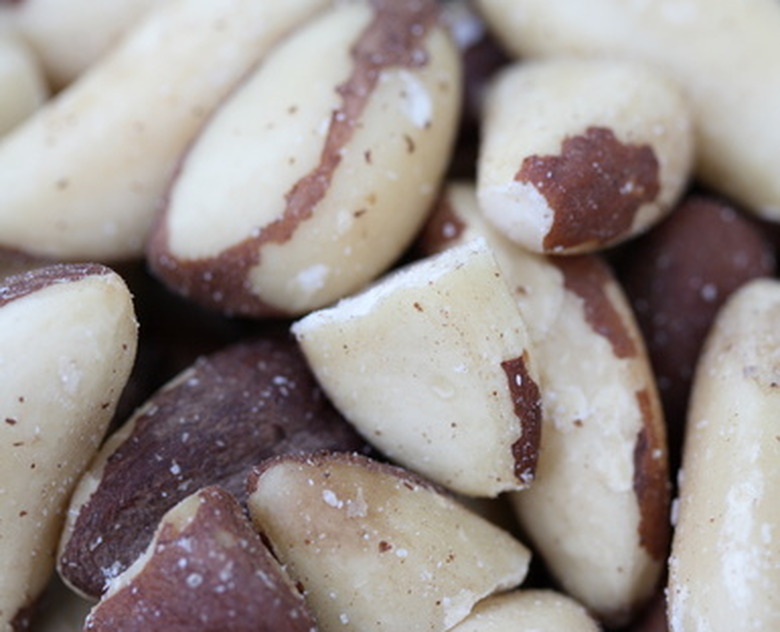
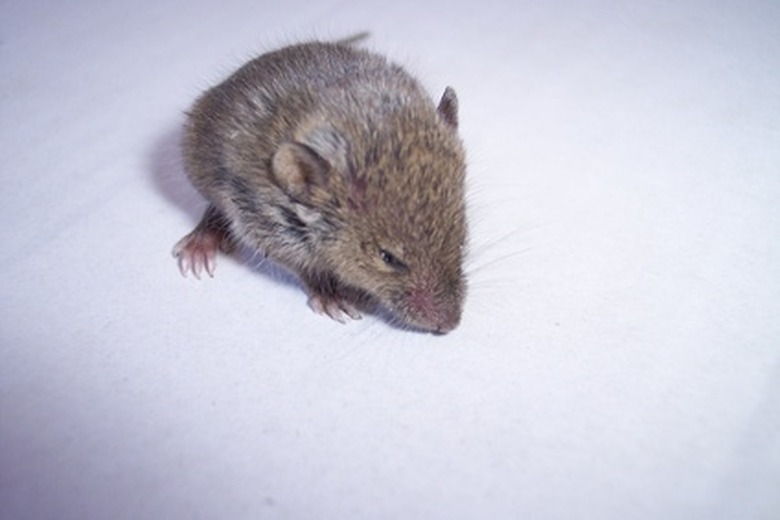
Brazil nut trees are exclusive to the Amazonian rain forests of South America. The process of growing a Brazil nut tree can require quite an investment of time and can take between 10 and 20 years to begin producing actual Brazil nuts. Brazil nut trees need to have a nearly perfect ecological setting in order to grow properly and produce the Brazil nuts which are highly sought after. In fact, an intricate balance is necessary between the tree, a species of bees, orchids and a certain type of rodent.
Growing a Brazil Nut Tree

Step 1
Locate a large undisturbed portion of Amazonian rain forest along the Amazonian River basin in South America, as the trees grow to be quite thick and over 100 feet tall.
Step 2
Locate a Brazil tree fruit, which resembles a cantaloupe, and crack it open to gain access to its seedlings.
Step 3
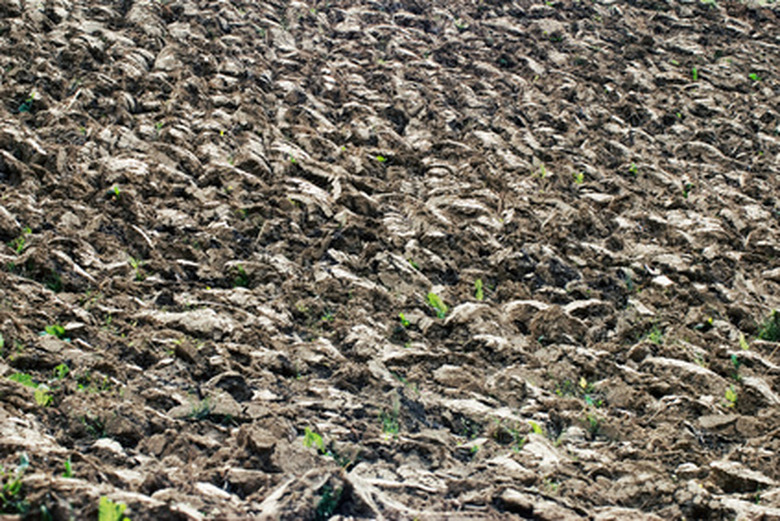
Plant the Brazil nut tree seedlings. Monitor the growth of the trees over the coming years to ensure an undisturbed ecosystem.
- Brazil nut trees are exclusive to the Amazonian rain forests of South America.
- Locate a large undisturbed portion of Amazonian rain forest along the Amazonian River basin in South America, as the trees grow to be quite thick and over 100 feet tall.
Step 4
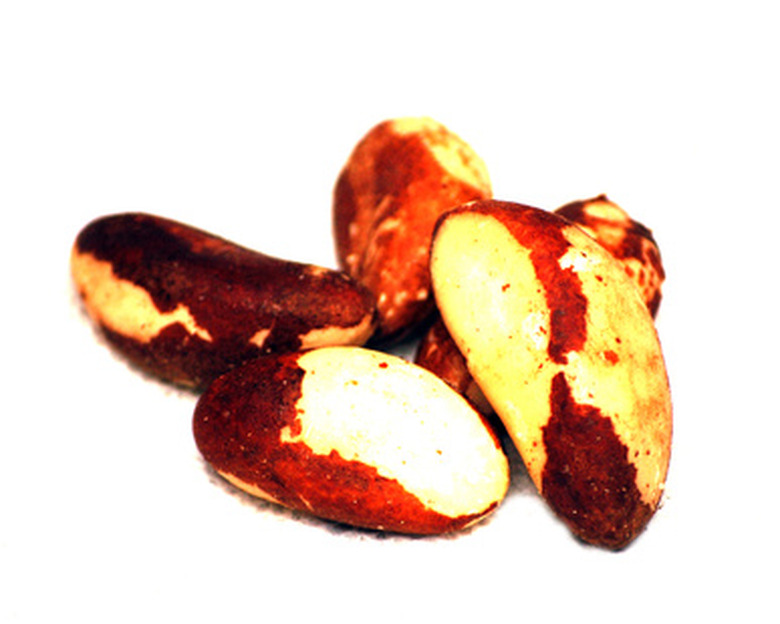
Introduce orchids near the tree once it begins to grow in order to attract a special species of "orchid bees" to naturally pollinate the tree and stimulate growth of the tree, its fruit and nuts.
Plant Brazil Nut Trees From Seeds
Of the many towering trees in the rain forest, the Brazil nut tree is one of the most intriguing. Brazil nut trees boast a height of approximately 160 feet, and when cultivated properly produces creamy white flowers and massive segmented fruits filled with edible nuts. Boiling kills the seed, making it impossible to sprout. Fill a large mason jar one third full with nuts still in husk, and cover for twenty four hours. Pour out the water and rinse the nuts. Prepare the planting site. Create a depression in the soil deep enough to cover the entire seed. A germinated seed will show signs of sprouting, while a failed germination will show mold in the jar. Once the tree develops a set of true leaves, move it to a larger, covered pot so it has room to grow.
- Introduce orchids near the tree once it begins to grow in order to attract a special species of "orchid bees" to naturally pollinate the tree and stimulate growth of the tree, its fruit and nuts.
- Once the tree develops a set of true leaves, move it to a larger, covered pot so it has room to grow.
Things Needed
- Undisturbed Amazonian rain forest area
- Brazil tree fruit
- Brazil nut tree seeds
- Orchids
- Orchid bees