

Facts About Plum Trees In North Georgia
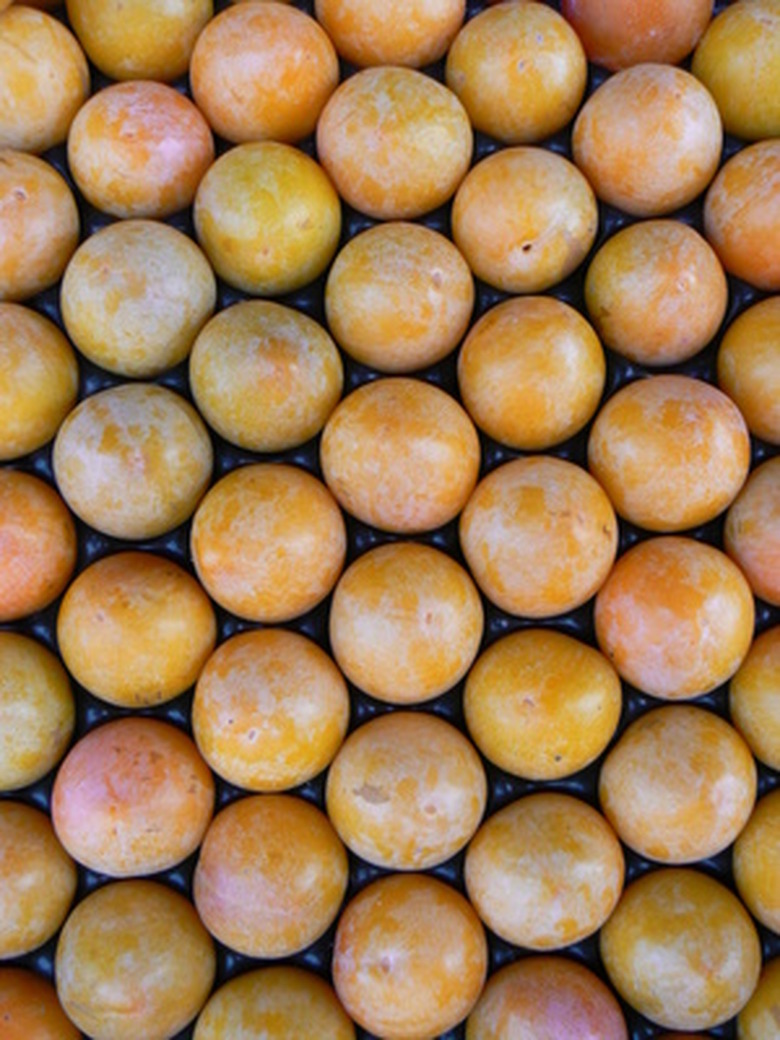
Nothing beats biting into a juicy, fresh plum right off of the tree. Thanks to northern Georgia's warm summers and mild winters, the area primarily falls into USDA hardiness zones seven and eight. Those zones are ideal for growing a variety of plum trees as long as the trees get planted in full sun. While it takes about five years for a plum tree to start bearing fruit, the wait seems worth it once the first mature plums are enjoyed right off the tree.
History
Plums existed as far back as Roman times where 300 varieties of European plums have been documented. Colonists brought them to America where they were successfully cultivated. Japanese plums trees originally come from China, but prospered when introduced in Japan in the 16th century. Japanese plum trees arrived in the United States in the late 1800s.
- Nothing beats biting into a juicy, fresh plum right off of the tree.
- Japanese plums trees originally come from China, but prospered when introduced in Japan in the 16th century.
Best Trees to Plant
North Georgia gardens in USDA hardiness zones seven or eight can easily grow plums. Japanese plum varieties seem to grow best including Methley, a sweet, early season plum variety or Morris, a firm commercial plum. For fresh eating, nothing beats Spring Satin, Byrongold, or Rubysweet plums. For gardeners who like to eat green plums, Bruce Six Weeks, Robutso or Segundo make great choices.
Description
Fragrant white or pink flowers along with foliage sporting narrow green leaves make plum trees a favorite in early spring. After the blossoms fade, green fruits begin appearing, growing until they're mature at about two to three inches wide. Plums mature at different times with most being ripe in late July through August.
- North Georgia gardens in USDA hardiness zones seven or eight can easily grow plums.
- Japanese plum varieties seem to grow best including Methley, a sweet, early season plum variety or Morris, a firm commercial plum.
Planting and Pollination
Plum trees grow best when planted in well-drained soil in a sunny location. Most varieties of plum trees tend to be sterile, meaning they cannot produce fruit without another tree with which to pollinate. This means gardeners need to plant two trees, or find a self-pollinating tree if garden space is at a premium. After the trees are planted, they require heavy pruning in the first year to create the shape of the tree.
Protection from Spring Frosts
Plum trees tend to bloom early, making them vulnerable to late spring frosts. Planting plum trees in the highest areas of the yard where drainage of cold air can move into lower areas helps protect the tree. Some gardeners keep outdoor Christmas lights on their plum trees to protect them from frost.
- Plum trees grow best when planted in well-drained soil in a sunny location.
- This means gardeners need to plant two trees, or find a self-pollinating tree if garden space is at a premium.
Uses
Plums provide a delicious fruit right off the trees. They also work well in a variety of baked goods such as in pies, crumbles, cakes and cobblers. Plums also make great jams and jellies as well as plum pudding and sauces. Unfortunately, thanks to their lower sugar content, Japanese plums don't make very tasty dried fruit.