

Lupine
Step 1
Old-fashioned lupines, or Lupinus arboreus, are easy to grow. Established plants can be expected to produce large, showy spikes that emerge in early summer for years to come. They're tall and impressive, and attain a mature size of up to 3 feet tall and 3 feet wide. Nearly carefree, lupines will benefit from a little pruning during the growing season.
Step 1
Deadhead lupine flowers as they fade. This will encourage a second flush of blooms later in the season. Use sharp, clean shears or clippers to cut the spent flower stalk back to the first set of healthy leaves directly below the flower.
- Old-fashioned lupines, or Lupinus arboreus, are easy to grow.
- Nearly carefree, lupines will benefit from a little pruning during the growing season.
Step 2
Choose a blooming stalk on each plant to be allowed to remain for seed production, if you wish. These plants will easily reseed themselves from spent flowers left on the plants.
Step 3
Use sharp, clean pruning shears or clippers to cut the entire lupine plant back by one-half in early spring.
Step 4
Continue watering lupine plants until they begin to die back in midsummer. This will prolong the lush appearance of the foliage.
Step 5
Take stem cuttings in late summer when the weather begins to cool, if desired.
Step 1
Choose a planting site with good drainage and in full sun.
- Choose a blooming stalk on each plant to be allowed to remain for seed production, if you wish.
- Take stem cuttings in late summer when the weather begins to cool, if desired.
Step 2
Prepare the soil by amending it with a coarse media like sand–lupines thrive in well-textured soil. Till the soil to make it loose and provide room for the roots to spread.
Step 3
Use a file to create a divot on the surface of each seed. This is called scarification, the process of penetrating the seed coat for faster germination.
Step 4
Plant seeds in early spring, 3/4 of an inch to 1 3/4 inches deep. Mature plants can grow up to 2 feet across, so allow 7 to 10 inches between seeds. Germination should occur in a few weeks with consistent temperatures from 65 to 70 degrees F.
- Prepare the soil by amending it with a coarse media like sand–lupines thrive in well-textured soil.
Step 5
Keep the soil moist while the seedlings establish themselves.
Step 6
Cut back the stalks after the first set of flowers appear, typically in the first half of the growing season.
Step 7
Allow the plant to drop seeds in the fall before cutting back foliage for the winter. Lupines will establish and return every year by self-seeding.
Range
Lupin grows native to cooler climates in North America, Europe and Asia. Some varieties are cultivated in warmer climates but most lupins do not like hot, humid conditions.
Description
The leaves are green and contain nine to 16, one- to two-inch-long leaflets attached at a central point. The overall plant height can be from one to two feet tall.
- Keep the soil moist while the seedlings establish themselves.
Flowers
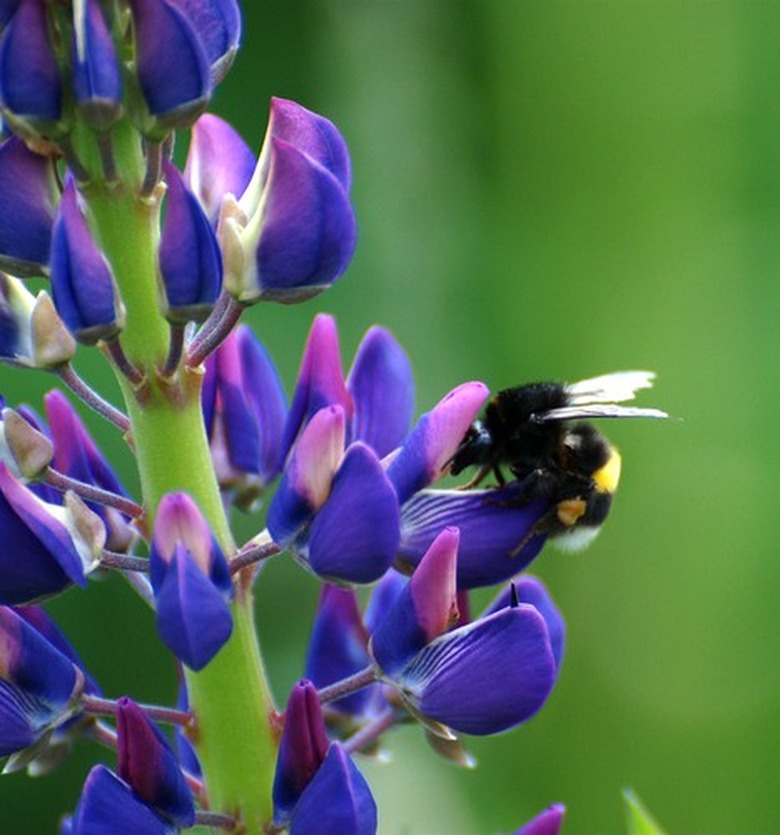
The multiple flowers are about 1/2 inch wide and are borne on long, conical-shaped racemes. Flower color is usually blue, purple or white, but red, yellow and pink varieties have been created.
Care
They like full sun to part shade and slightly acidic soil that gets a chance to dry out. They are not picky about soil type or fertilizer. They do best in USDA zones 4 through 6.
Uses
Studies have shown potential for lupin seeds to be harvested as an alternate crop to soybeans to be used for animal feed. Gardeners use them in perennial flower beds, borders and woodland garden settings.
- The multiple flowers are about 1/2 inch wide and are borne on long, conical-shaped racemes.
- Gardeners use them in perennial flower beds, borders and woodland garden settings.
Step 1
Cut the lupine flowers when they are at their peak. Choose healthy stems with undamaged petals.
Step 2
Remove the leaves from the lupine flower stalk. Leaves dry dark and have a tendency to crumble, so removal beforehand keeps the flower looking its best.
Step 3
Tie an 8 to 10 inch length of string or yarn around the stem of each flower stalk, one stalk per string. Tie a loop in the other end of the string to hang it by.
Step 4
Hang the lupines upside down in a dark, dry place such as a pantry or closet. Hang them so the lupines aren't touching each other or a wall, as this may damage them during drying.
- Cut the lupine flowers when they are at their peak.
- Hang them so the lupines aren't touching each other or a wall, as this may damage them during drying.
Step 5
Allow the lupine to dry for two to three weeks. When the petals and stems feel hard and dry they are ready to use in your projects.
Tip
Tie the strings around the bottom bar on a coat hanger and hang the hanger from a closet rod to dry. Just make sure it doesn't touch any clothing. Preservative sprays for dried flowers are available at craft stores. These help preserve your dried flowers for years to come.
Warning
If the flowers are not used in a project right away, store them an airtight container to protect them from insects and damage.
Things Needed
- Garden clippers
- String
Step 1
Choose an area of your yard or garden that receives full sun to partial shade most of the day. Make sure that the soil in the chosen location is well-drained, as fungal disease can be a problem if lupine plants remain too moist.
Step 2
Use a garden rake to loosen the soil. Remove any rocks that you may find and discard. Sow the seeds liberally and cover with a 1/8-inch layer of soil. Be cautious not to cover more deeply than recommended because lupine seeds will not germinate without sufficient sunlight.
- Allow the lupine to dry for two to three weeks.
- Make sure that the soil in the chosen location is well-drained, as fungal disease can be a problem if lupine plants remain too moist.
Step 3
Water the seeds until the soil is damp, but not soggy. Continue to water whenever there is not enough rainfall to keep the soil moist.
Step 4
Thin the seedlings when they emerge, leaving 18 to 24 inches between each plant. Continue to water the lupine whenever rainfall slows and the top inch of soil is dry to the touch.
Step 5
Fertilize with a general purpose fertilizer once each month. Stop fertilizing after lupine has ceased blooming for the season.
Step 6
Clip off faded flowers to encourage a new wave of blooms in late summer.
- Water the seeds until the soil is damp, but not soggy.
- Continue to water the lupine whenever rainfall slows and the top inch of soil is dry to the touch.
Tip
It can take up to three weeks for the first seedlings to appear. Lupine is very attractive in cut flower arrangements. Lupines do not usually do well after being transplanted.
Warning
Many varieties of lupine are poisonous, so be cautious if you have young children or pets.
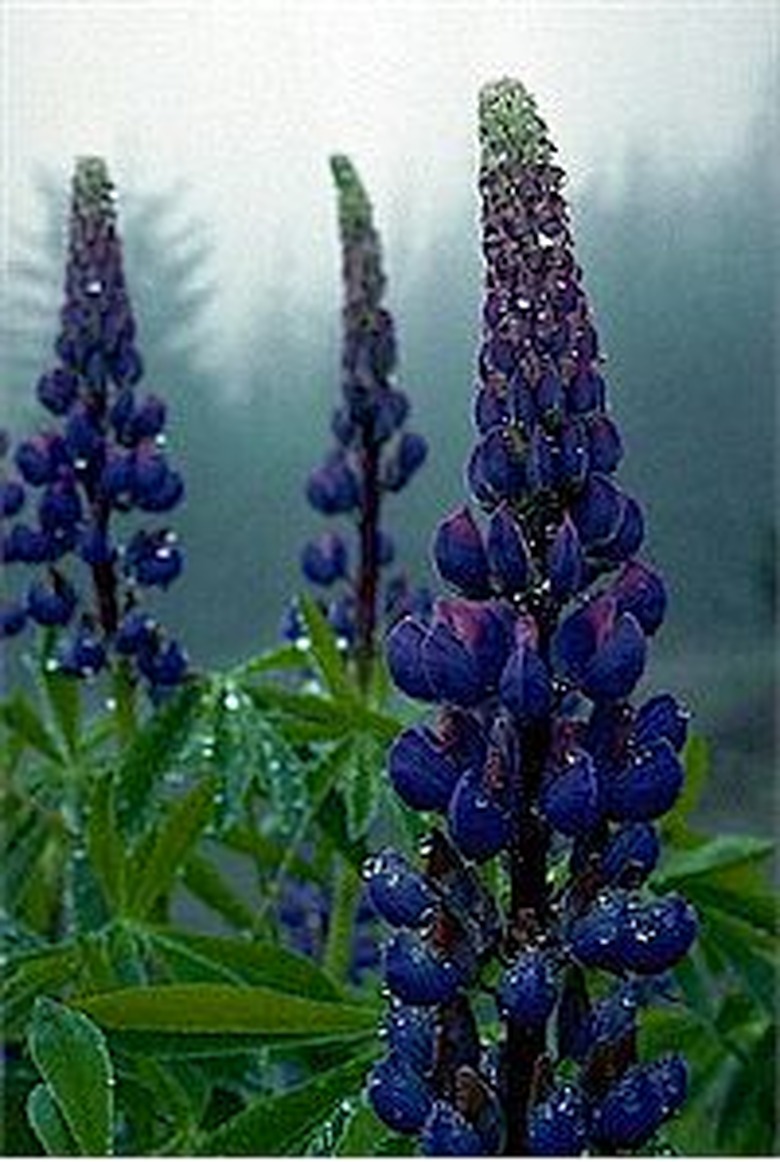
Blue Lupine

Lupine 'Russell Mix'
**Perennial Lupine
Russel Mix or Blue** (Lupinus Perennis)
Buy Bulk Seeds and Save!
Lupine is dramatic when planted in mass, but also looks good scattered. This wild flower takes a while to establish unless you have sandy soil, but it is worth the wait. Makes a beautiful meadow flower and mixes well with other flowers. Presoaking seed can quicken the germination period.
- Blue Lupine
Lupine 'Russell Mix' **Perennial Lupine
Russel Mix or Blue** (Lupinus Perennis)
Buy Bulk Seeds and Save! - This wild flower takes a while to establish unless you have sandy soil, but it is worth the wait.
Type:** Perennial (Plant in fall and grow as an annual in warm southern climates.)
**Height:** 2 – 3 feet
**Bloom Time:** Spring/Summer
**Exposure:** Sun
Step 1
Plan to sow your lupine seeds in the spring, after all threat of frost has passed.
Step 2
Plant in a site that receives full sunlight.
Step 3
Loosen the soil with a pitchfork to a depth of 6 inches. Remove sticks, rocks and other debris. Add 1/2 gallon of sand and 1/2 gallon of compost to the soil and mix thoroughly if the soil is wet clay.
- Type:** Perennial (Plant in fall and grow as an annual in warm southern climates. )
- Add 1/2 gallon of sand and 1/2 gallon of compost to the soil and mix thoroughly if the soil is wet clay.
Step 4
Soak the lupine seeds in a bowl of water for 24 hours before planting.
Step 5
Make 1 to 2 inch deep holes in the soil by hand or with a garden trowel. Space the holes 8 to 10 inches apart.
Step 6
Place a seed into each hole and cover it with soil.
Step 7
Water the growing site until it is thoroughly moist, not soggy. Mist the area every two to three days.
Step 8
Apply a general all-purpose plant fertilizer to the growing site once the seedlings are four weeks old. Repeat at eight weeks. Follow the dosage instructions on the manufacturer's label.
- Soak the lupine seeds in a bowl of water for 24 hours before planting.
- Place a seed into each hole and cover it with soil.
Step 9
Clip the flower stems completely back once the blooms fade to encourage further growth.
Step 10
Avoid cutting back the foliage in the fall until after the plant's seeds have dropped.
Tip
Wild lupine can be planted in the fall. If you opt for fall planting, do not soak the seeds before sowing.