

List Of Hydroponic Plants
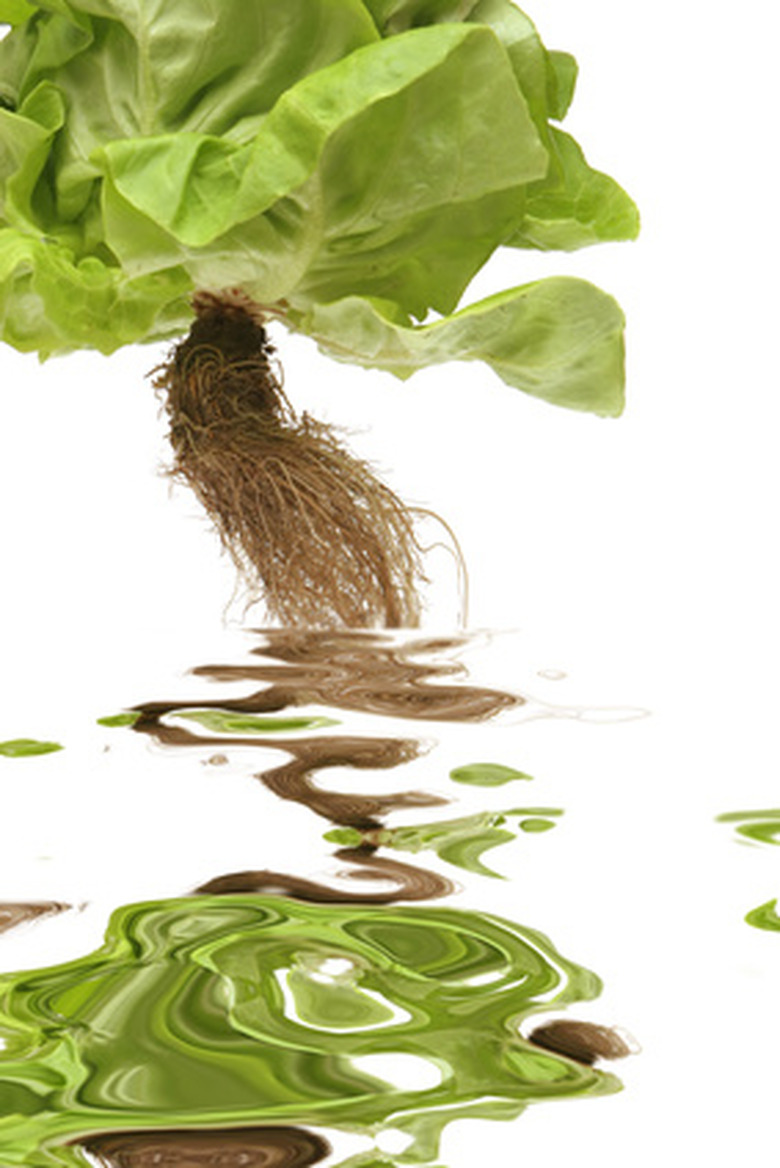
Using hydroponic systems makes herb, flower and vegetable gardening accessible to many people. This growing method uses no soil and relies on dissolved nutrient solutions, lighting, temperature control and air flow to grow plants in relatively small spaces. Hydroponics eliminates worry about soil-borne diseases and most vegetables are amenable to hydroponic growing. Plants with similar nutritional needs can be placed on one system and you can run different systems simultaneously within the same space.
Basil, Lettuce and Spinach
Basil, lettuce and spinach are examples of plants that have similar needs and can be put on the same system. You can harvest spinach and lettuce in small quantities or by taking the whole plant. While you can grow head lettuce in a hydroponic system, leaf lettuce fares much better. Basil plants must be replaced after three to four months. Ensure a steady supply of lettuce and spinach by seeding every few days.
- Using hydroponic systems makes herb, flower and vegetable gardening accessible to many people.
- While you can grow head lettuce in a hydroponic system, leaf lettuce fares much better.
Cucumbers, Tomatoes and Peppers
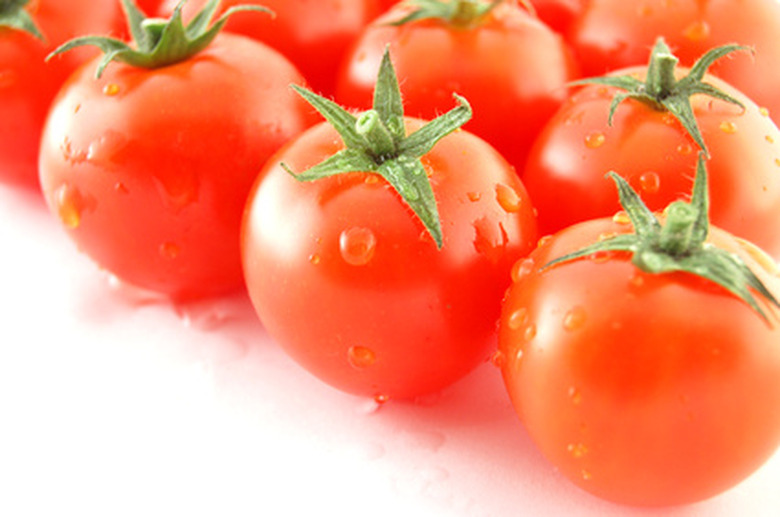
Cucumbers, tomatoes and peppers are another trio of plants with similar requirements, including substantial exposure to light. Tomatoes and cucumbers also need a strong framework to support the vines and fruit. Hot and sweet peppers are conducive to hydroponic growing. Several indeterminate tomato varieties have been developed for hydroponic gardening, although they can be costly. When choosing tomato seed, ensure it has been treated for resistance to fusarium wilt, verticillium wilt, mosaic virus and nematodes.
Strawberries
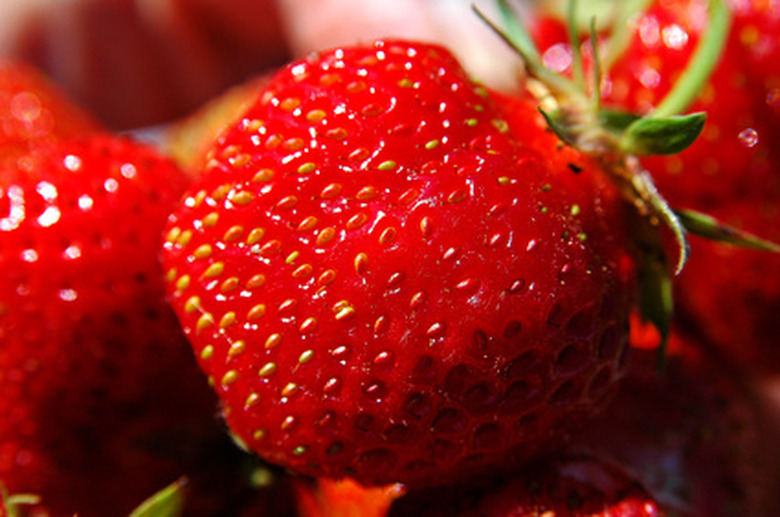
While you can grow strawberries hydroponically, they are more sensitive to their environment than other plants. The foliage of the strawberry plant attracts insects and spiders and the plants can get powdery mildew. Prior to placing strawberry plants in a hydroponic system, wash the roots to remove all traces of soil and other debris and examine the plant for disease and pests. To bear fruit, strawberry plants must be chilled for six to seven weeks. You can do this by placing the plants in a refrigerator.
- Cucumbers, tomatoes and peppers are another trio of plants with similar requirements, including substantial exposure to light.
- Prior to placing strawberry plants in a hydroponic system, wash the roots to remove all traces of soil and other debris and examine the plant for disease and pests.
Other Plants
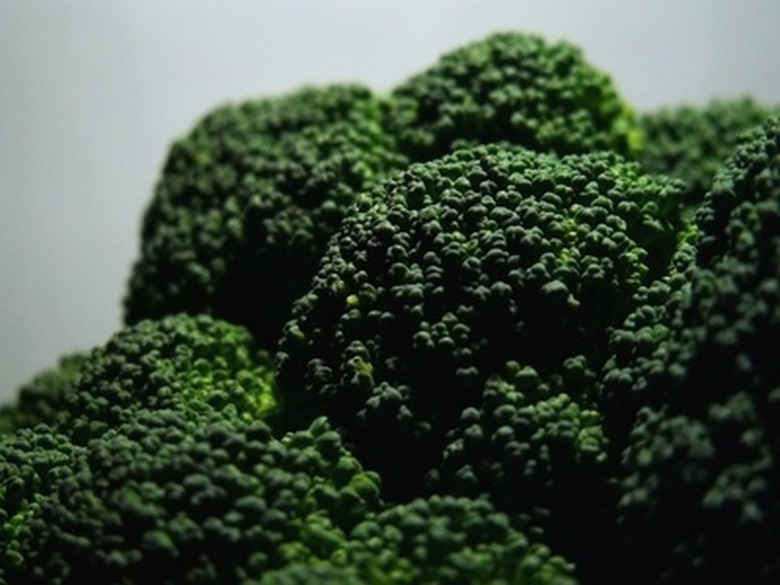
You can grow beans and peas on the same system and both have medium to high requirements for exposure to light. Pole beans will need a trellis support, as do peas. Broccoli, cabbage and cauliflower are also suitable hydroponic companions since they all prefer cool temperatures; however, cabbage has slightly lower light requirements than broccoli and cauliflower. Beets, carrots, leeks and radishes have similar growing needs but require a bit more room.
Pollination
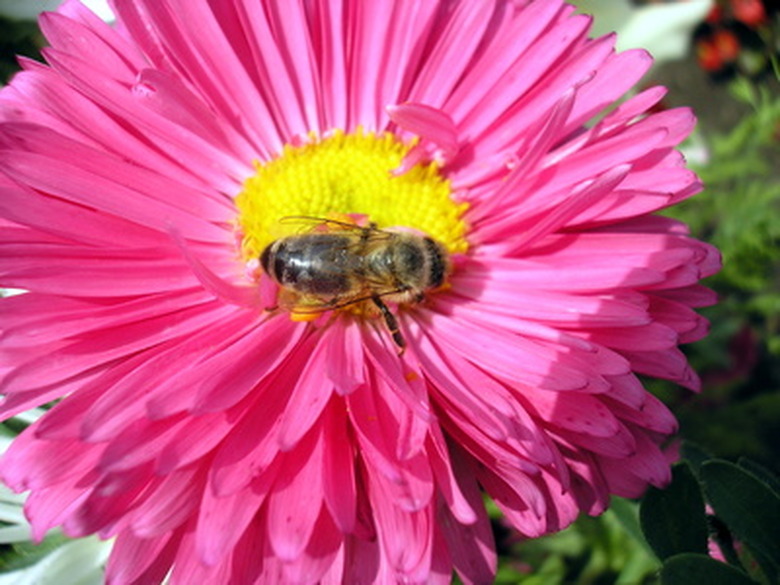
Hand-pollinate plants that are usually pollinated by insects and wind by using a special wand made for this purpose. If you have a large hydroponic greenhouse, place a specialized beehive in the structure. Hydroponic varieties of cucumbers tend to be self-pollinating, so these plants require no additional pollination.
- You can grow beans and peas on the same system and both have medium to high requirements for exposure to light.
- Hydroponic varieties of cucumbers tend to be self-pollinating, so these plants require no additional pollination.