

Definition Of Border Landscape
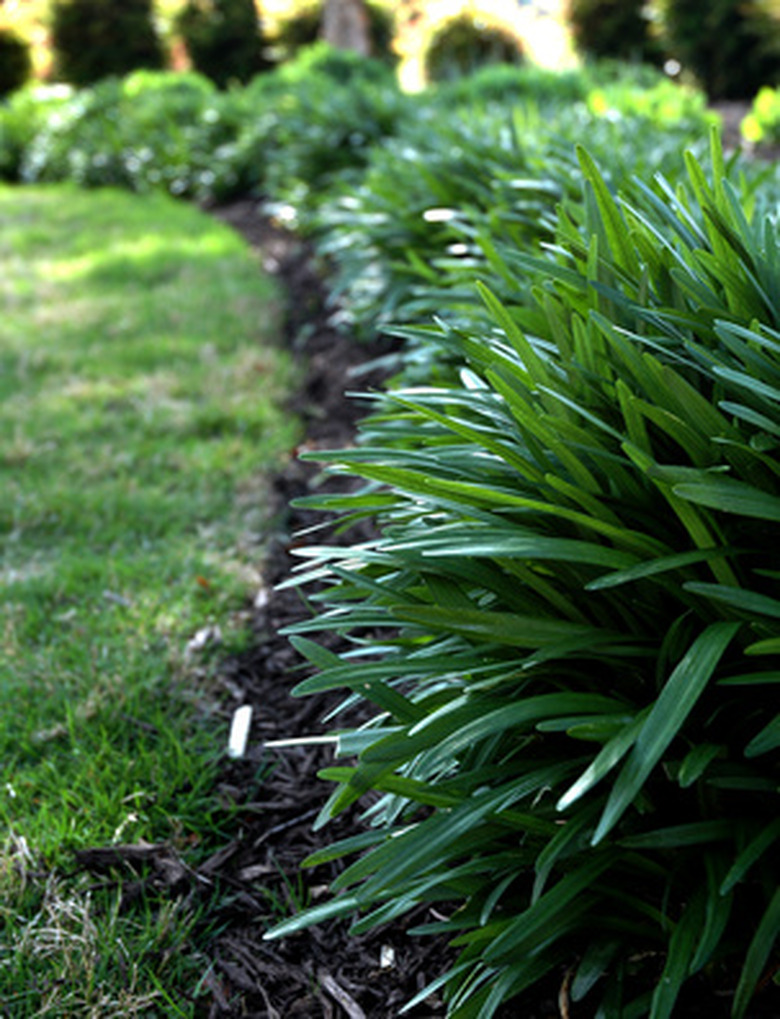
Landscape borders are designed to add beauty to the edges of your property or yard. Creating a border along a fence, driveway, walkway or other boundary creates a clean and intentional appearance that not only you can enjoy, but that neighbors and guests will appreciate as well.
Function
Besides adding beauty to your property, landscaped borders also serve many practical purposes. By installing a border along a fence, for example, you cut down on the size of your lawn, minimizing mowing and line trimming. Landscape borders can also serve as property line markers, and in general, give the appearance of a home and property that is well-maintained.
Types
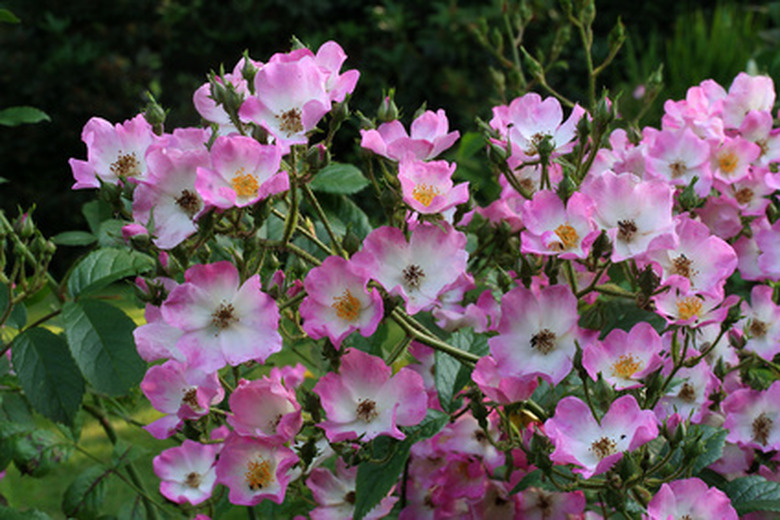
The easiest landscape border to create consists of one plant variety, usually a shrub or small tree. These are called homogeneous borders. Some examples of plants that might make up a homogeneous border are boxwoods or a hedge of cypress trees. Roses can also create a homogeneous border and have the added benefit of blooms to provide a splash of color.
- Landscape borders are designed to add beauty to the edges of your property or yard.
- Landscape borders can also serve as property line markers, and in general, give the appearance of a home and property that is well-maintained.
Mixed landscape borders are quite popular because they consist of a variety of plants, colors, textures and blooming times. Mixed borders can be a combination of perennials and annuals, shrubs and flowers, edible and nonedible plants.
Considerations
When designing your landscape border there are several things to consider. How much space do you actually have to work with? Measure both the depth of your border and consider the height you'd like it to reach. When selecting plants you want to be certain that when they mature they will not be too big for your space. Note the amount of sun the border will get, and at what time of day. This will help you determine what plants may grow well in the area. Be certain you know whether the soil has good or poor drainage. As with most gardening projects, you want to take the time to create healthy soil before doing any planting.
- Mixed landscape borders are quite popular because they consist of a variety of plants, colors, textures and blooming times.
- As with most gardening projects, you want to take the time to create healthy soil before doing any planting.
Landscaping Layers
To create a landscape border that looks full as well as interesting and beautiful, think about planting in layers. Place taller shrubs and small trees toward the back of the border and work your way forward with smaller plants. A planting of bulbs at the front of the border will provide early spring color. You can also stagger the bloom times for various plants for continuous color throughout the year.
Wildlife
Landscape borders can serve as habitat for a variety of wildlife. If you want to attract birds, butterflies, hummingbirds or other wildlife to your border, remember to choose plants inviting to those species. By placing flowering perennials and annuals among shrubs and small trees, wildlife visiting your border will have both a place to feed and a safe place to hide.
- To create a landscape border that looks full as well as interesting and beautiful, think about planting in layers.
- By placing flowering perennials and annuals among shrubs and small trees, wildlife visiting your border will have both a place to feed and a safe place to hide.