

How To Get Rid Of Crabgrass Forever
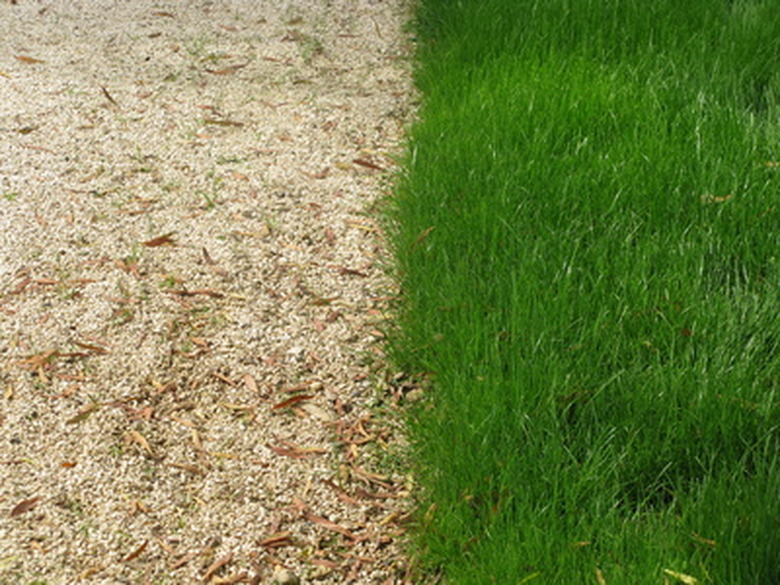
Turf grasses like Bermuda and St. Augustine provide lush green growth for children and pets to play on, with fairly set maintenance and care needs. Grasses like crabgrass, however, invade those lawns and can choke out the turf grass if they go to seed. If you notice crabgrass in your lawn, start by raking, reseeding with turf grass, then keeping your grass cut long.
Step 1
Water your lawn to soften the ground, then rake it thoroughly. Focus on areas that have the low, matted growth of crabgrass. Turf grasses grow straight up from their roots, while crabgrass runs along the ground and puts down frequent roots at grass joints. The raking will leave turf grass intact but pull up any crabgrass.
- Turf grasses like Bermuda and St. Augustine provide lush green growth for children and pets to play on, with fairly set maintenance and care needs.
- Grasses like crabgrass, however, invade those lawns and can choke out the turf grass if they go to seed.
Step 2
Cut your lawn with a grass catcher on the mower, which will gather the newly loosened shoots of crabgrass but leave turf grass rooted in the ground. Empty the catch bag into a plastic bag and throw it out to keep the crabgrass seeds from spreading.
Step 3
Pick any remaining crabgrass stems and roots from your yard by hand and throw them away. Spread compost and topsoil on any bare spots in the lawn and reseed these areas with lawn grass to choke out any remaining crabgrass. Always keep your lawn grass at 2 to 3 inches, even after mowing. Crabgrass can't grow in the shade and will never take root in lawns with longer grass.
Crabgrass?
Digitaria, commonly known as crabgrass, is a genus of approximately 220 species of annual grasses. Their growth pattern is low and flat; therefore, a patch of crabgrass chokes out other more desirable grasses or plants. New seeds lie dormant during the winter and begin a new growth cycle the following spring. If you already have crabgrass growing in your lawn, apply a post-emergent herbicide to kill the plants. You can prevent crabgrass from growing by maintaining a thick, healthy lawn. * Crabgrass needs a lot of light to germinate, so other thick, long grasses will shade the soil and prevent crabgrass seeds from germinating. A newly seeded or sodded lawn should be watered in more frequent intervals with lighter volume.
* Fertilize your lawn at least once a year.
Don't confuse crabgrass with other noxious grasses, such as quack grass and foxtail.
- Cut your lawn with a grass catcher on the mower, which will gather the newly loosened shoots of crabgrass but leave turf grass rooted in the ground.
- A newly seeded or sodded lawn should be watered in more frequent intervals with lighter volume.
* Fertilize your lawn at least once a year.
Don't confuse crabgrass with other noxious grasses, such as quack grass and foxtail.
Things Needed
- Rake
- Lawnmower with grass catcher
- Grass seed
- Compost
- Topsoil