

How To Fertilize An Elephant Ear
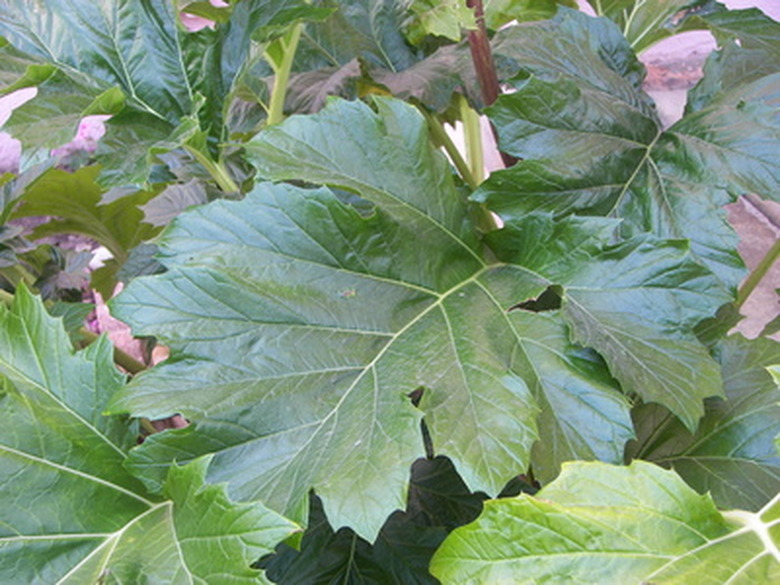
The elephant ear plant (Colocasia esculenta) grows in tropical and subtropical areas. They can be grown in northern regions but the plants will need to be dug up to store or moved indoors in a container during the winter. There are several varieties of elephant ear plants available. The plants grow from large tubers which look similar to a potato. Elephant ears are often considered to be a wetland plant. A few varieties can successfully be grown in water but most species enjoy moist soil without waterlogged roots. The elephant ear is a heavy feeder and requires a regular fertilizing schedule to thrive.
- The elephant ear plant (Colocasia esculenta) grows in tropical and subtropical areas.
- They can be grown in northern regions but the plants will need to be dug up to store or moved indoors in a container during the winter.
Step 1
Fertilize the elephant ear plant every month in the spring, summer and early fall using a 20-20-20 water-soluble fertilizer. Apply the fertilizer according to the directions on the fertilizer label.
Step 2
Watch for yellow leaves on the elephant plant. If the new leaves emerge with a slightly yellowish tint apply Epsom salt (magnesium sulfate) to the elephant ear plant. Mix 1/8 cup Epsom salt per one gallon of water and pour around the elephant ear plant. If the elephant ear plant is grown in a container, apply the Epsom salt and water along the edges of the planter.
Step 3
Work humus into the soil surrounding the elephant plant once a month to add valuable, natural fertilizer nutrients to the fertilizer. Use bark chips, decaying leaves or peat moss. Apply 2 to 3 inches to the topsoil as a mulch and also work the humus into the soil using a simple garden trowel. Do not dig too deeply or you will disturb the elephant plant's roots. Work up 1 inch of soil and then apply the humus material. Water thoroughly. The humus works as a mulch to help the plant retain water and prevent weed growth. Humus also adds nutrients to the soil.
- Fertilize the elephant ear plant every month in the spring, summer and early fall using a 20-20-20 water-soluble fertilizer.
- Apply 2 to 3 inches to the topsoil as a mulch and also work the humus into the soil using a simple garden trowel.
Warning
All parts of many elephant ear plants are toxic if consumed by humans or animals.
Things Needed
- 20-20-20 water-soluble fertilizer
- Epsom salt
- Garden trowel
- Mulch/humus