

Which Flowers Types Attracts Snakes?
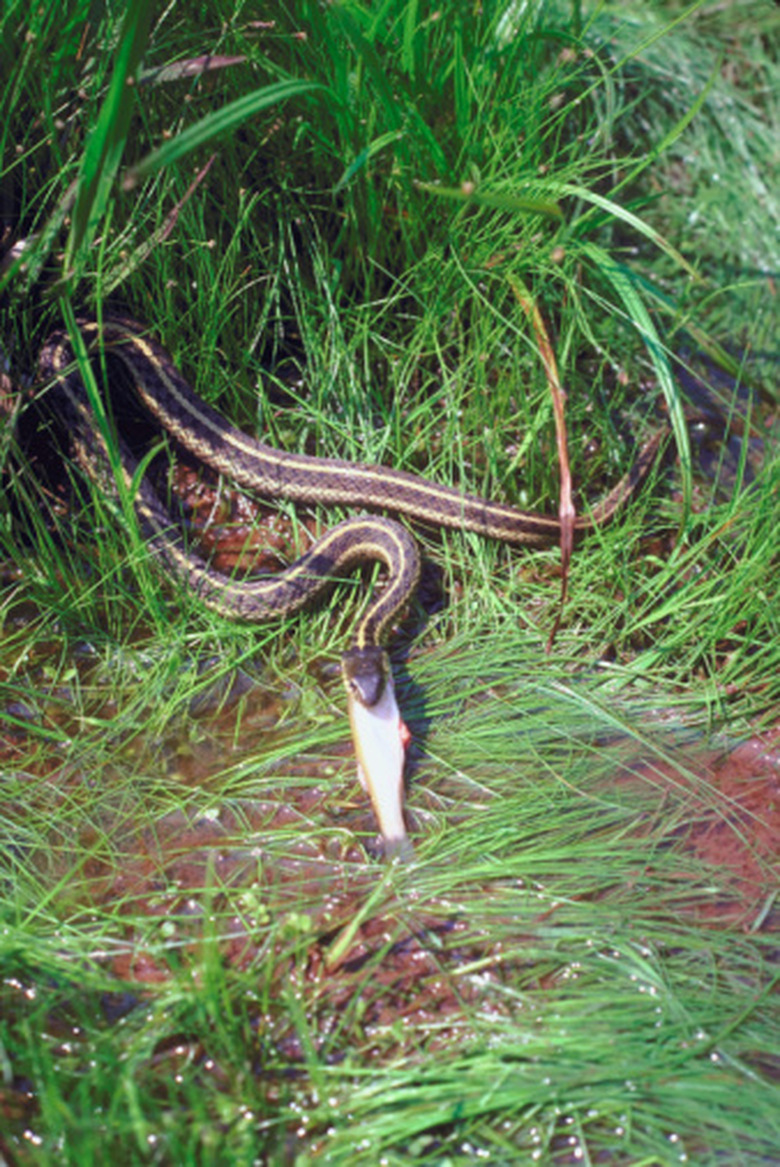
Snakes often bask in flower gardens, although they're more attracted to the habitat and food sources a flower garden provides than to specific flowers. To attract beneficial garden snakes, provide them with a pile of rock and rubble at the edge of your flower garden, according to the Clemson University Cooperative Extension. Low flowering plants and groundcover offer protection for snakes and other wildlife.
Background
The most inviting flowers for snakes include groundcover, low vines, creepers such as myrtle and other low flowering plants that provide cover and hunting grounds. Plants that attract potential snake food such as lizards and that provide shade for snakes to cool themselves are also appealing, according to the Lady Bird Johnson Wildflower Center. For example, a thick growth of jasmine, rosemary, morning glory, or any flowerbed or plant located underneath a bird feeder, provides a potential snake habitat.
Snakes
Snakes benefit the garden by eating slugs and rodents. But they may also consume helpful garden creatures such as lizards, frogs and toads. Snakes need safe places to hide and nest, and enjoy flat rocks for sunning. Green snakes and garter snakes are nonpoisonous. If you live in an area with rattlesnakes, copperheads, cottonmouths or other venomous snakes, you may want to clear brush, groundcover, low vines and rock piles to discourage snakes from taking up residence in your yard and flower garden.
- Snakes often bask in flower gardens, although they're more attracted to the habitat and food sources a flower garden provides than to specific flowers.
- If you live in an area with rattlesnakes, copperheads, cottonmouths or other venomous snakes, you may want to clear brush, groundcover, low vines and rock piles to discourage snakes from taking up residence in your yard and flower garden.
Attracting Snakes
Beds of clover, ground cover plants and flower bed plants that can shelter rodents and give snakes a cool place to rest offer a comfortable snake habitat. Bird feeders can attract chipmunks and mice, and having these animals in your garden attracts snakes. Flowerbeds with heavy mulch may be inviting to snakes. Woodpiles and brush piles provide other sources of shelter and protection for the reptiles. Raising a brush pile on rocks or a platform will slow down the process of decay.
Considerations
If you see an unfamiliar snake in your garden, pay attention to its coloring and any markings so you can identify it. If you live in an area with venomous snakes keep a snake bite kit in an accessible location such as a garden shed or outdoor storage bin. A snake bite kit includes a suction device for safely siphoning out venom.
- Beds of clover, ground cover plants and flower bed plants that can shelter rodents and give snakes a cool place to rest offer a comfortable snake habitat.
- Bird feeders can attract chipmunks and mice, and having these animals in your garden attracts snakes.
To encourage beneficial snakes, keep cats out of the garden, if possible.