

How To Get Rid Of Lawn Mice
Things Needed
- Lawn mower
- Dethatching machine
- Mouse traps
- Mouse poison
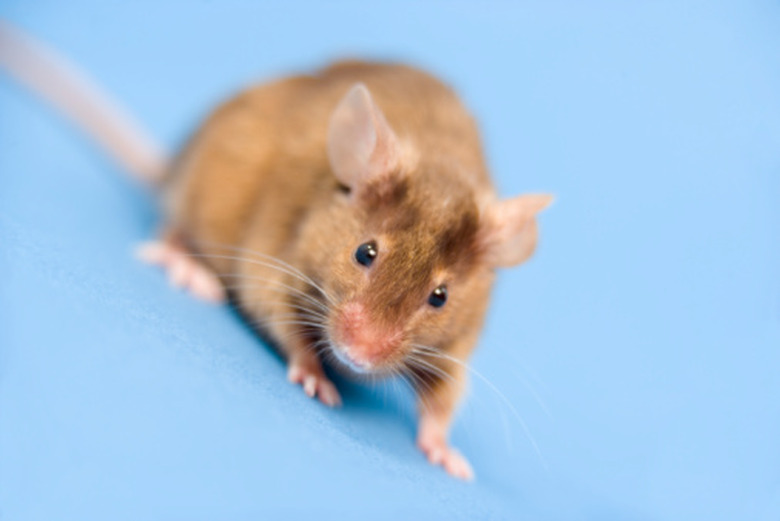
It seems that no matter where mice go, humans are trying to get rid of them, particularly when they show up in lawns. Also called field mice, lawn mice cause damage to vegetation and potentially put you and your animals at risk for developing disease, including parasites. Mice tend to hide in tall vegetation and come out at night. A few techniques and products can help to keep these tiny rodents out of your lawn and away from your home.
Step 1
Cut your grass short. Short grass doesn't provide mice with hiding spots like tall vegetation goes. If the mice can't hide in your lawn, they will look elsewhere.
- It seems that no matter where mice go, humans are trying to get rid of them, particularly when they show up in lawns.
Step 2
Remove the thatch from your lawn. Thatch is a layer of organic material that is found underneath the grass. Power-rake your grass to break up the thatch to make your lawn less attractive to the mice. Power-raking involves running a dethatching machine set on the highest level over your grass to create slices in the grass, which will break up the thatch. Thick and stubborn thatch sometimes requires dethatching for removal. Dethatching is similar to power-raking, but rips out holes in the grass rather than just creating slices. Once the thatch is gone, the lawn mice will likely look elsewhere to reside.
- Remove the thatch from your lawn.
- Power-raking involves running a dethatching machine set on the highest level over your grass to create slices in the grass, which will break up the thatch.
Step 3
Set mouse traps around burrow openings in your lawn. The borrow openings look like holes in the ground that are free of debris or dirt. Place the trap in front of the hole and bait it with peanut butter or chocolate. Use either live traps and relocate the mouse elsewhere when captured, or kill traps. Remove the dead mouse from the kill trap while wearing gloves and throw the body into a thick plastic bag. Throw the bag in your outside trash can.
Step 4
Place weather-proof mouse poison into the burrow. Wear gloves when handling the bait and only use this method if children and pets cannot reach the bait.
- Set mouse traps around burrow openings in your lawn.
- Place the trap in front of the hole and bait it with peanut butter or chocolate.
Tip
Remove bird feeders or other sources of food from your yard. Mice often eat the seeds in the feeders and will hang around because of the constant food source. Once the food disappears, the mice will follow suit.