

Deer Resistant Evergreen Ground Cover
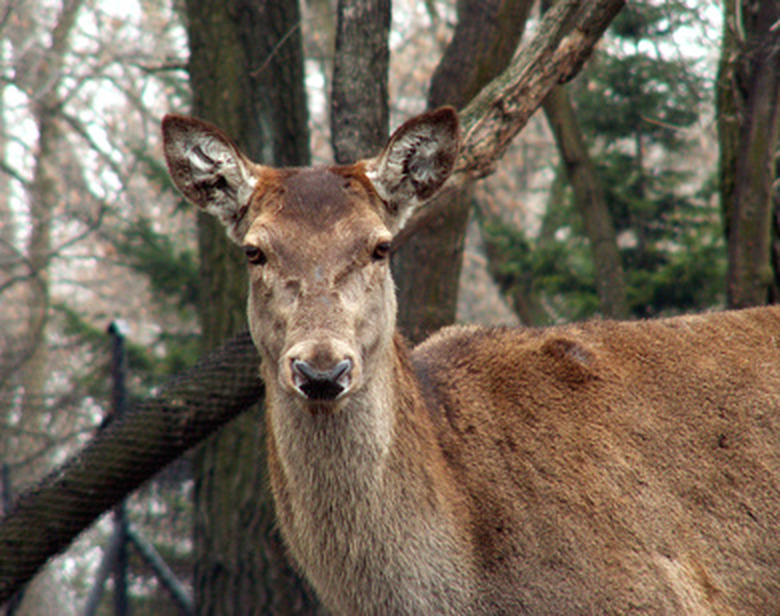
Gardeners rely on evergreen groundcovers to add low-maintenance texture and beauty to the landscape all year long. After the time and care it takes to establish your groundcover, there is nothing more frustrating than waking up to find your groundcover plants damaged by deer overnight. Planting deer-resistant evergreen groundcovers will help insure your garden doesn't turn into Bambi's favorite salad bar.
Common Bearberry
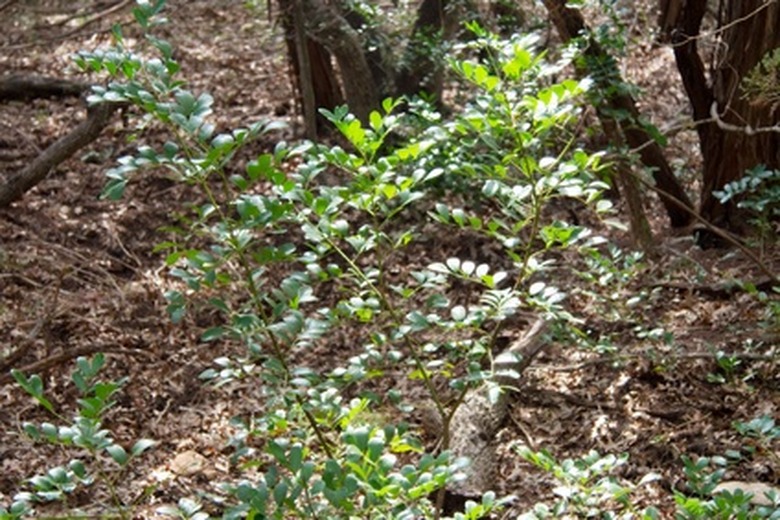
Common Bearberry (Arctostaphylos uvi-ursi) is a low-growing evergreen shrub with small glossy green leaves. Also known as kinnikinnick, this shrub is native to many parts of North America. Bearberry takes awhile to get started, but once established it forms dense spreading mats of green dotted with small, pinkish-white bell-shaped flowers in the spring. These are followed by red berries in early summer. Hardy in zones 2 to 6, Bearberry prefers relatively dry, poor, acidic soils and does well in full sun to part shade.
- Gardeners rely on evergreen groundcovers to add low-maintenance texture and beauty to the landscape all year long.
- Bearberry takes awhile to get started, but once established it forms dense spreading mats of green dotted with small, pinkish-white bell-shaped flowers in the spring.
Spreading Junipers
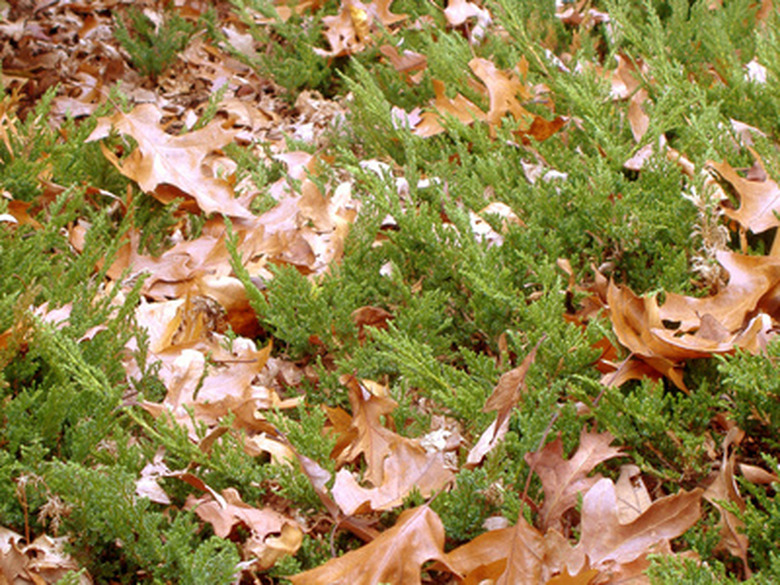
Junipers (Juniperus species) are fast-growing evergreen conifers that come in many forms and various shades of green to blue-green. Spreading varieties like "Blue Rug," "Pacific Blue" and "Creeping Juniper" make excellent groundcovers. Junipers thrive in areas with full sun. They need good drainage but generally tolerate poor soil. Spacing of junipers will depend on the species and variety, so pay attention to the expected spread when planting. Hardiness also varies depending on the species. Options are available for zones 3 to 9.
- Junipers (Juniperus species) are fast-growing evergreen conifers that come in many forms and various shades of green to blue-green.
- Spacing of junipers will depend on the species and variety, so pay attention to the expected spread when planting.
Creeping Wintergreen
A native to the United States, wintergreen is a hardy woodland evergreen groundcover that grows only 6 inches high and spreads 3 feet wide. In fall, wintergreen's glossy dark-green leaves turn brilliant red. Bright red berries persist through the winter. When crushed, wintergreen's leaves offer a delicious minty fragrance. Wintergreen is hardy in zones 3 through 8.
Boxwood
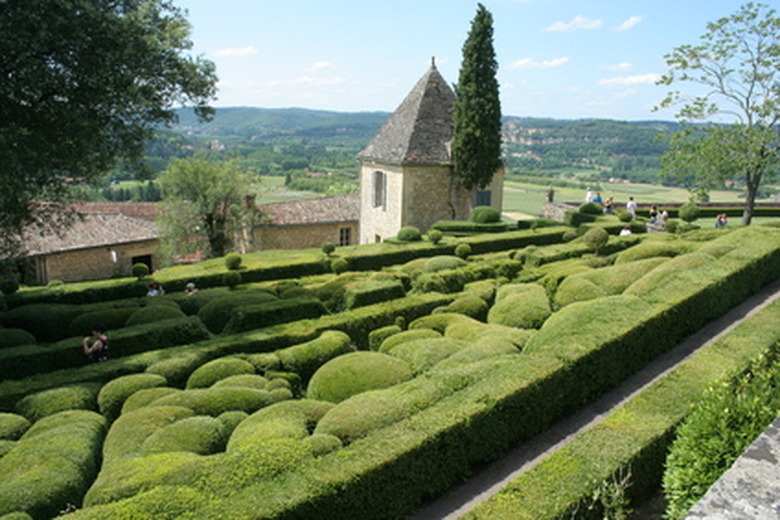
While most known for its use in hedges and topiary, some varieties of Boxwood (Buxus) also make striking ground-covers for sunny areas. Look for low-growing, spreading varieties such as "Tide Hill." Plant Boxwood close together and prune it to your desired height and texture to create an eye-catching emerald carpet. Hardiness varies depending on the species, but Boxwood generally thrives in zones 5 through 9.
- A native to the United States, wintergreen is a hardy woodland evergreen groundcover that grows only 6 inches high and spreads 3 feet wide.
- While most known for its use in hedges and topiary, some varieties of Boxwood (Buxus) also make striking ground-covers for sunny areas.
Rosemary
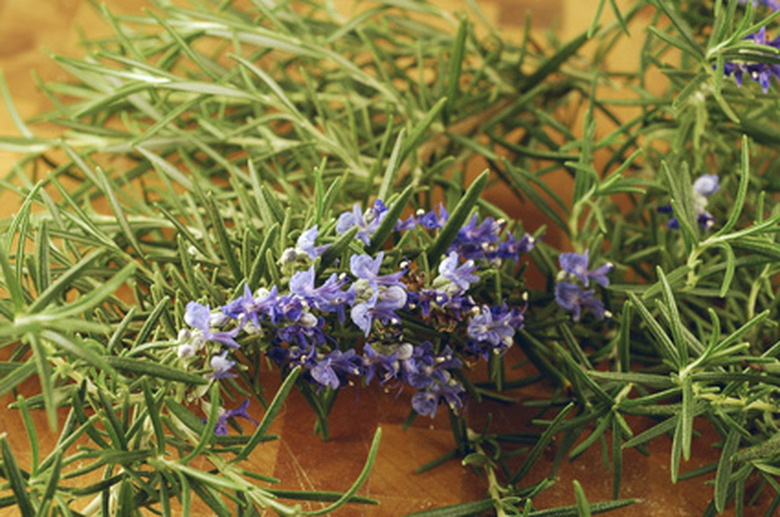
This aromatic herb tastes sweet to us, but fortunately deer turn up their noses to Rosemary (Rosmarinus officinalis). Rosemary can be used as a perennial groundcover in zones 7 through 9. Choose low-growing, spreading varieties commonly labeled "Creeping Rosemary." The fragrant needles of this hardy evergreen can be harvested for cooking. Its small blue flowers offer a nice bonus in spring. A native of sun-drenched Mediterranean regions, Rosemary thrives in hot summer temperatures and tolerates dry conditions.