• All
  • Articles
  • Videos
  • Plants

Hydrangeas: Pots of Mopheads and Lacecaps

Text size: a A  |  Print  |  Email  |  Bookmark and Share

by Naomi Mathews

Native to both Japan and Korea, hydrangeas have been naturalized in compatible climates around the world. Hydrangeas and are widely acclaimed for their large, showy blossoms that lend fabulous color to gardens from mid to late summer. Their luxuriant dark green foliage offers a striking background to their large round or smooth blossoms. All hydrangeas are deciduous, and it's a sure sign of spring when their tender green leaves begin to appear. Hydrangeas are spectacular grown as single specimens and are fabulous when planted in mixed shrub borders.

Hydrangeas Are Ideal For Planting In Containers!

These showy beauties need not be relegated to being planted only in gardens. Many varieties are suitable and wonderfully effective when planted in large containers. Growing hydrangeas in containers is a bit more tricky than growing them in your garden, but the results are well worth it. For successful growth and long-lasting beauty, gardeners need to be selective about choosing the appropriate varieties for containers.

Mopheads and Lacecaps -- Which is Which?

Before you get the urge to dash out and buy the first hydrangeas that meet your eye, it's wise to learn the difference between "mopheads" and "lacecaps." Chances are, some folks may never have heard these terms associated with hydrangeas. As peculiar as these names sound, they truly are the names designated to two cultivar groups of macrophylla hydrangeas!

Mopheads
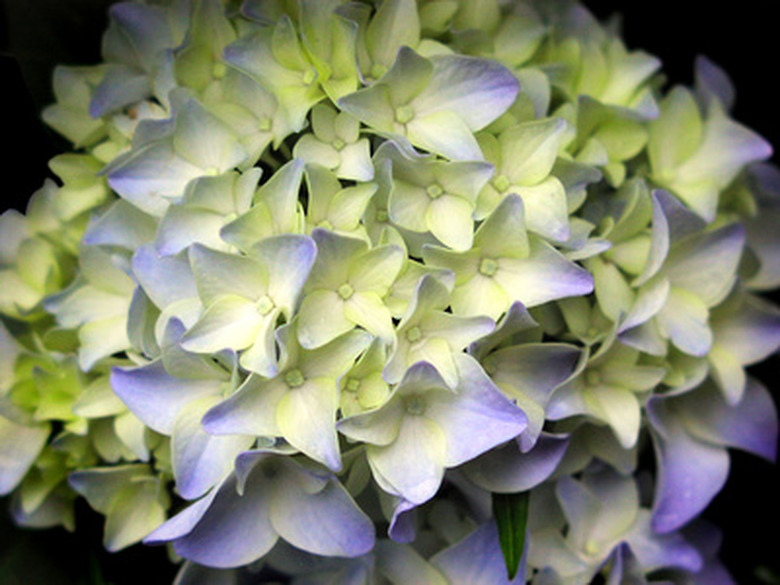
Hortensias {H. macrophylla}, also known as bigleaf or garden hydrangeas, are very popular and widely grown. Hortensias, also known as "mopheads," were named in honor of Hortense, the daughter of 18th century botanist Prince de Nassau. Mopheads feature large round flowerheads resembling pom-poms and bloom from mid to late summer. Their flower clusters differ from lacecaps in that some varieties produce sterile flowers with petallike sepals, while others bear smaller fertile flowers with starry petals. Those bearing sterile flowers bloom for several months, although their color gradually fades toward summer's end. Mopheads bloom in solid masses, their clusters often so heavy that they cause their stems to droop and bend.

Lacecaps
Lacecap hydrangeas bear flat round flowerheads with centers of fertile flowers surrounded by outer rings of sterile flowers. Their center flowers are not exactly showy, however thee outer rings of their sterile flowers are quite striking. Interestingly, the structure of these flowers really does remind one of a fancy "lace cap!" The fascinating flowerheads of lacecap hydrangeas are also somewhat reminiscent of pinwheels.

Fabulous Hydrangea Varieties for Show-Stopping Containers!

H. Aborescens (ssp. discolor) is a smooth hydrangea that bears striking white blossoms. It is hardy in USDA Zones 4A-9A, and prefers full to partial shade or partial sun. H. Aborescens will grow from 4-8 feet when mature and are a good container candidate. This species can be pruned and shaped to maintain a desired height and can be transplanted to your garden should it outgrow its container after several years.

H. macrophylla (var. normalia - Florist Hydrangea) will delight you with its beautiful variegated leaves of soft white outer edges and green centers. The showy round blossoms of this species come in blue, lavender, pink, and purple. Florist hydrangeas are hardy in USDA Zones 5B-9A, and reach 4-6 feet in height. This variety is a good choice for growing in containers, and prefers full to partial shade.

H. Aborescens (Smooth hydrange) as its name implies is a smooth hydrangea. This species is somewhat smaller than most, reaching 3-5 feet at maturity, making it an excellent choice for containers. It is hardy in USDA Zones 4A-9A, prefers full to partial shade or partial sun. The blossoms of this beautiful hydrangea offer a wonderful array of brilliant colors including blue, lavender, pink, red, and white.

H. Syriacus is a most unusual species featuring very full cone-shaped blossoms that bloom in gorgeous pink. Their mature height ranges from 39 inches to 4 feet, making them an excellent choice for containers. This species is hardy in USDA Zones 6A-8B, and requires full to partial shade. A truly unique and lovely species is this hydrangea!

H. Macrophylla (Bigleaf Hydrangea)H. Macrophylla (Bigleaf Hydrangea) is a very popular mophead. Although grown primarily in gardens, it can be successfully grown in containers as well. Outstanding blossoms that come in red, blue, lavender, pink, purple, and white adorn this lovely hydrangea from mid summer to late fall. Place containers in locations with full to partial shade or partial sun. Bigleaf hydrangeas are hardy in USDA Zones 5B-9A, and reach a mature height of 4-6 feet. They will accept light pruning to maintain desired heights in containers. This hydrangea will make a bold statement on decks, patios, balconies, or other shady spots.

Initial Planting and Aftercare Tips for Success

Location
Take a look around your yard or garden area before you decide to grow hydrangeas in containers. Hydrangeas all prefer full to partial shade or partial sun. You must have a location for contained hydrangeas where they will get minimal morning sun and plenty of afternoon shade. If the only place you have to place your potted hydrangea is on your shaded patio, you and your hydrangea will both be happy! Just remember to avoid placing them in full sun or they simply won't thrive. Also try to place your containers in an area that is protected from wind.

Containers and Plant Selection
Both mopheads and lacecaps need containers that are a minimum of 15-16 inches in diameter. A good rule of thumb is to select containers at least 2-4 inches larger both in depth and diameter than the nursery pot in which it was growing. This will give the root ball adequate room to grow. Choose light colored containers, as lighter colors reflect heat away from the roots of your plants. It's also critical that your containers have adequate drainage holes, since all hydrangeas insist on well drained soil.

When you've decided on which varieties want, always buy them at a reliable nursery or garden center. Experienced nursery people can be a big in selecting what you need. Select plants with well-balanced shapes to achieve a pleasing effect in your containers. Inspect the leaves for signs of disease or insect problems, and always buy only healthy plants. It's best to buy plants already in bloom to make sure you're getting the right variety.

Soil, Fertilizer, and Planting
Always use commercial potting mixes in your containers as they are sterilized and disease free. Your hydrangeas will thrive in a humus-rich potting soil, and using a soilless mix is also an asset as it helps retain water. There are many potting mixes available with slow-release fertilizer granules that are excellent for container plants.

Blue HydrangeaShould you decide to grow Macrophylla hydrangeas (Big leaf hydrangeas), be aware that they can have either pink or blue flowers, depending on the pH of the soil. Acid soils produce blue flowers, whereas alkaline soils produce pink blossoms. In garden settings, their colors can be changed by adding either sulfur or lime, depending on the color you want to achieve. This is much more difficult in containers because of the small amount of soil you have to work with.

When planting hydrangeas, place several inches of potting soil in the bottom of your container first. Center your hydrangea on top of this base soil, then fill in with more soil around the sides so there are no air pockets. Firm the soil gently with your hand, adding a final amount of soil around the top to make sure the roots are covered. Place a layer of fine bark or other mulch on top of the soil to help keep the plant from drying out. Water your hydrangea thoroughly right after planting, making sure the soil is quite moist.

Water Requirements

Hydrangeas are true water gluttons, a

nd even moreso when planted in containers. Daily watering will keep your plant from drying out. Lack of water will make for a very droopy, unhappy looking hydrangea with wilted leaves. You may want to invest some "drip" watering systems available these days. Remember, hydrangeas don't want to be soggy or overwatered -- just nice and moist!

Noxious Pests or Other Problems to Watch For
Ah yes -- even hydrangeas attract a few pests! Among some pests to watch for are aphids, red spiders, leaf tiers, and rose chafers. Hydrangea foliage is also susceptible to leaf spots and powdery mildew. Always treat insects or diseased plants as soon as possible. Your friendly local garden will be able to quickly steer you in the right direction for a proper treatment plan if needed.

Hydrangeas can provide much enjoyment for many seasons when properly cared for. Growing them in containers gives you the flexibility of moving them to different areas, or taking them with you should YOU have to move! You will be delighted with the versatility of these lovely shrubs, so just relax and enjoy their beauty!

About this Author

GardenGuides.com