

How To Care For Foxglove Plants
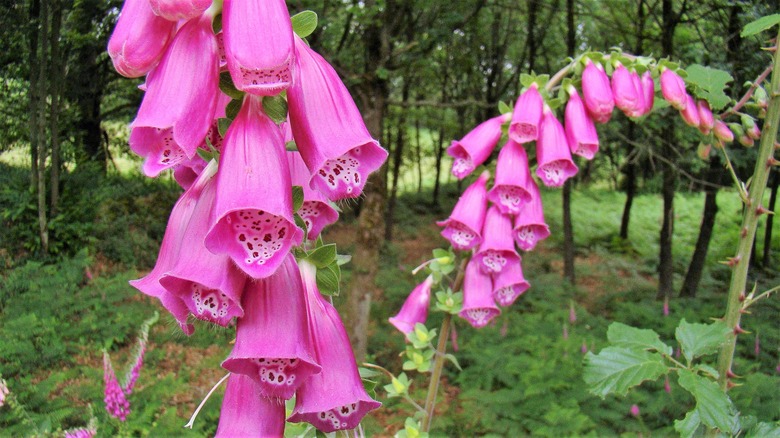
A staple in the cottage garden, common foxglove (Digitalis purpurea) stands tall at the back of the perennial bed, reaching 6 feet in some cases. Growing this flower is not a slam-dunk, however—it prefers partial shade and can quickly become parched in full sun unless provided regular irrigation.
Growing best in USDA hardiness zones 4 to 9, foxglove is also commonly called purple foxglove, fairy bells and lady's glove. Foxglove has naturalized in many areas, and in some locales, it is considered invasive, so consult your local extension office before planting it.
Warning
All parts of the foxglove plant are highly poisonous if ingested by humans, cats or dogs.
About Foxgloves
Although some gardeners grow these flowers as perennials, foxgloves are actually biennials. They form a tight rosette of leaves in their first year, then produce their tall flower stalks and tubular flowers in their second year, typically blooming in late spring to early summer. These plants make great cut flowers.
Foxglove Propagation
Foxglove plants self-seed prolifically, so deadhead them after flowering to prevent a thick carpet of seedlings. To maintain a perennial flower bed, retain some blooms to produce foxglove seeds so you can continue to enjoy these biennial plants the following year.
If you fail to save enough seed for self-sowing, you can purchase new seed and replant. Sow seeds during the growing season outside after all danger of frost has passed until two months before your area's first fall frost. Don't cover seeds with soil, because they need light to germinate.
 DoF CC-BY-X
Foxglove Varieties
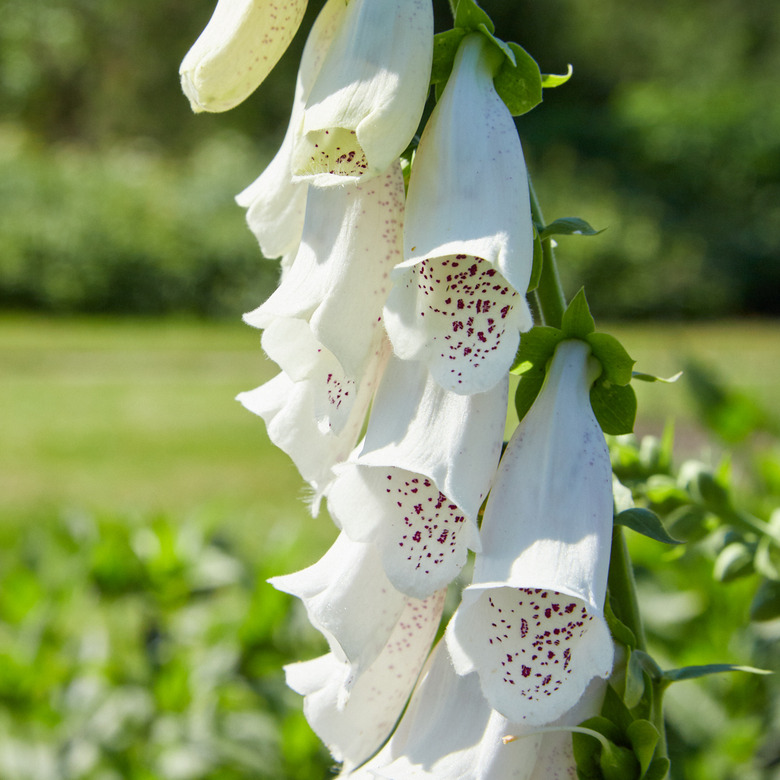
Multiple cultivars and hybrids exist, among them Alba (Digitalis purpurea 'Alba') with white flowers and Candy Mountain (Digitalis purpurea 'Candy Mountain') with rose-pink flowers.
The famous Excelsior hybrid series is available in a wider range of colors, including yellow. Foxy (Digitalis purpurea 'Foxy') is a hybrid bred to be shorter than most other foxgloves at just 2 to 3 feet; it also blooms the same year as the seeds are sown.
Tip
Some newer cultivars of this biennial, such as Foxy, bloom the first year after seeding.
Foxglove Care
Foxglove is not the easiest plant to grow in the garden, but it is worth the effort.
Location and Soil
Foxglove prefers a somewhat acidic soil pH under 6.0. It requires good drainage and soil rich in organic matter, but this plant might surprise you and persist in even poor soils.
While it can handle full sun, it does best in part shade, which equates to about two to six hours daily.
Watering and Fertilizing
Foxglove is a thirsty plant. Ensure even moisture, especially during dry spells when you may need to water daily to keep this plant from drying out. Plants located in full sun are especially prone to heat damage. Even for partial-shade plants, monitor moisture and water regularly.
While many experts don't recommend fertilization, the University of Florida IFAS Extension suggests the application of a general, all-purpose fertilizer once monthly before flowering.
 David J. Stang
Pruning Foxgloves
Generally, foxglove does not need any regular pruning other than deadheading spent flowers. However, it can reach 6 feet tall with a spread of 1 to 3 feet. If it begins to crowd out other plants, you can prune off some leaves. You can also cut it to the ground after flowering if you don't plan to retain it in the garden the following year.
Pests and Diseases
Foxglove is resistant to many diseases and pests but can be susceptible to Japanese beetles, mealybugs, aphids and thrips. Generally, you can just pick these off or spray them off with water.
If you notice the leaves drooping or developing a whitish coating, your plant may have developed a fungus, either fungal leaf spot or powdery mildew. In this case, spraying a fungicide can help, although most fungicides are preventive rather than designed to kill an existing fungus. To avoid fungal diseases, ensure good air circulation around each plant.