

How Many Seeds Are In An Average Sized Pumpkin?
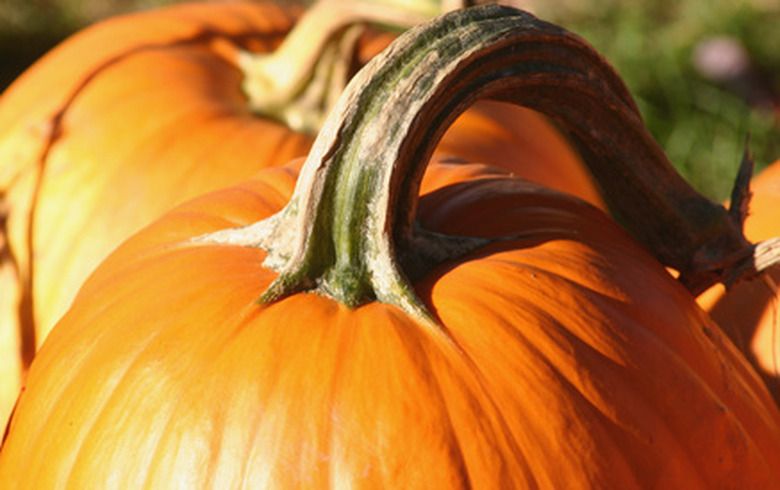
The number and size of seeds in a pumpkin varies depending on the pumpkin size and other variables, such as pollination. To get a rough estimate of how many seeds the pumpkin contains, count the number of sections in the pumpkin and multiply by 16.
Plant Pumpkin Seeds
The mention of April 15 may strike dread in the hearts of U.S. taxpayers, but the date is happily anticipated by inland-area pumpkin growers. It's the ideal time to get pumpkin seeds into the ground if they hope to have big, beautiful pumpkin fruits in time for Halloween. If you look forward to pumpkin pie for the fall holidays, then you have until the middle of July to plant pumpkin seeds. Typically, that is 100 to 115 days. Pumpkin seeds won't germinate in cold soil. Start this process in late winter or early spring. So water it deeply, to at least 12 inches deep, and use a shovel to dig a hole 12 inches deep and 24 inches wide in the soil. Pumpkin seeds require moisture to germinate; water the mound's soil until it is moist throughout, and keep it moist while the seeds germinate.
- The number and size of seeds in a pumpkin varies depending on the pumpkin size and other variables, such as pollination.
- If you look forward to pumpkin pie for the fall holidays, then you have until the middle of July to plant pumpkin seeds.
References
- LeslieBeck.com: Pumpkin Feature Food for October
- Penn State Agricultural Research and Cooperative Extension: Agricultural Alternatives — Pumpkin Production
- University of California Cooperative Extension, Sonoma County Master Gardeners: Vegetable Planting Summary
- University of California, Marin Master Gardeners: Gardener's Checklist for Spring
- University of California Cooperative Extension, Contra Costa Master Gardeners: Contra Costa County Vegetable Planting Guide for Coastal Regions
- Vegetable Crops; Dennis R. Decoteau
- Vegetable Gardening; Fern Marshall Bradley and Jane Courtier