

The Best Things To Plant In Raised Vegetable Beds
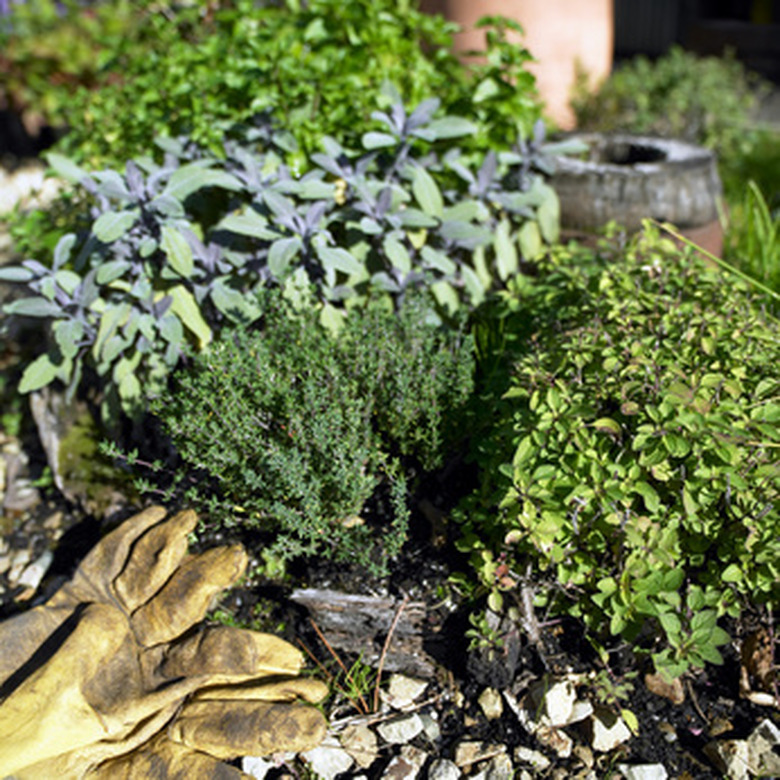
Raised beds make vegetable gardening so much easier. The higher beds put plants close to eye level, which makes spotting pests and disease easier. You control the quality of soil in raised beds, so the better the soil, the better the vegetables. And best of all, raised beds are easier on gardeners' joints, backs and muscles.
Leafy Greens
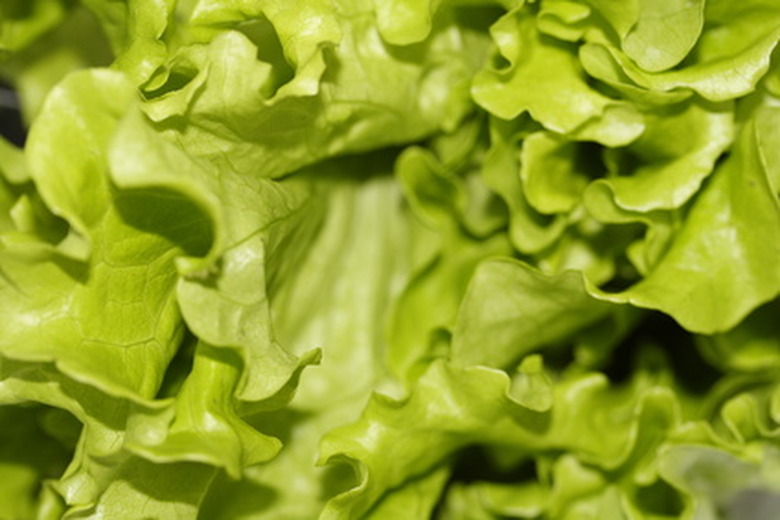
Leafy greens are the easiest vegetables to grow in raised beds. Low to the ground, they don't get knocked over by high winds. Raised above ground level, they aren't as likely to be demolished by snails and slugs. Leafy green vegetables include lettuces and cabbages (both head and loose leaf), spinach, celery, leeks and mescalin mixes.
- Raised beds make vegetable gardening so much easier.
- Raised above ground level, they aren't as likely to be demolished by snails and slugs.
Peppers, Eggplants, Tomatoes
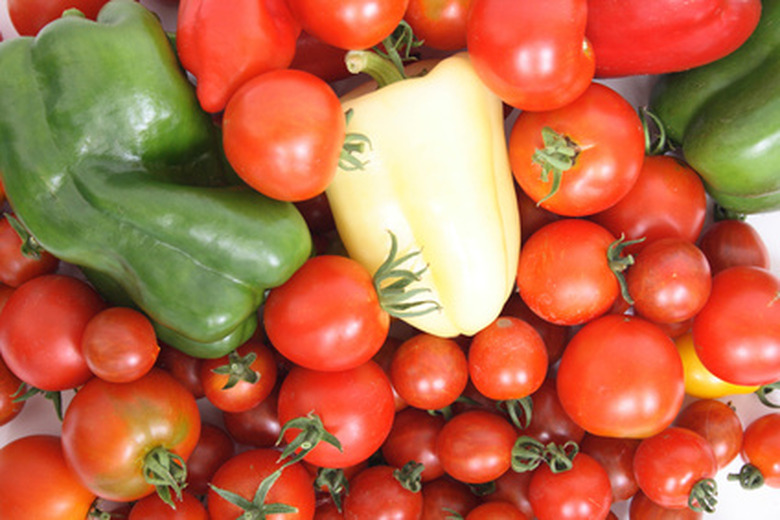
Peppers, eggplants and tomatoes all thrive in raised beds. Either grow your tomatoes on a trellis or use tomato cages to prevent the plants from sprawling on the soil. Just like in traditional gardens, you will need to rotate these plants between beds to prevent the spread of disease.
Peas, Beans, Cucumbers

It is possible to grow peas, beans and cucumbers in raised beds; just choose bush or miniature varieties. Trellis miniature varieties to save space in your raised beds to plant other crops. Avoid varieties that vine or grow more than 5 feet high, as these are more likely to topple over during high winds or heavy rains.
Root Vegetables
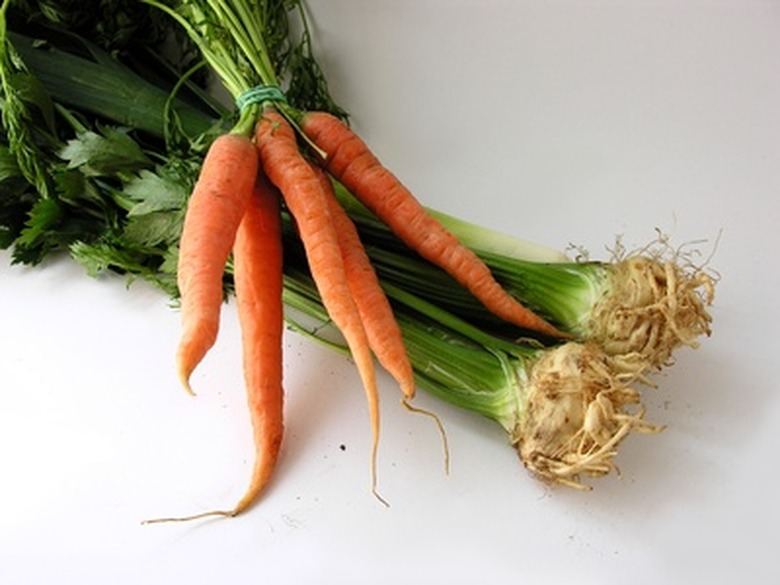
Root vegetables grow longer, straighter and bigger in the loose soil of raised beds. These are the vegetables that grow in or beneath the soil. Carrots, parsnips, beets, turnips, onions, garlic and radishes are the root vegetables that grow best in raised beds. Your raised bed most have at least 3 feet of soil to successfully grow root vegetables.
- Peppers, eggplants and tomatoes all thrive in raised beds.
- Either grow your tomatoes on a trellis or use tomato cages to prevent the plants from sprawling on the soil.
Broccoli and Cauliflower
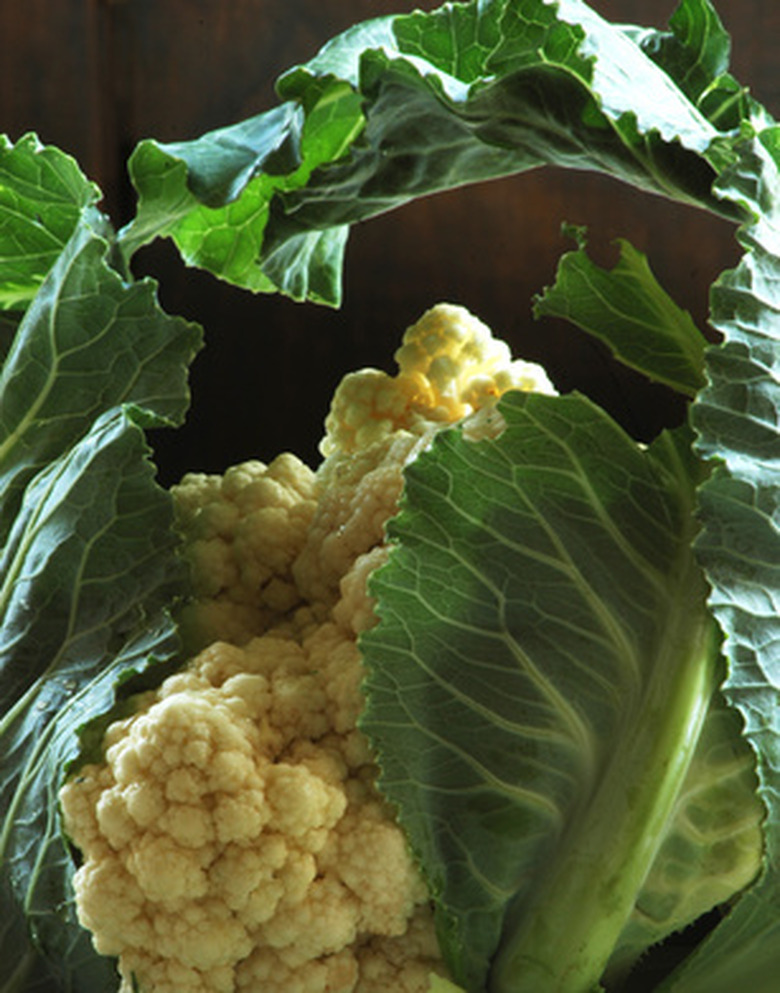
Broccoli and cauliflower, while larger vegetables, do well in raised beds. Plant as you would normally in a traditional garden, but inter-plant lettuces, spinach, carrots or other quick-maturing small vegetables with the broccoli and cauliflower seedlings to make use of the empty space between the seedlings.
References
- University of Tennessee Extension; Raised Bed Gardening
- Lasagna Gardening; Patricia Lanza; 1998
- Organic Gardening for the 21st Centure; John Fedor; 2001