

House Plants That Produce Oxygen
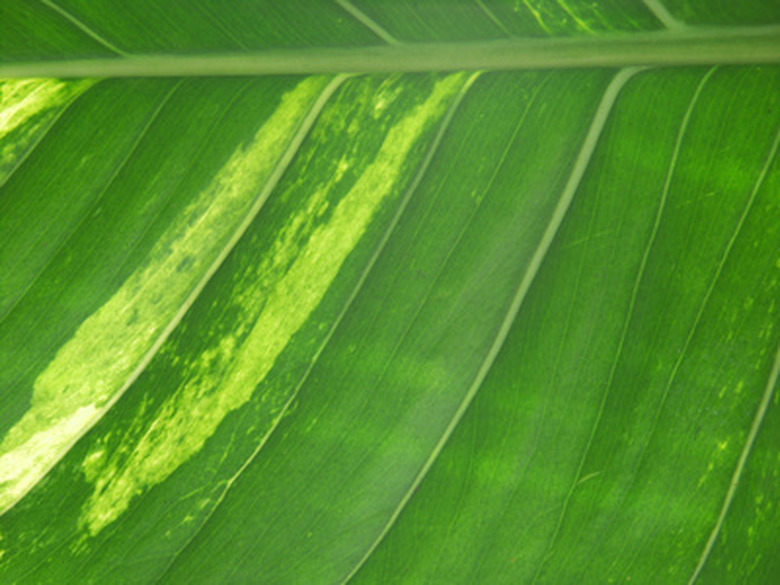
All plants produce oxygen during the process of photosynthesis, which is how plants make food, or energy. How much oxygen is produced can vary widely from species to species. In most plants, the production of oxygen occurs during the day. Some plants, however, produce oxygen at night. Still others not only produce oxygen, but also remove potentially harmful toxins from the air, according to information published by Colorado State University. Any of these plants will not only add an attractive touch to your home, but improve the air quality as well.
Philodendrons
Philodendrons encompass a wide range of species and cultivars. Most are attractive and popular houseplants, with broad, shiny leaves and a mounding or climbing habit. Philodendrons are also known to clean the air, including the popular Heartleaf cultivar. In addition, they are hardy plants that require minimum light and basic culture. These plants will grow well as long as you remember to water them once in a while.
- All plants produce oxygen during the process of photosynthesis, which is how plants make food, or energy.
- Still others not only produce oxygen, but also remove potentially harmful toxins from the air, according to information published by Colorado State University.
Spider Plants
Spider plants are especially handy at removing formaldehyde from the air, according to information published by Colorado State University. They also produce oxygen and plenty of plantlets–baby spider plants that dangle like stars at the end of the long, slender leaves. This makes them an ideal plant to share with other, health-conscious home gardeners.
Christmas Cactus Plants
Christmas cactus plants are green succulents with bright red flowers that bloom at Christmas time. They are easy to care for and highly drought-tolerant. While they make a cheerful holiday gift, they are also functional plants. These succulents release oxygen during the night, instead of during the day like most other plants, according to information published by Beyond Jane.
- Spider plants are especially handy at removing formaldehyde from the air, according to information published by Colorado State University.
- They also produce oxygen and plenty of plantlets–baby spider plants that dangle like stars at the end of the long, slender leaves.
Gerbera Daisies
Gerbera daisies are popular for their large, colorful blooms. They also remove trichloroethylene from the air–a product found in many cleaning materials–making this an excellent choice for an office plant. Gerberas also tolerate low-light conditions and can grow in full shade if their soil is kept moist at all times.