

Winter Care For Perennial Plants
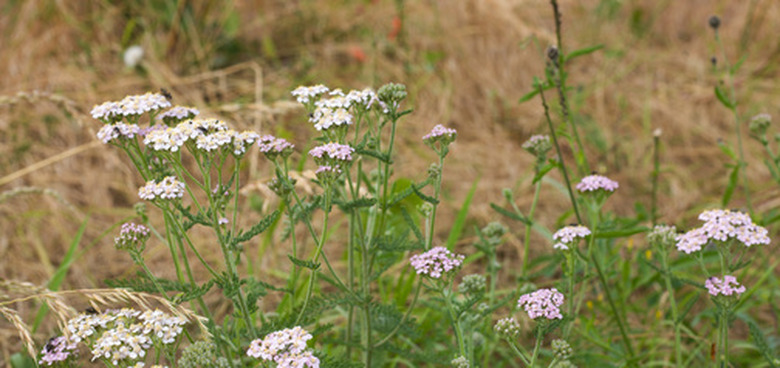
Perennial flowers and plants have few maintenance needs and provide beauty in your garden for years. In cold climates (north of zone 6), perennials need winter protection, especially if you live in an area with repeated freeze and thaw cycles. Don't cut perennials back until late winter. The dead stalks provide shelter and food for birds, as well as insulation for the perennials' roots.
Step 1
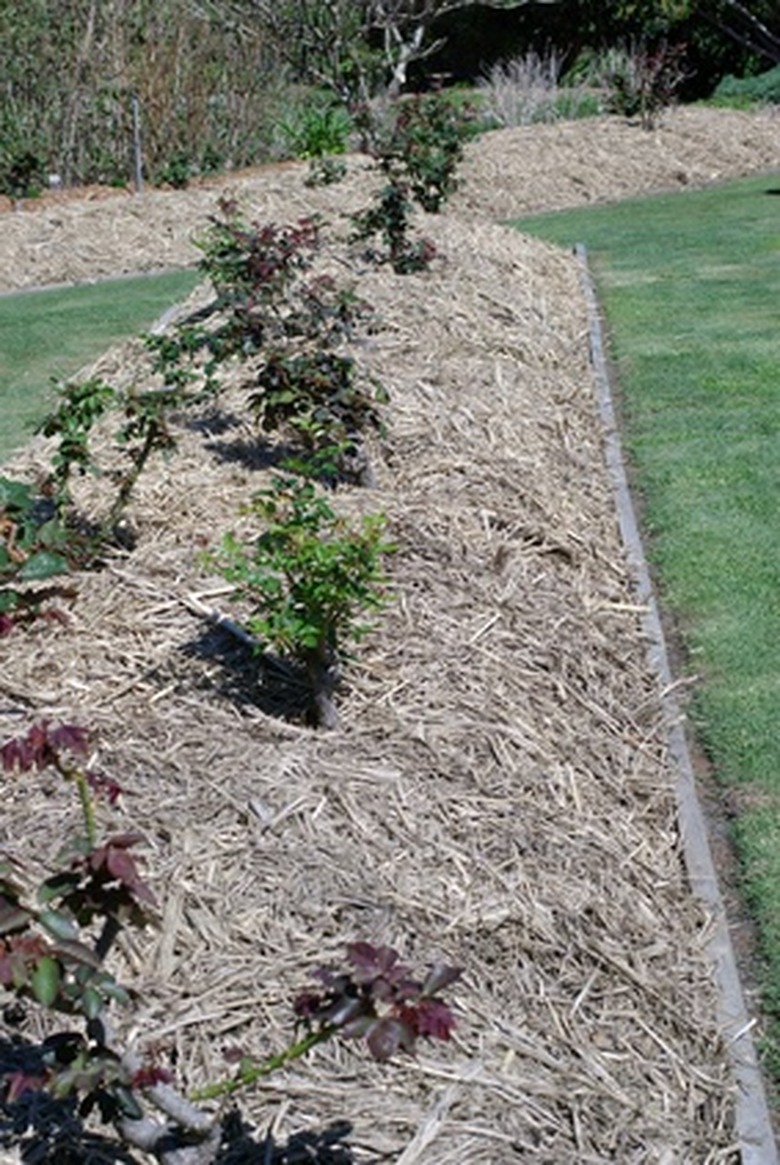
Apply a 2-inch layer of mulch in late fall before the first freeze to your perennial garden. Mulch protects the roots of your perennials and prevents the plants from being heaved out of the soil by repeated freezes and thaws. Remove the mulch in late spring before new growth emerges.
- Perennial flowers and plants have few maintenance needs and provide beauty in your garden for years.
- Apply a 2-inch layer of mulch in late fall before the first freeze to your perennial garden.
Step 2
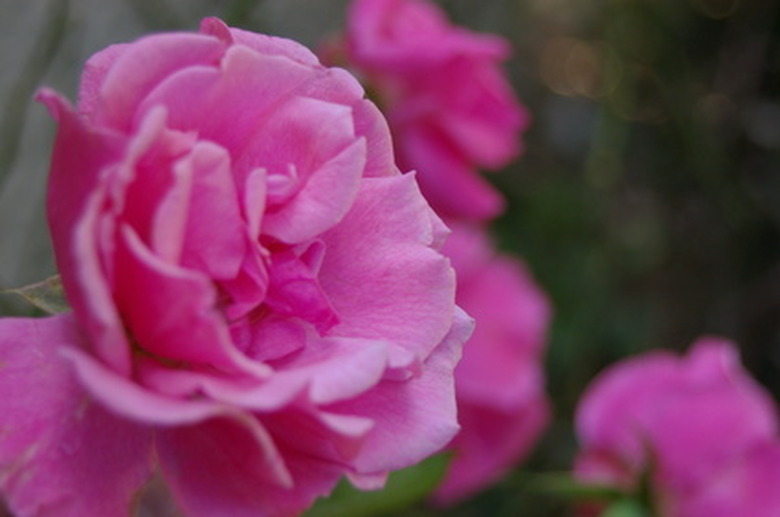
Wrap burlap around the base of roses, or mound soil 3 to 4 inches up around the plant. Bring tender perennials like dahlias or potted perennials indoors and store in a dark, cool place.
Step 3
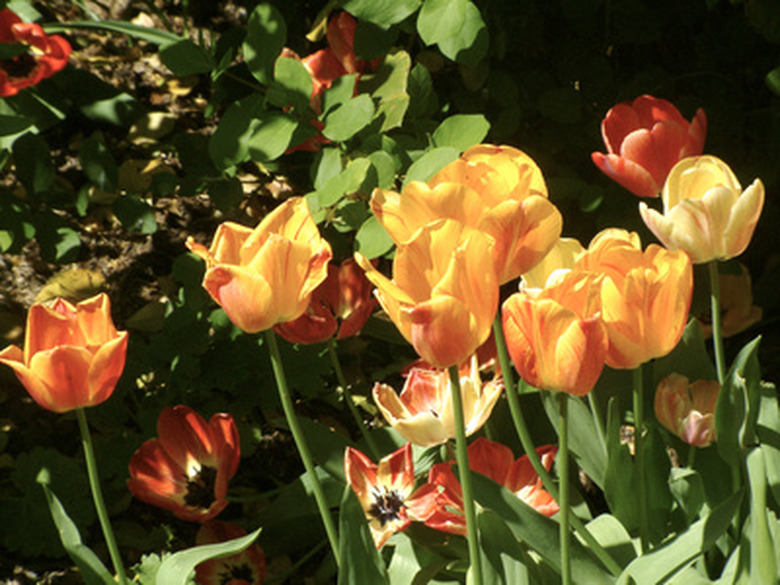
Cut back dead stems in late winter with hand pruning shears as new growth is emerging. Throw away old growth to prevent disease.
Overwintering Perennial Plants
The dead growth and debris around perennials causes pests and diseases to infest the plants during the winter months. Fertilizer applied in the fall promotes new growth that could be damaged during the winter months. Older perennials show their age with dead spots in the middle or fewer blooms each year. The dead spots are removed, which lowers the chance of diseases or pests attacking the plant. Mulch keeps the perennial plant root system warm. Plastic does not allow the soil to breath. Container perennials do well when you bury the entire container in the garden until spring.
- Wrap burlap around the base of roses, or mound soil 3 to 4 inches up around the plant.
- Container perennials do well when you bury the entire container in the garden until spring.
Things Needed
- Natural mulch (wood chips, straw or dead leaves)
- Burlap
- Hand pruning shears
Tip
Consult a local nursery expert or county extension office to choose perennial varieties suitable to your area. Add plenty of organic material like compost or manure to your garden beds when you first plant your perennials. Perennials are often killed in winter when their roots sit in frozen water. Well-drained soil prevents this problem. Plant less hardy perennials next to your house or in a place sheltered from freezing winter winds.
References
- University of Illinois Extension: Fall and Winter Care
- U.S. Department of Agriculture: USDA Plant Hardiness Zone Map
- Oregon State University County Extension Service: Winter Care of Perennials
- University of Illinois Extension Service: Fall and Winter Care
- Texas A&M University AgriLife Extension Service: Follow Proper Pruning Techniques