

Garden Fungus Help
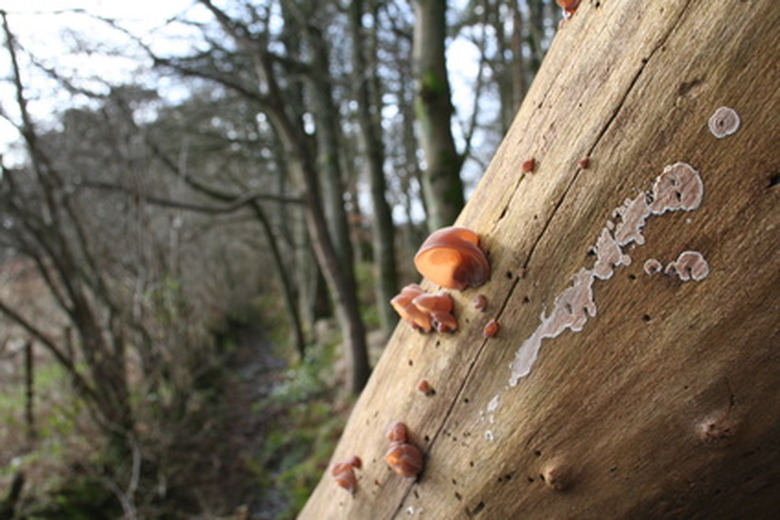
Fungus is a common problem in gardens. Diseases with fungal origin can spread quickly and often are fatal to plants. Controlling garden fungus can be difficult if the problem is not picked up right away, but it is possible to cure and stop the spread of fungus with simple prevention methods.
Symptoms
Symptoms of fungal disease may include yellow spotting of leaves and dying lower portions of plants. Wilting may occur, as well as a leaning of the plant as it coming loose in the soil when roots rot away. Powdery white mildew is visible on the top of the soil, and you may see growth on the leaves of the plant.
Copper and Sulfur
Natural fungicides such as copper and sulfur will cure fungal diseases. Effective treatments are sulfur, lime-sulfur and bordeaux mixtures containing copper sulfate and lime. Applied directly to the soil, these minerals will kill of fungal infection and will save your plants as long as the damage is not too extensive.
- Fungus is a common problem in gardens.
- Powdery white mildew is visible on the top of the soil, and you may see growth on the leaves of the plant.
Baking Soda
Baking soda is effective against black spot fungal disease as well as powdery fungal mildews. Diluted in water and sprayed onto the leaves of the infected plant, it will remove fungal growth on the foliage.
Oil
Mineral oils, plant oils and fatty acid oils in sprays can prevent both fungi and insect damage. Petroleum-based oils also are effective, but these can harm the environment. Vegetable oil sprays are safer for the environment. Neem oil will control powdery fungus infection.
Fungicides
Fungicides are another effective treatment when sprayed on the leaves and used to soak the soil. These are more effective on surface-area fungi than those under the soil, and will only save plants whose roots have not been heavily damaged.
- Baking soda is effective against black spot fungal disease as well as powdery fungal mildews.
- Diluted in water and sprayed onto the leaves of the infected plant, it will remove fungal growth on the foliage.
Eliminate White Fungus From Garden Soil
White fungus (Sclerotium rolfsii) is a difficult-to-control fungus that can affect more than 500 plant species, including fruit trees, garden fruits and vegetables, bulbs, ornamental flowers and grasses. You may not notice it until plants begin to wilt and die due to rot in the lower stems, near the soil. They look like seeds or peppercorns. Immediately remove any plants, organic matter and soil that show signs of white fungus. Sterilize all tools, including shovels, mowers, pruning tools and your shoes with a disinfectant or by dipping into rubbing alcohol or household cleaners. Fungi thrive in warm, wet, humid conditions. Avoid watering from above and wetting the foliage. Soil sterilization helps control white fungus in warm climates. The garden bed must receive full sun. Track the soil temperatures; the top 6 inches of the soil should reach 110 to 125 degrees or more, daily. Rather than remove the plastic, you can cut holes in it and plant seeds or transplant seedlings. If the white fungus problem in your garden is severe enough to warrant strong chemical treatment, consult a professional gardening or landscaping service. **
- White fungus (Sclerotium rolfsii) is a difficult-to-control fungus that can affect more than 500 plant species, including fruit trees, garden fruits and vegetables, bulbs, ornamental flowers and grasses.
- Rather than remove the plastic, you can cut holes in it and plant seeds or transplant seedlings.
References
- North Dakota State Universiyt: Lawn Diseases
- Brooklyn Botanic Garden: Natural Disease Control
- APS: Southern Blight, Southern Stem Blight, White Mold
- University of California UC IPM Statewide Integrated Pest Management Program: Sclerotium Blight (Southern Blight)
- University of California UC IPM Statewide Integrated Pest Management Program: Floriculture and Ornamental Nurseries – Management of Soilborne Pathogens
- University of Michigan Extension: Applying Foliar Fungicides for Control of white Mold in Soybeans
- University of Minnesota Extension: Remove White Mold Infected Annuals
- The Old Farmer's Almanac: White Mold
- University of California UC IPM Statewide Integrated Pest Management Program: Soil Solarization for Gardens & Landscapes
- AMVAC: PCNB