

How To Make A Diorama Of A Swimming Pool
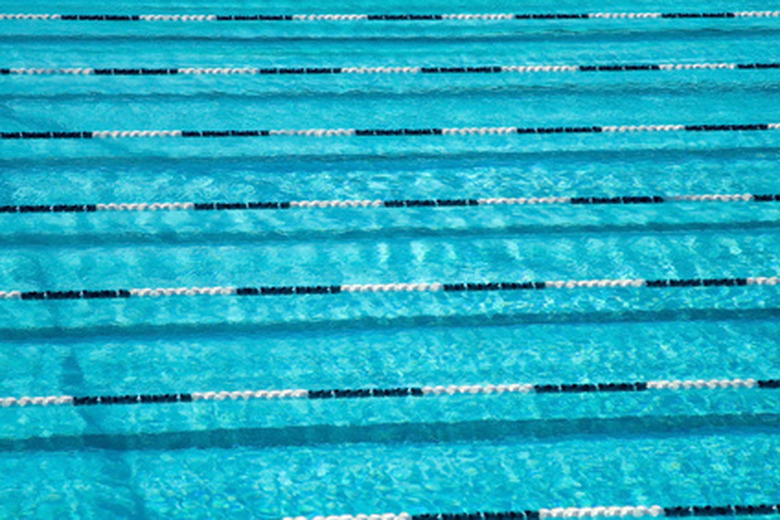
A diorama is a three-dimensional model of a scene that captures a moment in time. It shows the many objects and people in a place and highlights the interactions between them. Although they can be of any size, dioramas made in shoe boxes are easy and inexpensive to make.
Things Needed
- Shoe box
- Scissors
- Pencil
- White paint
- Blue paper — two different colors
- Markers
- Drinking straw — white or blue
- Acetate sheet
- Black and white beads
- Thread
- Two plastic dolls of appropriate scale
- Fabric scraps
- Glue
- Cardboard
- Red pipe cleaner
- White string
- Plastic wrap
A diorama is a three-dimensional model of a scene that captures a moment in time. It shows the many objects and people in a place and highlights the interactions between them. Although they can be of any size, dioramas made in shoe boxes are easy and inexpensive to make. Creativity, imagination and the use of household objects contribute to an effective diorama. Creating a swimming pool diorama to show the pool in cross-section adds a unique twist to this art form.
Step 1
Remove the lid from the shoe box and discard it. Turn the shoe box horizontally on its side with the opening towards you and mark the top. Keep the box in this orientation during the construction of the diorama.
- A diorama is a three-dimensional model of a scene that captures a moment in time.
- Although they can be of any size, dioramas made in shoe boxes are easy and inexpensive to make.
Step 2
Draw a pencil mark lightly across the inside back of the box one-third of the way up from the base. This is the water line. Paint the parts of the box above the line with white paint.
Step 3
Cut out small squares from the blue paper to form mosaic tiles. Glue these in a pattern inside the box, across the back, two sides below the pencil mark and on the bottom of the box. These are the tiles in the pool.
Step 4
Mark distance divisions on the mosaic tiles at the back of the box with the black marker. Draw lane divisions across the length of the inside bottom of the shoe box with the same marker.
- Draw a pencil mark lightly across the inside back of the box one-third of the way up from the base.
- Glue these in a pattern inside the box, across the back, two sides below the pencil mark and on the bottom of the box.
Step 5
Cut the straw to the length of the box and glue it inside the box at the back on the pencil line to form the handrail.
Step 6
Cut out a piece of acetate the width and length of the shoebox. Make two holes in it for the dolls to fit in. String black and white beads onto pieces of thread to create lane dividers. Glue them to the underside of the acetate, matching the lane divisions drawn on the bottom of the diorama. Create as many lane dividers as you need.
Step 7
Score the inside of the box along the pencil line with the blade of the scissors. Attach the acetate to this line using glue.
- Cut the straw to the length of the box and glue it inside the box at the back on the pencil line to form the handrail.
- Score the inside of the box along the pencil line with the blade of the scissors.
Step 8
Remove any clothes from the dolls and draw on bathing suits using markers. Alternatively, fashion bathing suits from fabric scraps. Insert the dolls into the holes in the acetate, so that they appear to be treading water.
Step 9
Draw a front view of a lifeguard's chair on a piece of cardboard. Color the chair and cut it out. Glue it to the inside back of the box above the water line.
Step 10
Cut a white straw to the height of the diving board and glue it to the inside left-hand side of the box just above the water line. Create a diving board from the cardboard by cutting out a rectangle and coloring it black. Glue this rectangle above the straw so that it juts out into the diorama.
- Remove any clothes from the dolls and draw on bathing suits using markers.
- Create a diving board from the cardboard by cutting out a rectangle and coloring it black.
Step 11
Twist the red pipe cleaner into a circle to form a lifebelt. Wrap the white string around it and glue the ends to the right hand side of the diorama, so that the lifebelt hangs down.
Step 12
Cut three steps from the cardboard and cover them with the blue paper mosaic tiles. Glue them to the right side of the diorama under the water line.
Step 13
Glue a piece of plastic wrap across the front of the shoe box below the water line, to represent the water in the pool.
Tip
Create a tropical swimming pool diorama by painting palm trees on the inside back and sides of the shoe box. Crumple plastic wrap and place it in the diorama underneath the acetate to represent the water.