

Perennials With Daisy-Like Flowers
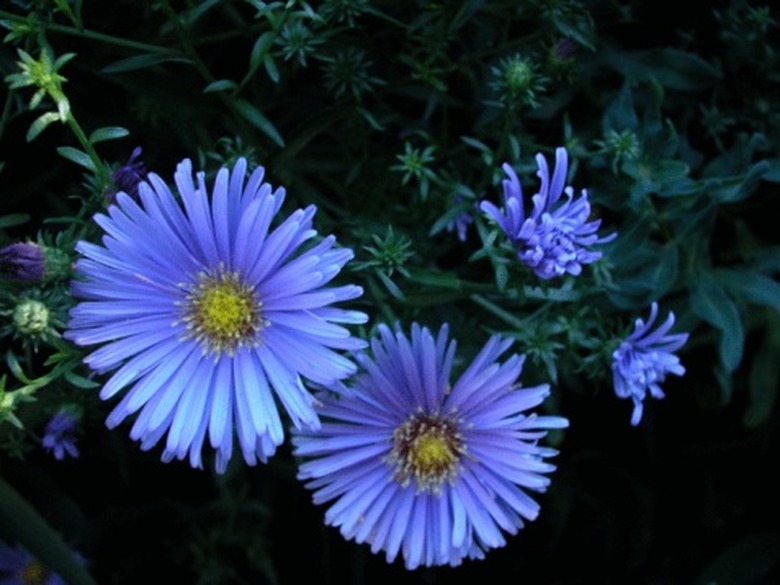
The asteraceae family of flowers — better known as the daisy family — is made up of about 20,000 species. The flowers in this family typically have daisy-shaped flowers with long, thin petals that surround a cone-shaped or flat center, or several petals that form a disc shape with no prominent center. Several of these flowers are perennials.
Sneezeweed
Sneezeweed, or Helen's flower, is prized for its showy, daisy-like blooms. The base of the plant produces green, serrated foliage that is about 6 inches in length. The flowers, which bloom in early fall, are about 2 inches in diameter and range in color, including red, yellow and orange. They do best when planted in full sun and in soil that is moist and drains well, and are hardy in USDA zones 3 through 8.
- The asteraceae family of flowers — better known as the daisy family — is made up of about 20,000 species.
- The flowers, which bloom in early fall, are about 2 inches in diameter and range in color, including red, yellow and orange.
Coreopsis
Coreopsis, also known as tickseed, is another type of perennial flower that has daisy-like flowers. They grow in clumps that reach heights of 1 to 4 inches high. The thick, woody stems are covered with dark green foliage. On top of each stem blooms a yellow or gold disc-shaped flower that is 2 to 3 inches in diameter. The flowers bloom from June through September, providing color for the entire summer season. They adapt to a variety of soils and require full sun to partial shade. They are hardy in USDA zones 5 through 10.
- Coreopsis, also known as tickseed, is another type of perennial flower that has daisy-like flowers.
- They grow in clumps that reach heights of 1 to 4 inches high.
Aster
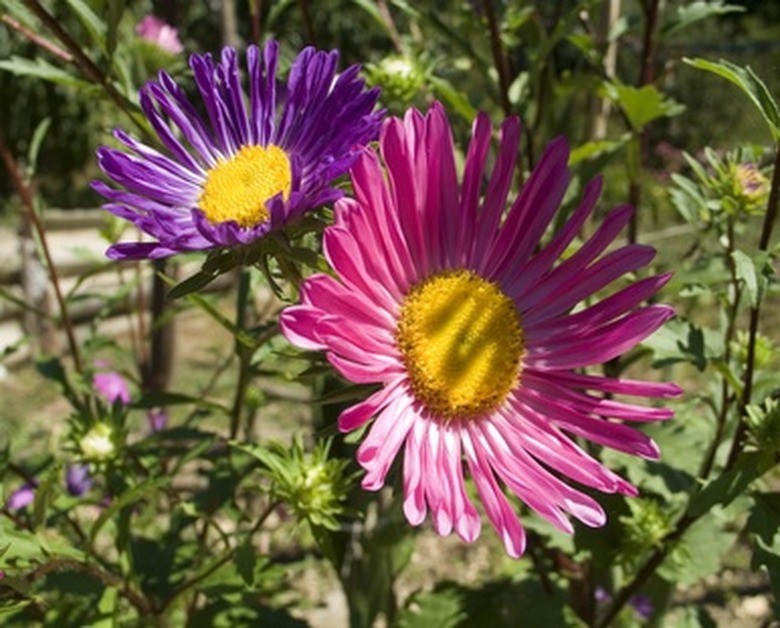
Aster is the Greek word for star, a name befitting this plant with its star-shaped, daisy-like flowers. The flowers of this plant are white, blue or pink and they grow on the tips of thin, woody stems. Light green, ridged leaves grow up the length of the stems, making them nearly unable to be seen. Plant height varies depending on the variety, but ranges from 8 inches to 8 feet tall. Plant them in full sun and moist soil that drains well. They are hardy throughout USDA zones 3 through 8.
Blanket Flower
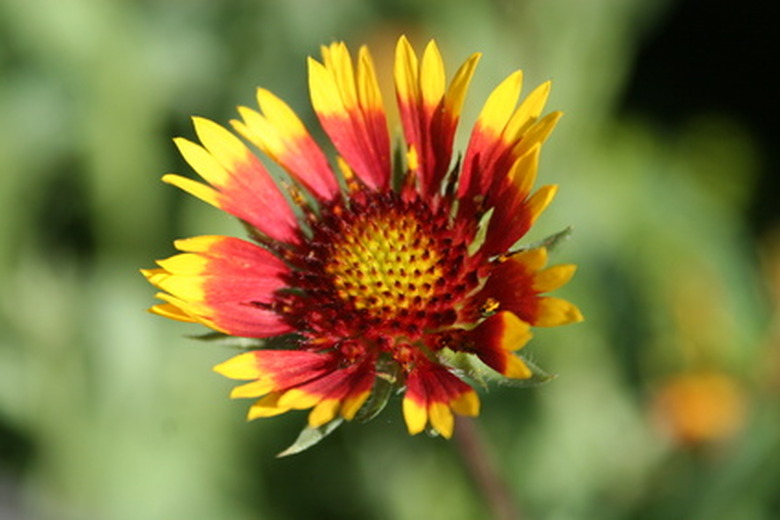
This hardy perennial requires little care and produces vibrant, showy daisy-like flowers. It grows in mounds that reach 18 to 24 inches in height. The erect stems are covered with green foliage and the blooms of the flower have a cone-like center with red petals and yellow rims and bloom from May through September. They are drought tolerant, though occasional watering will extend the life of the blooms. Plant them in full sun and well-drained soil. They are hardy in USDA zones 3 through 10.
- Aster is the Greek word for star, a name befitting this plant with its star-shaped, daisy-like flowers.
- They are drought tolerant, though occasional watering will extend the life of the blooms.