

How To Save Spaghetti Squash Seeds
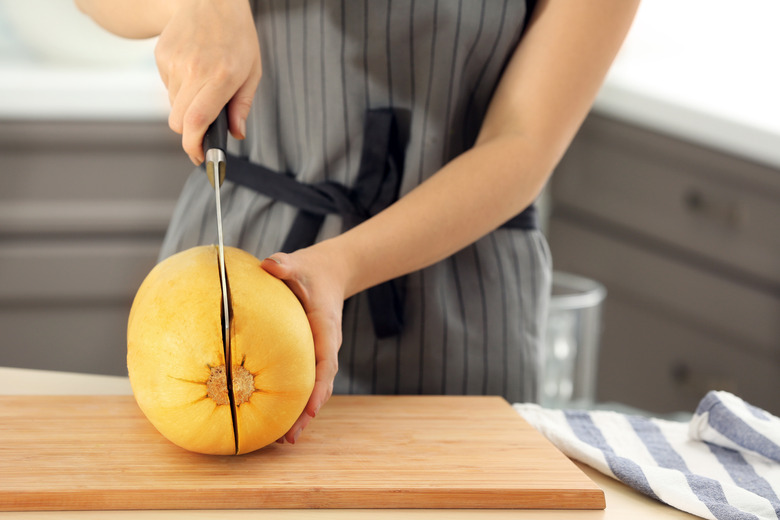
Spaghetti squash is an extremely popular winter squash variety. Many gardeners and their families love this unique veggie that, when cooked, can be scraped into pasta-like filaments, perfect with any type of sauce. Like all winter squash, these must be allowed to ripen on the vine, and this is doubly important if you are planning to harvest the seeds for future planting. But saving spaghetti squash seeds for planting isn't always a good idea, depending on the type of squash you are growing.
belchonock/iStock/GettyImages
How to Plant Spaghetti Squash
Spaghetti squash is called a winter squash, but if you sow the seeds in winter, you won't see much action. Winter squash are given the name because it stores well, lasting into the winter, not because it likes a snowy garden plot. Start the seeds for spaghetti squash in spring after the last frost. You can start growing spaghetti squash indoors even earlier if you like, then transplant the seedlings to the garden when the soil is warmed to 60 degrees Fahrenheit.
- Spaghetti squash is an extremely popular winter squash variety.
- Many gardeners and their families love this unique veggie that, when cooked, can be scraped into pasta-like filaments, perfect with any type of sauce.
These are big, spreading vine plants, so it isn't practical to consider growing spaghetti squash in containers unless they are large. Usually, spaghetti squash is planted in hills some 3 feet apart, or every 4 feet in rows 7 feet apart. Plant three seeds for every one plant you want, then thin to the strongest seedling. The squash will require a consistently damp soil to germinate. Once the plants have settled in, give them an inch of water a week to keep those vines growing and producing the pretty squash blossoms.
When Is Spaghetti Squash Ripe?
You can eat spaghetti squash only if it ripens on the vine. Unlike many vegetables, winter squash won't mature after it's been harvested. Allowing the squash to ripen fully is also important if you want to use the seeds to sow the following spring. You aren't likely to have success planting spaghetti squash seeds if the veggies are immature when harvested. So, that makes it important to know when to harvest spaghetti squash.
- These are big, spreading vine plants, so it isn't practical to consider growing spaghetti squash in containers unless they are large.
- You aren't likely to have success planting spaghetti squash seeds if the veggies are immature when harvested.
Generally, spaghetti squash requires 100 days from planting through harvest. The variety you select may take longer or shorter, so consult the packaging. This figure will give you a rough approximation of when your squash will be ripe. Other ways to determine ripeness are color and firmness. Ripe spaghetti squash is a dull gold, so don't pick squash that is gray or green. Another good test is to try to get a fingernail into the skin. If you can, it's not ripe yet.
- Generally, spaghetti squash requires 100 days from planting through harvest.
- Ripe spaghetti squash is a dull gold, so don't pick squash that is gray or green.
Saving Squash Seeds for Next Year
Saving seeds from your own garden makes sense, since they are free. But note that the seeds of a plant are the result of pollination and not the exact replica of the parent plant. So as long as you plant classic or heirloom spaghetti squash, and the blossoms are pollinated by another spaghetti squash blossom in the same patch, you are set. However, if you grew your squash from hybrid seeds, you cannot count on the seeds producing squash similar to the parent.
Harvesting the Seeds
Since spaghetti squash seeds grow inside the squash, they are covered with pulp and must be cleaned before you store them. Scoop out seeds from a fully ripe squash into a bucket. Add about the same amount of warm water as seeds and pulp and mix it around. Then let the mixture sit in a cool spot for up to a week, swirling it daily, until the viable seeds settle at the bottom of the bucket. Pour out the floating seeds and pulp.
- Saving seeds from your own garden makes sense, since they are free.
- However, if you grew your squash from hybrid seeds, you cannot count on the seeds producing squash similar to the parent.
The seeds at the bottom are viable, so rinse them well, then allow them to dry thoroughly on paper towels or a screen. Once they are dry, move them into a glass jar, then keep them in a dark, cool spot until you are ready to plant in spring.