

How To Care For Kale
Things Needed
- Organic compost
- Garden tiller
- Balanced fertilizer
- Soaker hose
- Mulch
- High-nitrogen fertilizer
Tip
Kale is cold hardy, and the flavor of the leaves is enhanced when the plants are exposed to light frost.
Side-dressing is the process of applying fertilizer to the soil several inches beside a row of plants, usually vegetables. The technique prevents root or foliage burn caused by many fertilizers on delicate plants. Never allow the fertilizer to come in direct contact with leaves while side-dressing.
Warning
Do not plant kale in the same location more than once every three years, as this can contribute to the development of diseases.
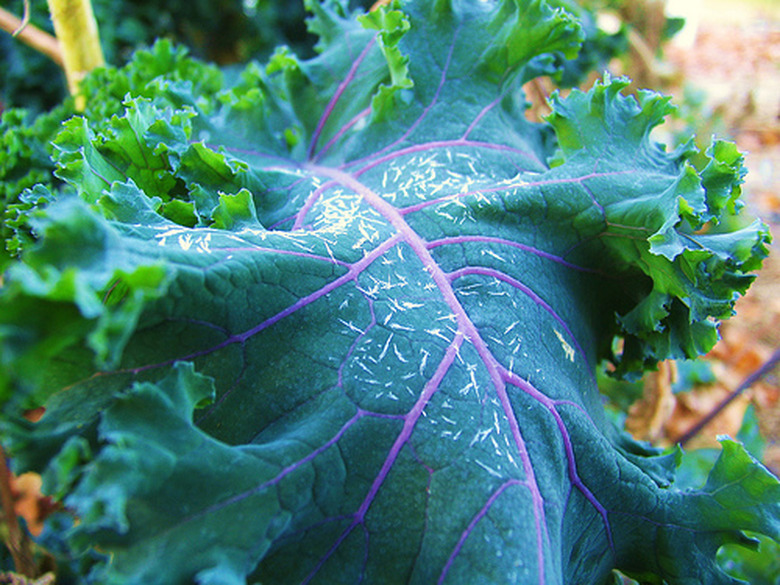
Kale is a leafy vegetable similar to cabbage, except the leaves do not form a head. Kale plants thrive in cold weather, and can produce fresh greens when other garden plants have long died. It is considered one of the most nutritious vegetables available, and is easy to grow and maintain in most home gardens. Prized for its edible leaves, kale is also used as a decorative landscape plant in some gardens. The leaves of the plant vary in color and texture depending on species, but many are deep green, red and purple in color.
Step 1
Select a planting location with well-drained soil and full sun to partial shade. Spread a 2-to-4 inch layer of organic compost over the planting site, then use a garden tiller to mix into the soil. Apply 4 cups of balanced 10-10-10 NPK fertilizer per 100 square feet of soil and work it in with the tiller prior to planting. Kale needs rich soil high in organic matter to thrive.
- Kale is a leafy vegetable similar to cabbage, except the leaves do not form a head.
- Prized for its edible leaves, kale is also used as a decorative landscape plant in some gardens.
Step 2
Plant kale from seed or transplants in fall, about three months before the last frost in your area. Space seeds or plants 12 to 18 inches apart, and plant seeds ½ inch deep. Leave 2 feet between rows to allow room for growth. Kale likes cold weather, and will produce leaves throughout the fall and winter if planted at the correct time.
Step 3
Maintain even and consistent soil moisture by providing 1 to 2 inches of water per week, only on weeks when rainfall is less than 2 inches. Kale can tolerate drought, but the quality of the leaves will suffer. Keep the soil moist throughout the growing season. Use a soaker hose if possible to conserve and regulate water, or water manually when necessary.
- Plant kale from seed or transplants in fall, about three months before the last frost in your area.
- Kale likes cold weather, and will produce leaves throughout the fall and winter if planted at the correct time.
Step 4
Apply a 1-to-2 inch layer of mulch around the base of kale plants to prevent weed growth, protect the shallow roots and conserve moisture. Mulching prevents extreme fluctuations in moisture, which can cause leaves to become tough and flavorless. Use bark mulch, grass clippings or straw for the best results.
Step 5
Fertilize kale plants about four weeks after planting to encourage leaf growth. Use 1 cup of high-nitrogen fertilizer, such as 34-0-0 NPK or similar, per 10 feet of row. Side-dress kale by applying the fertilizer about 6 inches to the side of the plant's base, and then water thoroughly to incorporate the mixture into the soil where it will be available to the plant's roots.
Step 6
Harvest kale leaves when they are large and colorful, usually two to three months after planting. Rich, green leaves with a firm texture are ready for cutting. Remove older, larger leaves first and the plants will continue to produce new, young leaves. Kale can be left in the garden during winter, and will continue to produce leaves throughout the season.
- Apply a 1-to-2 inch layer of mulch around the base of kale plants to prevent weed growth, protect the shallow roots and conserve moisture.
References
- Cornell University Vegetable Growing Guides: Kale
- Kale in the Garden
- Country Wisdom & Know-How: Everything You Need to Know to Live Off the Land; Storey Books; 2004