

How To Germinate Spinach Seeds
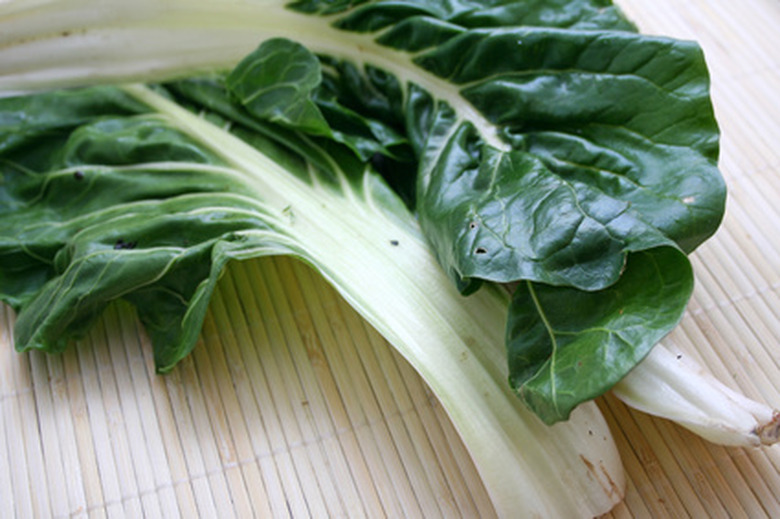
Things Needed
- Garden spade
- Compost
- Rake
When spring weather arrives to a garden, one of the first seeds a gardener sows is spinach. Wait until the soil temperature is at least 40 degrees F and then plant spinach seeds into a moist and fertile garden area. With proper growing conditions and care, spinach leaves will be ready to harvest when they are as large as you desire. Harvest tiny leaves for tender spinach or wait until the leaves are larger.
Step 1
Cultivate the garden soil early in the spring. Use the garden spade to work the soil in the planting area down to a depth of at least 6 inches. Add 4 inches of compost over the top of the soil and till the compost into the soil with the garden spade. Rake the soil surface smooth to finish preparing the garden area.
- When spring weather arrives to a garden, one of the first seeds a gardener sows is spinach.
- Add 4 inches of compost over the top of the soil and till the compost into the soil with the garden spade.
Step 2
Plant spinach seeds in rows set 1 foot apart, sowing the seeds 1 inch apart in the rows. Cover the seeds with 1/2 inch of soil and water the soil lightly immediately after planting.
Step 3
Keep the soil evenly moist while the spinach seeds germinate by watering gently to avoid disrupting the seeds in the soil.
Step 4
Thin the spinach seedlings when the spinach plants reach 1 inch in height. Pull the weakest plants to leave the spinach plants growing 4 inches apart in the rows.
Step 5
Harvest spinach when the outer leaves are at least 3 inches in length and when each plant has about six leaves. Remove the outer leaves and leave the younger leaves in the center of the plant growing for the next harvest. Harvest all the spinach you desire before the flower stalks appear (bolting) because the spinach taste quickly deteriorates after this point.
- Plant spinach seeds in rows set 1 foot apart, sowing the seeds 1 inch apart in the rows.
- Thin the spinach seedlings when the spinach plants reach 1 inch in height.
Tip
As long as you add adequate compost to the soil prior to sowing the spinach seeds, fertilization is not necessary for a bountiful spinach harvest.