

Which Flowers Symbolize Family?

Understanding the symbolism of flowers will help you create a bouquet or plant a garden filled with meaning. The symbolic meaning of flowers extends to many different emotional topics, including themes of family and love.
Although there are few flowers that specifically represent family, there are dozens of flowering plants that represent enduring love, devotion and kindness that can be added to a garden or bouquet as a testament to family bonds.
Flowers That Represent Family
A handful of flower varieties embody themes related to the family, such as devotion, maternal love and loyalty. Adding these diverse flowers to your garden will not only beautify it but will lend meaning to the space.
 Anna Blazhuk/Moment/GettyImages
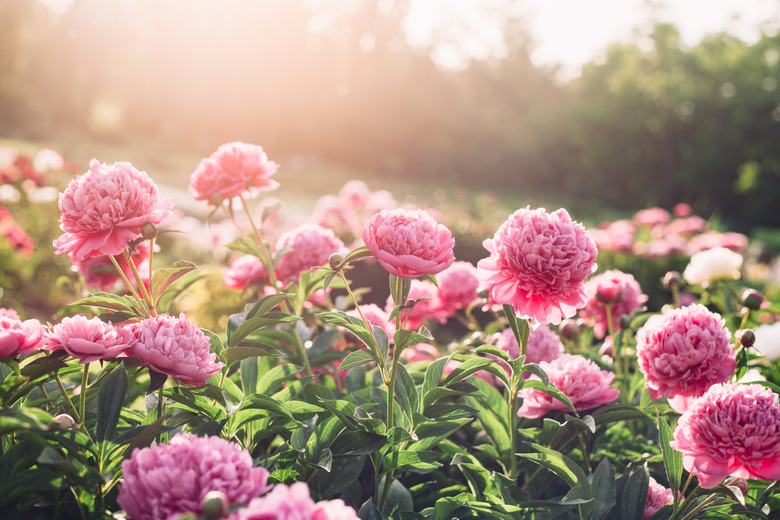
Peony
Peonies (Paeonia spp.) symbolize a happy marriage and are one of the most popular flowers that symbolize love.
These diverse flowering perennials and shrubs grow best in U.S. Department of Agriculture plant hardiness zones 3 to 8, where they are grown for their voluptuous, fragrant flowers. Peony blooms make excellent cut flowers, so they can be enjoyed in a bouquet or in the garden where they bloom.
 DiyanaDimitrova/iStock/GettyImages
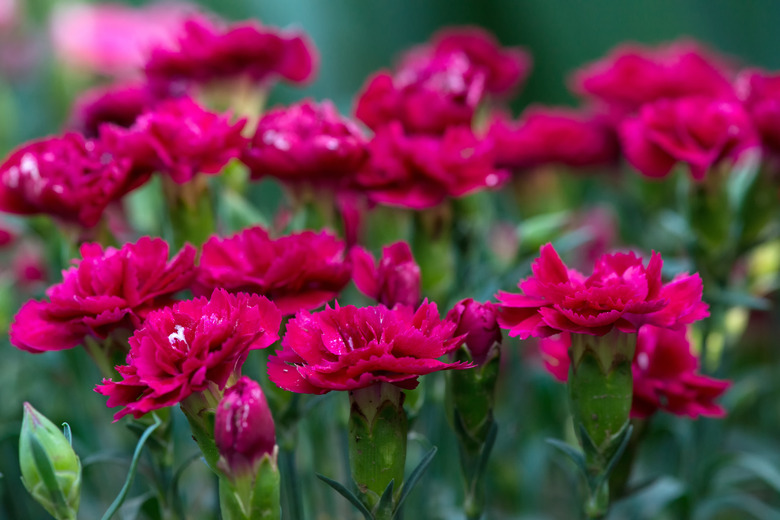
Carnation
Carnations (Dianthus caryophyllus) symbolize maternal love. They are commonly grown as annuals but will also grow perennially within USDA plant hardiness zones 6 to 9.
The flowers are dainty and have a spicy smell similar to cloves, which earned them the common name "clove pink."
 Creatikon Studio/iStock/GettyImages
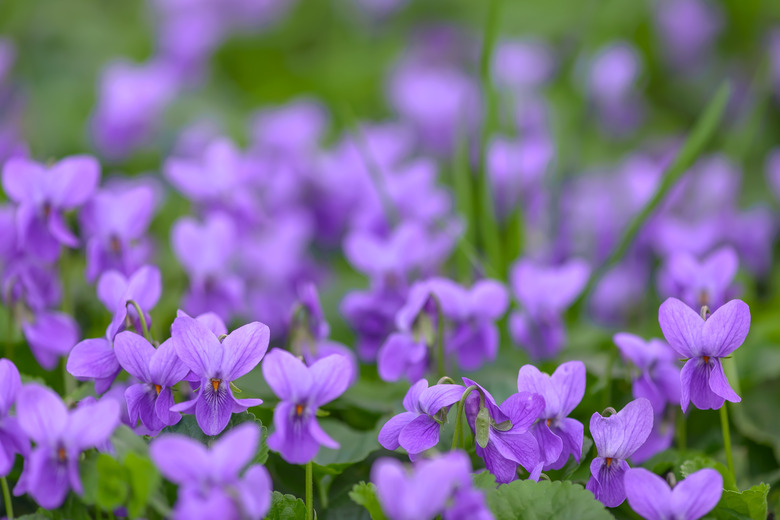
Violet
The dainty, sweet-smelling violet (Viola odorata) symbolizes loyalty and devotion, which is an ideal strongly tied to the idea of family.
Violets grow best in USDA plant hardiness zones 4 to 9, where they bloom briefly in spring and release their powdery, sweet scent into the air. These delicate plants perform best in lightly shaded gardens but will also grow well in pots.
 Nadezhda Soboleva / EyeEm/EyeEm/GettyImages
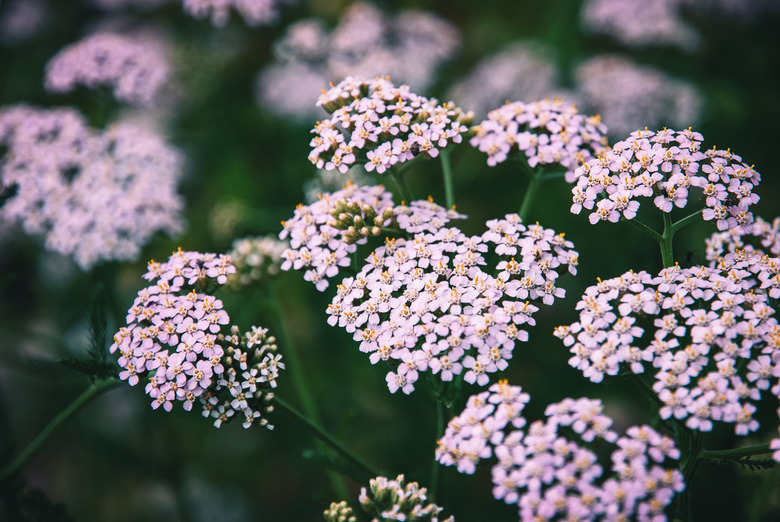
Yarrow
Yarrow (Achillea millefolium) means everlasting love in the symbolic language of flowers. It grows best in full sun and fast-draining soil within USDA plant hardiness zones 3 to 9, where it makes a low-maintenance addition to gardens.
Yarrow flowers last for weeks and will last for months when cut and hung up to dry, adding to their "everlasting" reputation.
 Alifia Geren/iStock/GettyImages
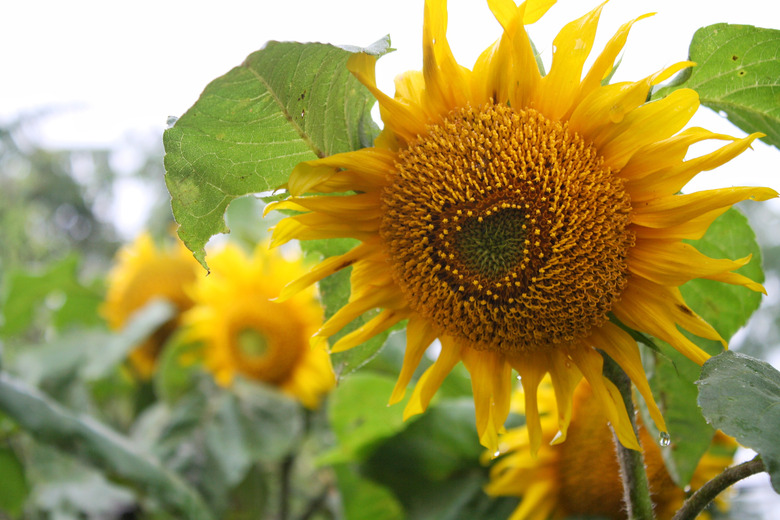
Sunflower
A flower that represents family well is the sunflower (Helianthus annuus), which holds the symbolic meanings of love, dedication and adoration. This combination of meanings makes the sunflower a suitable addition to Mother's Day bouquets and warm, sunny family gardens. Just be sure to harvest the heads before they drop their seeds or you will have a forest of sunflowers the following summer.
Greenery That Symbolizes Family
In addition to flowers, greenery also holds symbolic meaning related to family. Although it is less flashy than flowers, greenery offers a soothing counterpoint to bright blooms and can tie a garden bed or a bouquet together with its texture and color.
 Lilli Bähr / EyeEm/EyeEm/GettyImages
Ivy
Ivy varieties, such as English ivy (Hedera helix), symbolize wedded love and **fidelity,** so they are often added to wedding bouquets.
Ivy grows best in USDA plant hardiness zones 4 to 13, where it spreads rapidly throughout the garden. It is such an adaptable and resilient plant that ivy can become invasive, so it should only be grown in pots.
Warning
Ivy can cause skin irritation and allergic reactions in sensitive people, so it should be handled with care.
 lukasz1981/iStock/GettyImages
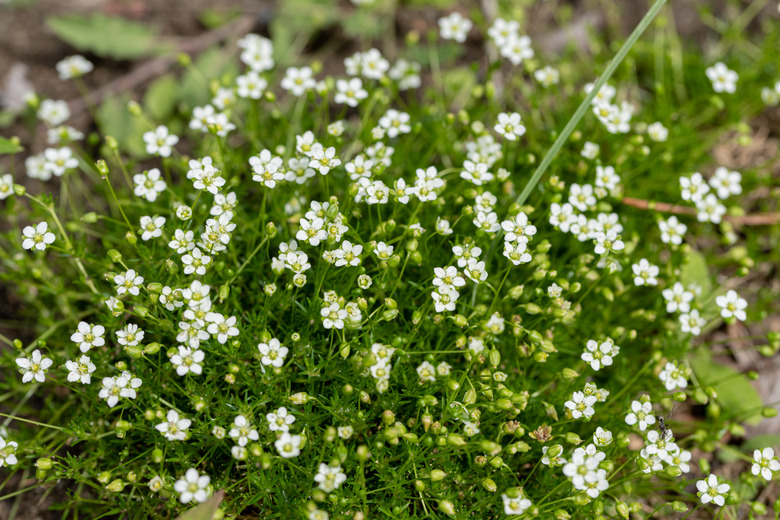
Moss
Moss varieties, such as Spanish moss (Tillandsia usneoides) and Irish moss (Sagina subulata), symbolize maternal love when used in a bouquet or in the garden.
Although these greeneries are rarely grown in gardens, Spanish moss can be cultivated in USDA plant hardiness zones 8 to 11, while Irish moss grows best in cooler areas within zones 4 to 8.
Shrubs That Symbolize Family
Shrubs can also embody family themes of domestic happiness and love in marriage. Both offer striking foliage as well as ornamental elements, such as showy berries and dainty flowers.
 Gregory Adams/Moment/GettyImages
Holly
Holly (Ilex aquifolium) symbolizes domestic happiness with its prickly, evergreen leaves and glossy red berries, which brighten the boughs during the winter months. It grows best in USDA plant hardiness zones 5 to 9, where it attracts birds, bees and other wildlife to the garden.
Holly is not without its challenges, however, as it is mildly poisonous to children and pets.
 Valter Jacinto/Moment/GettyImages
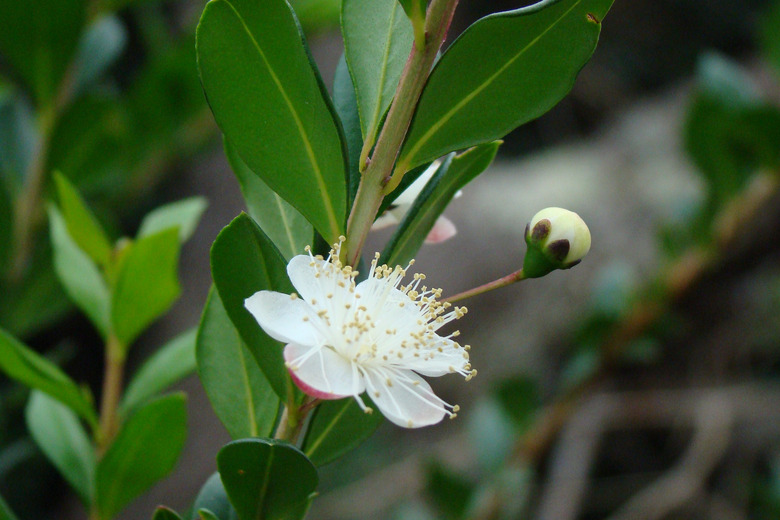
Myrtle
Sweet myrtle or common myrtle (Myrtus communis) symbolizes love in marriage, which is why it is often included in wedding bouquets.
This fragrant flowering shrub grows best in USDA plant hardiness zones 8 and 9, where it will adapt to both clay-based and sandy soil. Myrtle shrubs need little care but will bloom better if side-dressed with compost in spring.