

Lilac Bush Sizes And Varieties
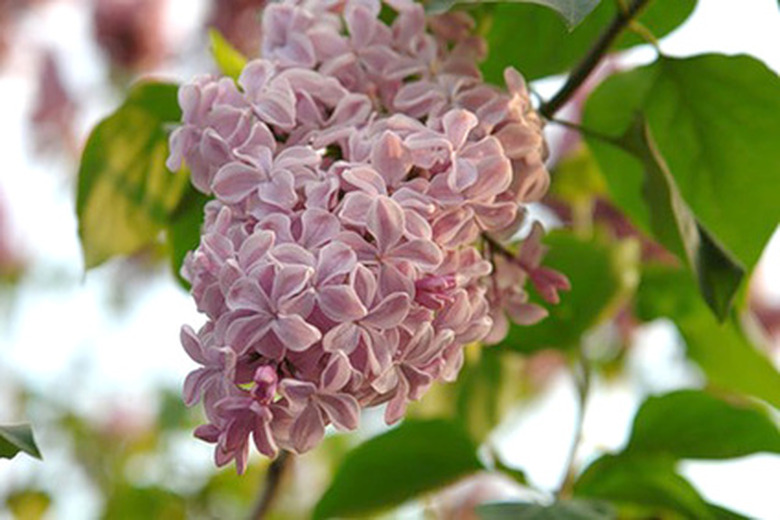
While lilac bush size depends on the species and cultivar, these popular spring-flowering shrubs for cold climates have a typical height between 4 and 20 feet.
Lilacs (Syringa spp.) are spring-flowering shrubs in the olive family grown for their panicles of fragrant blooms. Lilac flowers come in white, shades of lavender and dark purple and pink or magenta. Lilac bush sizes range from 4 to 20 feet in height depending on the species and cultivar.
Lilacs are deciduous and hardy in USDA plant hardiness zones 3 to 9. They grow best in cool climates.
Large Lilac Bush Varieties
If you have the space, consider planting lilac bushes as a statement in your garden. Here are some widely grown large lilac options.
 ИринаЯ
Common Lilac
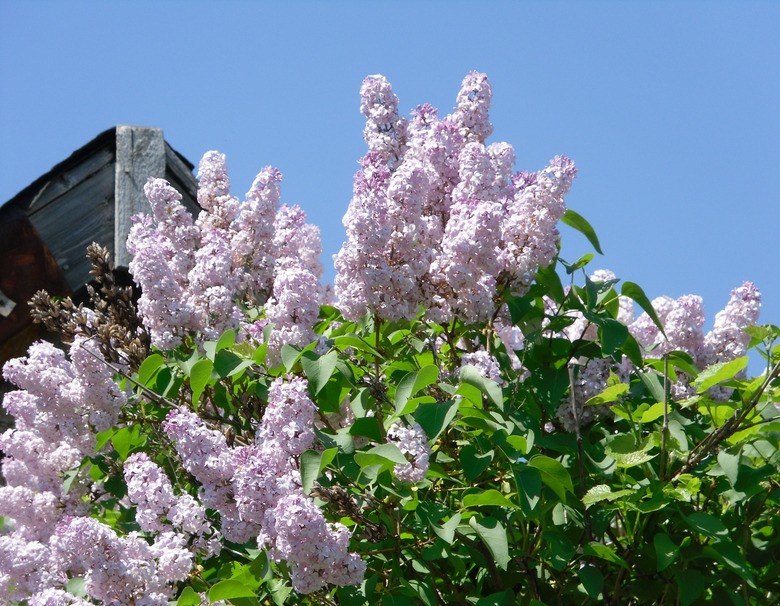
Native to southeastern Europe, the common lilac (Syringa vulgaris, zones 3 to 7) has a height of about 15 feet and a spread between 8 and 12 feet. It grows as a shrub or a small tree. This species blooms in May, which is considered late spring.
Tip
The common lilac, of which there are cultivars in many colors from which to choose, has a height of about 15 feet.
 Arquus
Japanese Tree Lilac
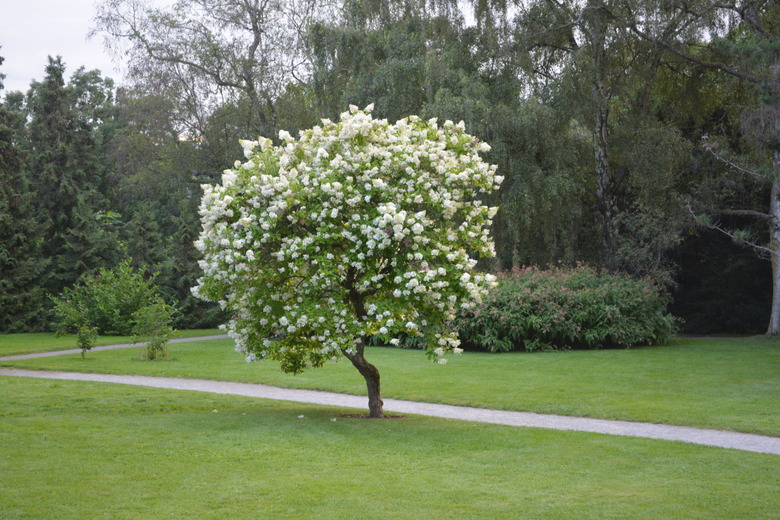
One of the largest lilac varieties is the Japanese tree lilac (Syringa reticulata, zones 3 to 7). Japanese tree lilac size is usually about 20 feet in height, though they can grow taller, with spreads between 15 and 20 feet. This species blooms in early summer, which is later than most other lilac species. The species plant produces white flowers.
Medium-Size Lilac Bushes
Some lilac species have a maximum height between 8 and 12 feet. Let's look at some examples of these medium-size lilacs.
 David J. Stang
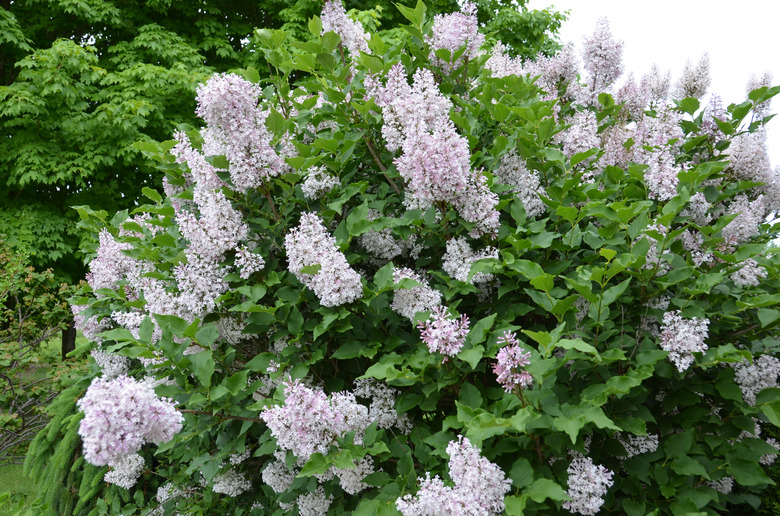
Broadleaf Lilac
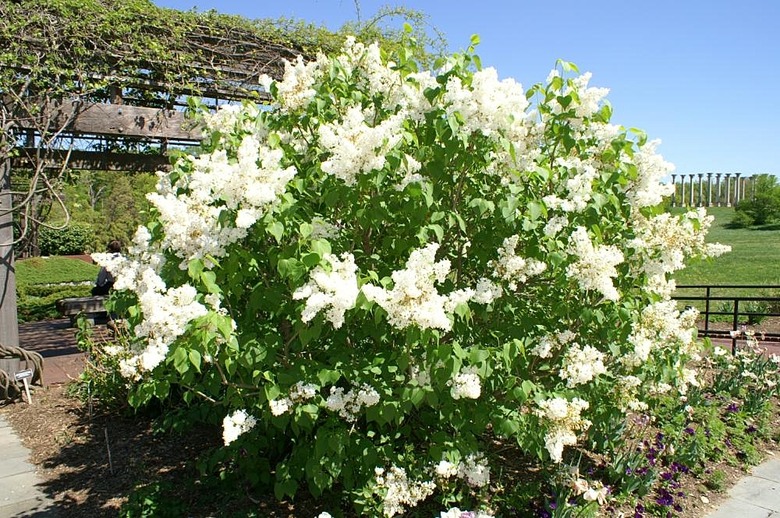
The broadleaf lilac (Syringa oblata, zones 4 to 7) has a height of up to 12 feet and spreads between 8 and 12 feet. This species is native to China and Korea. It is also known by the common name "early lilac" because it blooms in early spring before most other lilacs, usually starting in April.
 F.D.Richards
Manchurian Lilac
The Manchurian lilac (Syringa pubescens subsp. patula, zones 3 to 7) is a medium-size lilac shrub with a height between 8 and 10 feet and spreads between 6 and 8 feet. The Miss Kim lilac (Syringa pubescens subsp. patula 'Miss Kim') is a popular cultivar. It has dark green leaves that turn a burgundy red in the fall.
Compact Lilac Bushes
If you are working with a small space in your garden but still want to grow lilacs, these are some compact types of lilac bushes to consider.
 F. D. Richards
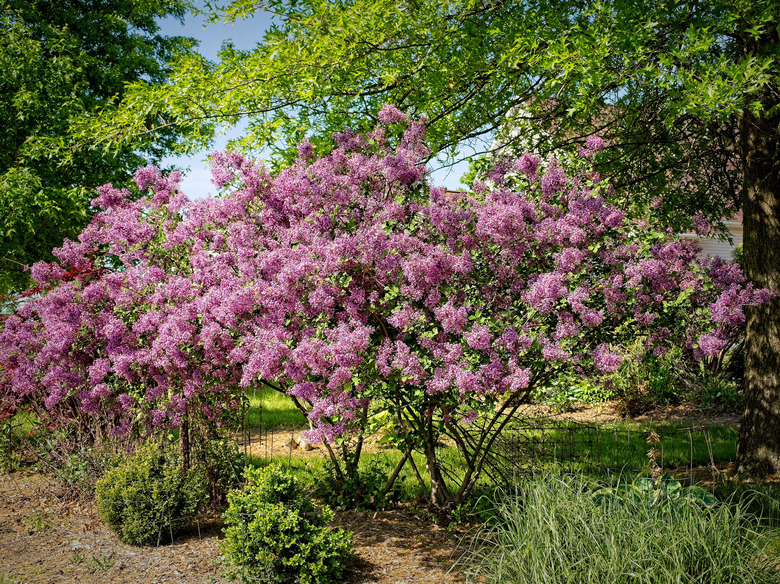
Bloomerang Lilac
While most lilacs bloom just once during a growing season, the Bloomerang lilac (Syringa 'Penda' Bloomerang), a reblooming hybrid variety, blooms in the spring and a second time from summer to frost. This is a compact type of lilac, with a typical height and width of about 5 feet. Flower color tends to be darker during the second bloom, which is less profuse than the first.
Tip
Compact lilacs have a height of around 5 feet or less.
 Captain-tucker
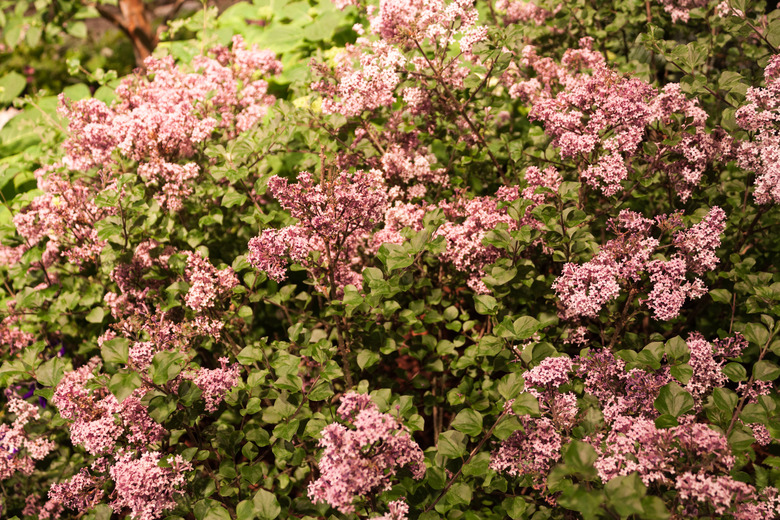
Korean Lilac
Also known as the Meyer lilac, the Korean lilac (Syringa meyeri, zones 3 to 7) has a height between 5 and 8 feet. The species plant, however, is not commonly sold. The most common cultivar of this lilac is Palbin (Syringa meyeri 'Palbin,' zones 3 to 7), which has a height of about 5 feet and is therefore a good choice for small spaces.
References
- North Carolina State Extension: Syringa vulgaris
- North Carolina State Exension: Syringa pubescens subsp. patula 'Miss Kim'
- North Carolina State Extension: Syringa oblata
- University of Nebraska-Lincoln Horticulture, Landscape, and Environmental Systems: Lilac
- Missouri Botanical Garden: Syringa oblata
- Missouri Botanical Garden: Syringa reticulata
- University of Illinois Extension: Manchurian Lilac
- North Carolina State Extension: Syringa 'Penda' BLOOMERANG®
- Missouri Botanical Garden: Syringa meyeri