

Grass & Weed Killer That Works In Cold Temperatures
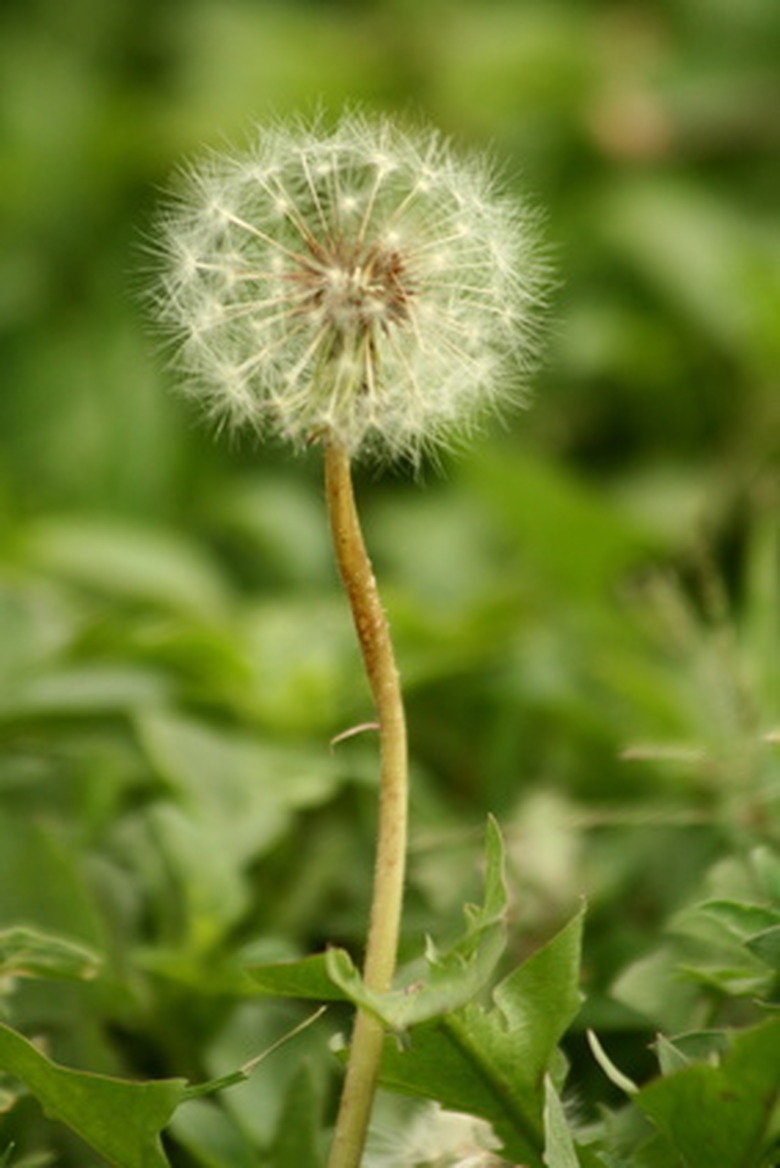
Though crabgrass and weed killers can simplify garden cleanup, many lose their effectiveness when used in the cool spring weather that many weeds find ideal for germination. You can look for chemicals that work at lower temperatures or you can turn to a class of weed killers known as pre-emergence herbicides. These prevent seeds from sprouting for four to six weeks and can be applied early in spring.
Herbicide Types
Herbicides are divided into pre-emergence and post-emergence types, those that prevent weed seeds from sprouting successfully and those that kill the weed plant itself. Post-emergence weed killers can also be divided selective herbicides, those that act on certain plants but not on others, and non-selective herbicides, those that destroy any plant they contact. Some herbicides are also absorbed by the leaves and then spread throughout the plant, effective on all parts, including the roots.
Considerations
Pre-emergence herbicides are only effective if present when seeds germinate, so they must be applied before the most common weeds sprout. They can be spread as early as February, but read the label on the product for specific instructions.
- Though crabgrass and weed killers can simplify garden cleanup, many lose their effectiveness when used in the cool spring weather that many weeds find ideal for germination.
Post-emergence herbicides are most effective when weeds are young and actively growing, but their action may be weaker in cool weather. They need to stay on the leaves for at least 24 hours for maximum absorption, so rainy spring days may interfere with their effectiveness.
Cool Weather Effects On Herbicides
Low temperatures may change the effects of an herbicide, causing damage to crops or ornamental plantings that are normally immune, but without noticeable extra injury to the weeds.
Herbicides To Consider For Cool Weather
Diquat is a non-selective herbicide that is not temperature sensitive. It gives good control on small annual weeds but will not kill larger weeds or those with perennial root systems. It also has a higher toxicity to mammals than other weed killers such as Roundup.
Table salt can be used to kill weeds at any temperature, but be aware of its potential to injure any roots beneath the soil surface, including those of trees and shrubs. It will persist in the ground until washed away by rain or irrigation.
- Post-emergence herbicides are most effective when weeds are young and actively growing, but their action may be weaker in cool weather.
- Low temperatures may change the effects of an herbicide, causing damage to crops or ornamental plantings that are normally immune, but without noticeable extra injury to the weeds.
Warning
All herbicides are toxic, so avoid contact with your skin and avoid breathing the vapor. Wear protective clothing and a face mask and always read and follow all instructions on the label.