

How To Save Seeds In A Vacuum Seal In The Freezer For Long-Term Storage
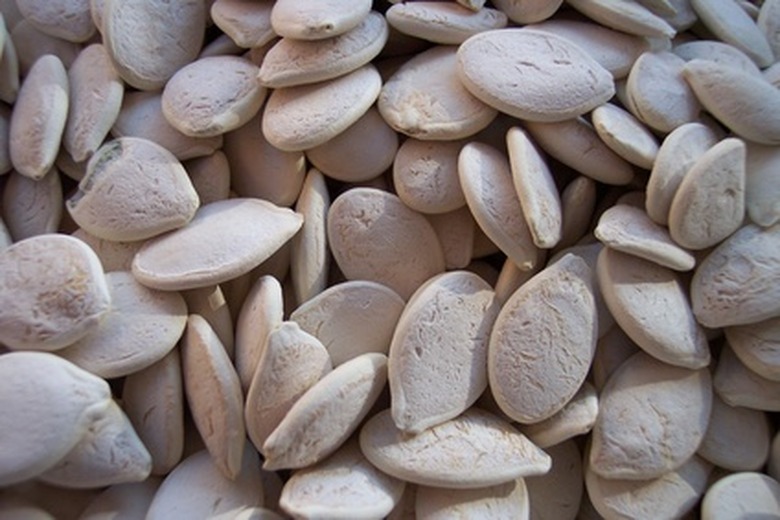
A vacuum sealer is a kitchen appliance that allows the user to remove most, if not all, air from a package. Most people think of vacuum sealers as useful for food, but in reality, they can help preserve and protect a wide variety of items, from silverware to important paperwork to saved garden seed. Freezing saved seed after it has been vacuum packed will kill any microorganisms found in the seed and allow for long-term storage.
Step 1
Ensure that the seeds you want to preserve are completely dry and ready to be stored. You can do this by placing the seed on a cookie sheet and placing the seed in a hot sunny location for six to eight hours.
Step 2
Place the dried seed into envelopes and seal. Label the envelope with the date and type of seed.
- A vacuum sealer is a kitchen appliance that allows the user to remove most, if not all, air from a package.
- Most people think of vacuum sealers as useful for food, but in reality, they can help preserve and protect a wide variety of items, from silverware to important paperwork to saved garden seed.
Step 3
Place the envelope in a prepared vacuum sealer bag.
Step 4
Place the open end of the vacuum sealer bag into the sealing apparatus of your vacuum sealer. Allow the sealer to vacuum out excess air and seal the seed package.
Step 5
Place the seed packages in the freezer. While stored seed at room temperature may remain viable for up to a year, vacuumed sealed frozen seed will have a much longer shelf life.
Save Seeds In A Vacuum Seal In The Freezer For Long-term Storage?
Spread out the seeds on cookie tins with space between each seed, using a different cookie tin for each type of seed so they don't get mixed together. Place the tin in the oven and turn it on to the lowest possible setting to dry the seeds. Stir the seeds every hour to encourage even drying. Put each group of seeds into its respective bag. Repeat the process with the other bags.
- Place the envelope in a prepared vacuum sealer bag.
Things Needed
- Envelopes
- Markers
- Vacuum sealer
- Vacuum sealer bags
- Seeds
Tip
When creating vacuum seal bags for seed storage, use the smallest possible package.
References
- "Food Savers Professional II User's Manual" (User guide that came with my vacuum sealer)
- Purdue Extension: Storing Leftover Garden Seed
- Ready Nutrition: Vacuum Sealing for Long Term Food Storage