

The 10 Interesting Facts About Anemone Flowers
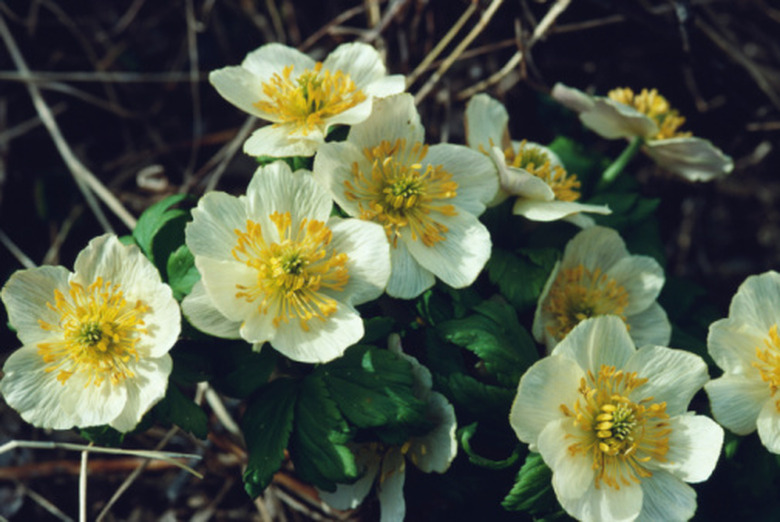
In many regions of the world, the diminutive anemone flower is considered to be a harbinger of spring, which, according to Swedish botanist Carl Linnaeus, coincided with the return of the swallow. The anemone's star-shaped flowers blanket woodland forests in a carpet of white, and when the wind blows, the spent petals drift away in the breeze. It's sometimes hard to wrap your tongue around this plant's botanical name; and perhaps that's why at least one species used to be known by names such as smell fox and crowfoot.
Names, Symbols and Superstitions
The anemone is sometimes called the windflower. That's because it's name is derived from the Greek word for wind: anemos. In China, the anemone has a not-so-romantic moniker: flower of death. The anemone didn't fare much better in Egypt, where the flower was considered to be a symbol of sickness. In Rome, however, anemones were used as talismans to prevent fevers.
- In many regions of the world, the diminutive anemone flower is considered to be a harbinger of spring, which, according to Swedish botanist Carl Linnaeus, coincided with the return of the swallow.
- The anemone didn't fare much better in Egypt, where the flower was considered to be a symbol of sickness.
Species
More than 100 species of anemones have been identified worldwide. These perennial plants grow from tubers and, while they do flower, are technically in the herb category. Anemones are typically white, deep red or blue; yellow anemones exist but are not common.
Poisons and Medicines
Anemones can be used for hurting or for healing. The Anemone nemorosa plant is poisonous. When in bloom, the entire plant of the Anemone pulsatilla variety can be made into a tincture used to provide relief from ailments such as menstrual cramps.
Scent and Sensibility
The showy anemone is all about its looks — it doesn't have a scent, nor does it have any honey. Bees aren't attracted to it, so it has to rely on other insects to stumble upon it for fertilization. The buttercuplike blooms turn their faces up toward the sunshine, but when night falls, these smart plants bow their tender heads to keep the rain from dripping on the undeveloped seed pods inside. And, if you believe the folklore, fairies also hide inside.
- More than 100 species of anemones have been identified worldwide.
- When in bloom, the entire plant of the Anemone pulsatilla variety can be made into a tincture used to provide relief from ailments such as menstrual cramps.