

What Makes Plants Grow Taller?
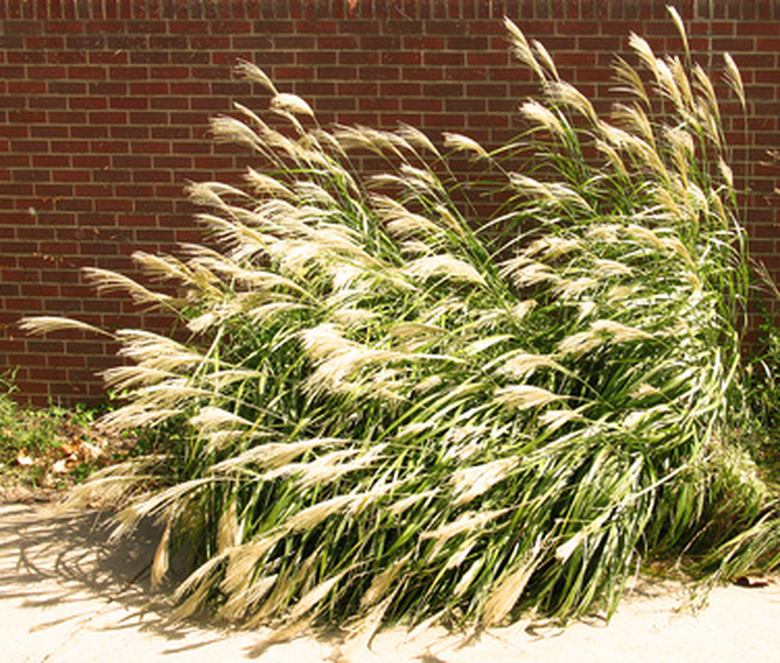
Plants within the same species grow to differing heights for several reasons. Provide the best possible growing conditions to see your plants reach their fullest possible height. Consider the type of plant with which you are dealing and whether you should choose a different variety to meet your gardening needs. All plants have certain basic requirements, but there are several steps you can take beyond this to encourage maximum growth and taller plants.
Basics
Make plants grow taller by ensuring that their basic needs are being met. This includes water, sunlight, warmth and nutrients. Research the needs of your particular plant and provide these elements in the necessary amounts for optimum growth. Plants such as chrysanthemums and swamp sunflower grow taller in partially shaded areas while others such as southern blue flag require full sun to reach maximum height. Plants grow in poor soil, undesirable locations or without adequate water all the time, but they never reach their full height under such conditions.
- Plants within the same species grow to differing heights for several reasons.
- All plants have certain basic requirements, but there are several steps you can take beyond this to encourage maximum growth and taller plants.
Nutrients
Different plants require different amounts of nutrients, but all plants need them. Research your plant species to determine its unique characteristics in this area. Choose fertilizer accordingly and apply regularly per instructions. Even plants already growing well show noticeable improvement with the regular use of fertilizer. The more nutrients plants have to use, the bigger and healthier they become. Overfertilizing causes its own set of problems such as reduced tolerance to drought and insect damage, so don't overdo it.
Species
Some plants naturally grow taller than others and you may even find specific varieties within a species that have been bred for more height. If you are trying in vain to make certain plants grow taller for a specific look or effect in your garden, consider switching gears and trying an alternate plant instead. Ferns grow significantly taller than many other plants due to their advanced vascular structure which allows nutrients and water to reach the uppermost portions of the plants. Also, consider switching from plant to shrub or shrub to tree to gain height and depth in the yard.
- Different plants require different amounts of nutrients, but all plants need them.
- Some plants naturally grow taller than others and you may even find specific varieties within a species that have been bred for more height.
Diseases
Some diseases result in smaller, weaker plants. Stunting or dwarfing are terms used to describe the effect certain diseases have on plants, causing them to be shorter or smaller overall. Several diseases such as root rot fungi and tobacco mosaic virus make plants grow poorly. Solve these problems on an individual basis depending on the plant and suspected disease. Use fungicides, choose resistant plant species and remove dead or infected plants as necessary to correct disease conditions.
Maintenance
Grow taller plants by maintaining an optimum environment. Some plants need thinning to avoid competing for nutrients and crowding the root systems of each other. Weed the garden regularly to avoid the same types of problems. When plants have space to grow full and deep root systems in nutrient-rich soil, they reach their maximum potential height more often.
- Some diseases result in smaller, weaker plants.