

Cypress Mulch Vs. Cedar Mulch
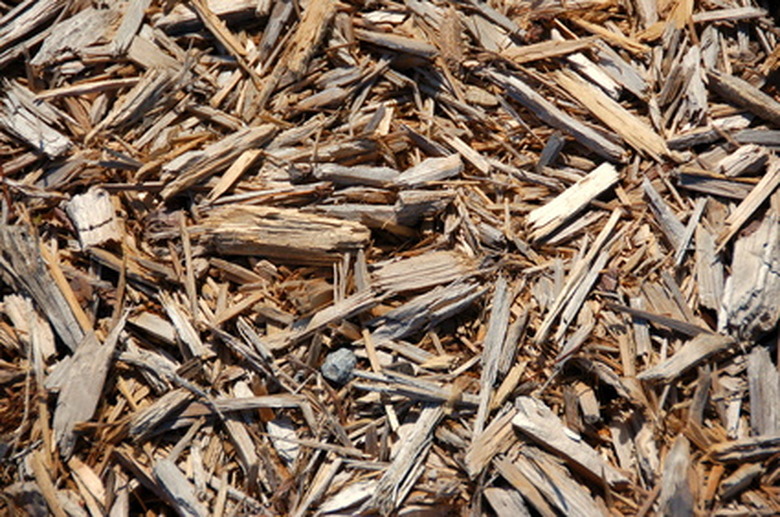
Mulch has been in use for hundreds of years, and comes in many forms. In recent years, mulches of cypress and cedar have risen in popularity and are used in the majority of landscaping projects. Both cypress and cedar mulch have benefits and drawbacks. Know about the mulch you choose.
What Is Mulch?
Mulch is any number of materials that are placed in flower beds, or around shrubbery and trees. Its purpose is to retain moisture, discourage the growth of weeds, and add a pleasing appearance to the landscape.
Types of Mulch
Many gardeners use dead leaves as mulch. Others use pine needles or hay. Pine bark is another type of mulch, as well as cypress, cedar, and even recycled rubber chips.
- Mulch has been in use for hundreds of years, and comes in many forms.
- Pine bark is another type of mulch, as well as cypress, cedar, and even recycled rubber chips.
Cypress Pros
A 3-inch thick layer of cypress mulch is an effective weed control method when applied around plants. It also adds a natural finishing touch to your flower beds, lending a tasteful and appealing appearance.
Cypress Cons
In the late 1800s, cypress trees were vigorously harvested. By the early 1900s there were not any old-growth cypress forests remaining. Every cypress tree that is harvested further reduces the ability for the old-growth cypress to rebound. In addition, cypress mulch actually repels water, which means less water reaches the roots of the plants which the mulch surrounds.
Cedar Pros
Cedar mulch is an effective insect repellent. The aroma cedar produces actually comes from the oil in the cedar tree, and is distasteful to bugs. Also, cedar is a useful weed inhibitor when placed in flower beds, around shrubs, or around trees.
- A 3-inch thick layer of cypress mulch is an effective weed control method when applied around plants.
- Also, cedar is a useful weed inhibitor when placed in flower beds, around shrubs, or around trees.
Cedar Cons
Although it is true that cedar mulch repels insects, it also repels insects that are helpful to your plants, such as ladybugs. In addition, due to the hardness of cedar, it does not break down and decompose quickly. This makes it more prone to mold growth in wet conditions.