

The Best Time To Apply Weed Killer
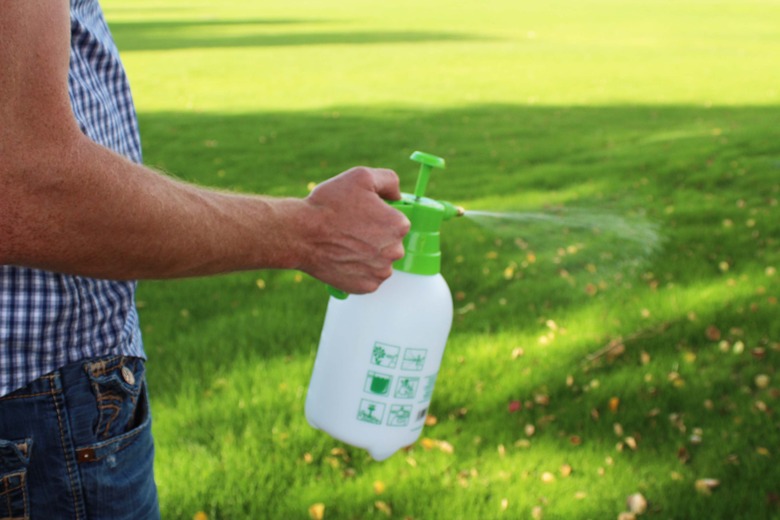
Just as there are many types of grass, there are many types of weeds. Some are perennial, some are annual and some are summer annual. Different types of weed killers are used for each, and should be applied at different times. Determine the type of weed you are treating to ensure the best selection of weed killer and the proper time to apply it.
Just as there are many types of grass, there are many types of weeds. Some are perennial, some are annual and some are summer annual. Different types of weed killers are used for each, and should be applied at different times. Determine the type of weed you are treating to ensure the best selection of weed killer and the proper time to apply it.
Weed Types
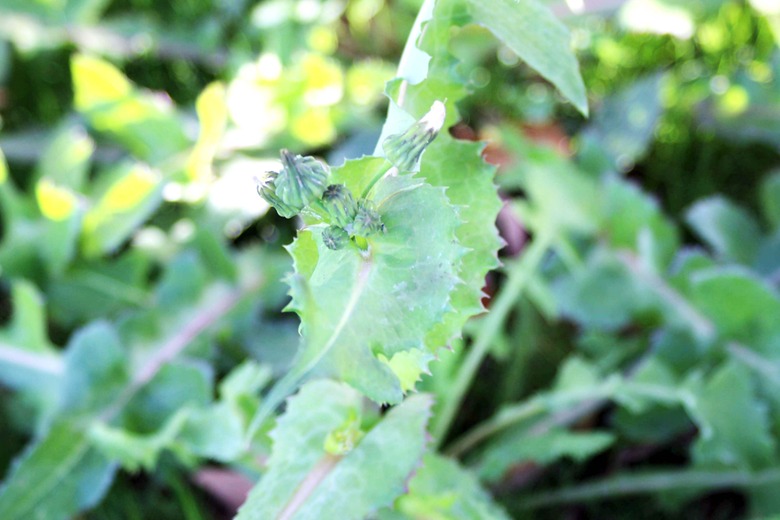
Perennial weeds have a life span of two years, but are capable of producing seed every year. In the first year, biennial weeds develop the plant and store nutrients so they can produce seed the second year. Annuals weeds grow from seed, and flower and produce seeds within one year. Summer annuals grow in the spring, reaching maturity in the fall, while winter annuals germinate in the autumn, reaching maturity in spring.
- Just as there are many types of grass, there are many types of weeds.
- Perennial weeds have a life span of two years, but are capable of producing seed every year.
Preemergence Weed Control
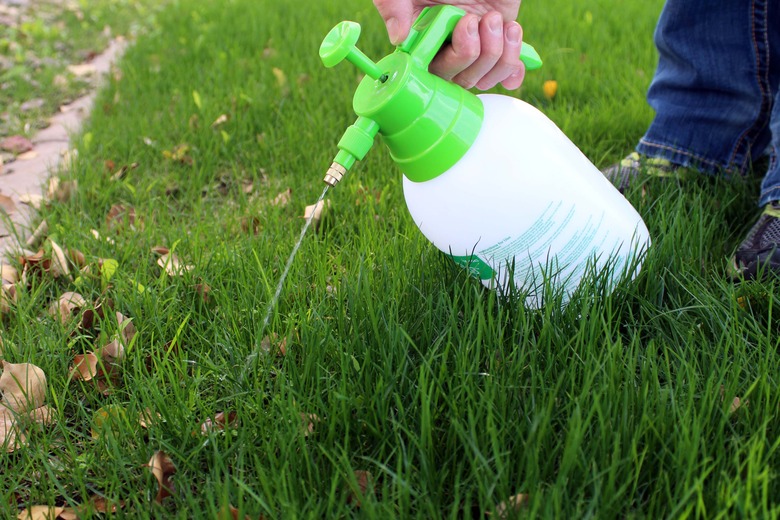
Preemergence weed control kills weeds before they emerge. It works during the germination process of weeds. This makes it most effective for annul weeds that must germinate every year. Apply the weed control between mid April and early May, depending on your location. Apply the herbicide early if you are farther south, and later if you are farther north. Water the herbicide within three days of its application. Depending on the type and amount used, a second application four weeks later may be required for full coverage. For cool-weather germinating weeds such as chickweed, shepherd's purse and speedwell, apply the weed control in mid-September. Knotweed germinates later in winter and requires treatment in November to prevent germination. If annual bluegrass is the problem weed, apply preemergence herbicide in mid-August to prevent germination.
- Preemergence weed control kills weeds before they emerge.
- For cool-weather germinating weeds such as chickweed, shepherd's purse and speedwell, apply the weed control in mid-September.
Postemergence Weed Control
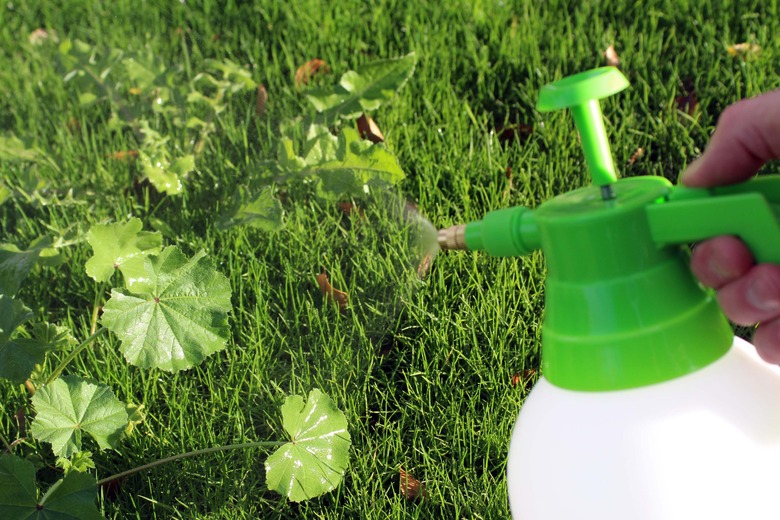
Postemergence weed control works on young weeds, or those that are actively growing. Effective on broadleaf weeds and perennial grass weeds as well as annual weeds that weren't treated or stopped by preemergence herbicides, postemergence weed control should be applied in the summer when temperatures are higher than 70 degrees F, but do not exceed 85 to 90 degrees F. Apply the weed control every one to two weeks, or in accordance with the directions on the package as long as the temperatures are acceptable. Discontinue mowing for several days prior to application. Do not water the lawn for 24 hours before and after the application.
Perennial Grasses
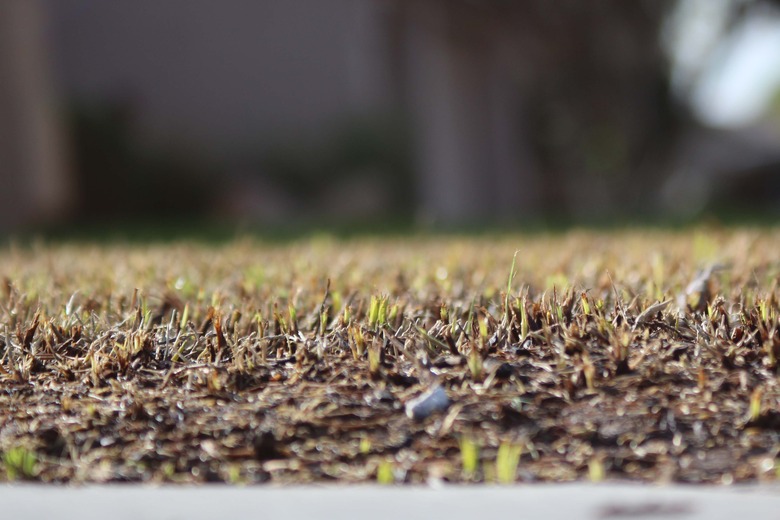
If you are trying to control perennial grasses, such as tall fescue growing in a lawn of zoysia, you will have to kill the whole lawn and reseed. Herbicides that kill perennial grasses are not selective, and will kill all growth. Spread seed seven days after the herbicide was applied to restart lawn growth. Spread herbicides such as glyphosate on any warm, windless day to prevent it from spreading to areas that could also be damaged.
- Postemergence weed control works on young weeds, or those that are actively growing.
- Effective on broadleaf weeds and perennial grass weeds as well as annual weeds that weren't treated or stopped by preemergence herbicides, postemergence weed control should be applied in the summer when temperatures are higher than 70 degrees F, but do not exceed 85 to 90 degrees F. Apply the weed control every one to two weeks, or in accordance with the directions on the package as long as the temperatures are acceptable.
Broadleaf Weeds
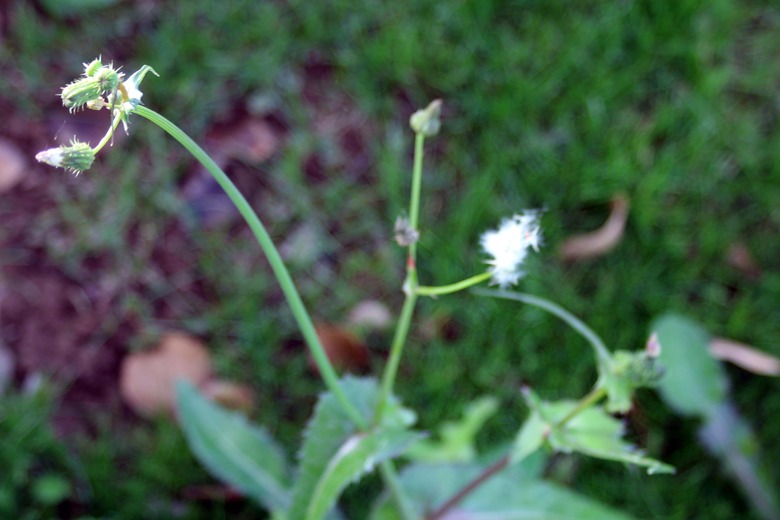
Broadleaf weeds include dandelions. Apply weed control when temperatures are between 65 and 80 degrees F. Avoid mowing for several days before and after application. The soil should be moist at the time of application; do not apply water for at least 24 hours to allow the herbicide to work to its fullest extent. This can be done throughout spring, summer and fall, as long as the referenced conditions are met.