

Aloe Vera Plants & Animals
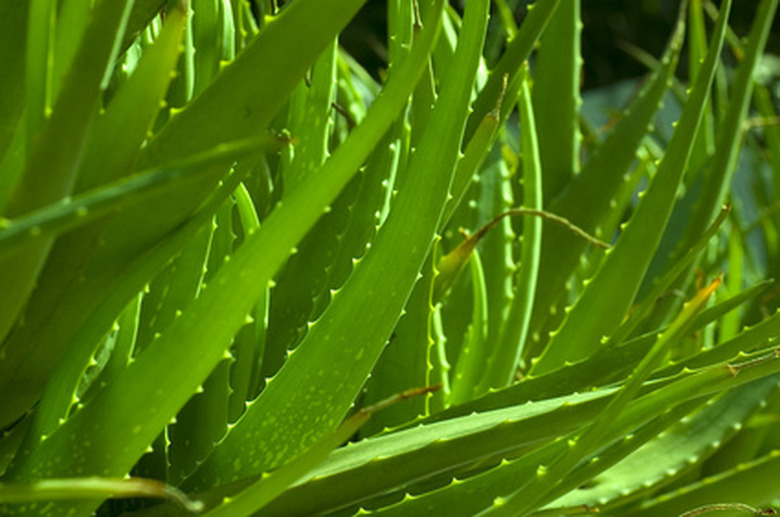
The ancient Egyptians knew all about the medicinal properties of Aloe Barbadensis Miller, one of more than 240 species of the aloe vera plant. Aloe vera is a succulent and native to Africa. It is a common source of home remedies for burns, for example. The potential effects of aloe vera on animals, though, is a subject of ongoing debate.
Dogs And Cats
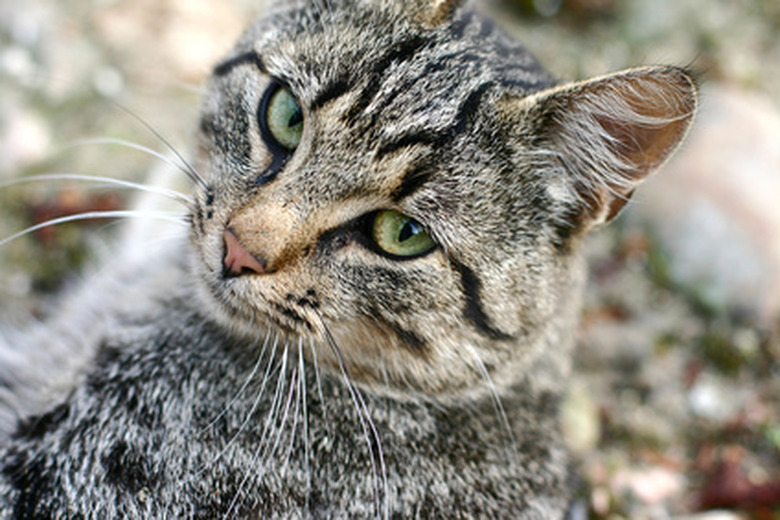
Aloe vera contains saponins, toxic substances that have the same effect as a poison for dogs. According to the Vets Info website, if a dog eats the leaves and gel of an aloe plant, there are certain effects to watch for: darkened urine, depression, diarrhea, muscle spasms and weight loss. Of course, if you suspect that your dog has ingested any part of an aloe plant, take it to the vet immediately for prompt treatment. Aloe vera is also poisonous for cats, according to The Cat Fanciers' Association.
- The ancient Egyptians knew all about the medicinal properties of Aloe Barbadensis Miller, one of more than 240 species of the aloe vera plant.
- According to the Vets Info website, if a dog eats the leaves and gel of an aloe plant, there are certain effects to watch for: darkened urine, depression, diarrhea, muscle spasms and weight loss.
Aloe For Animals
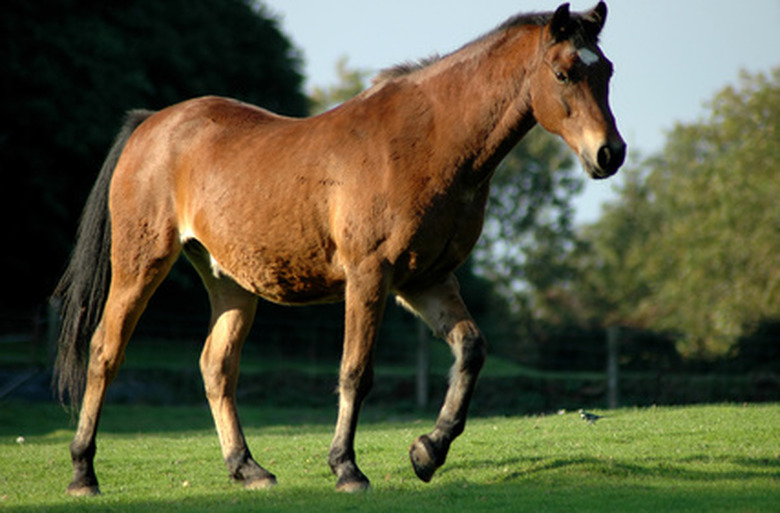
There are aloe preparations available specifically for animals. These products include aloe vera gel, liquid soap, shampoo, crème, tooth gel, sunscreen, pollen tablets and heat lotion. They are for dogs, cats, rabbits and horses, among other animals.
Juice Benefits
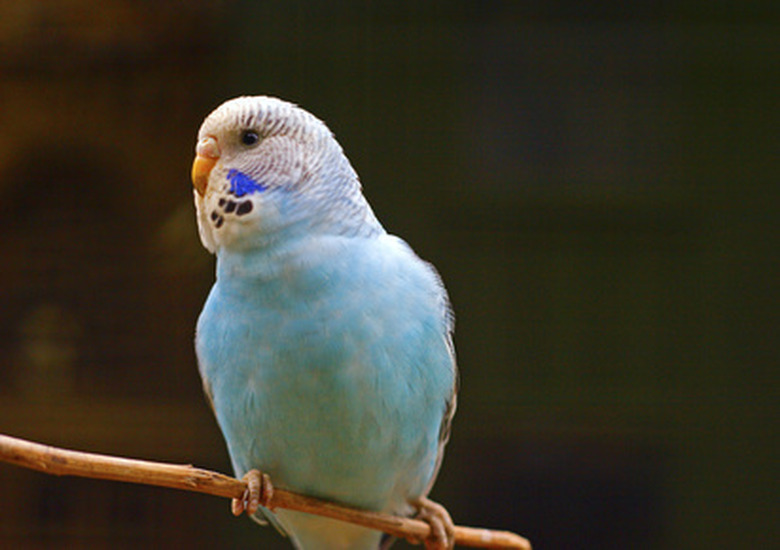
The juice of the aloe vera plant is of benefit to birds, according to Avianweb.com. The website describes how owners provide small pieces of fresh aloe to their birds that feed on it. Some birds, though, may have a different reaction. The advice is to spray the aloe on one of your fingers and touch the bird's foot with that finger. Watch to see whether there's an adverse reaction to the aloe in the next 24 hours.
- There are aloe preparations available specifically for animals.
- The juice of the aloe vera plant is of benefit to birds, according to Avianweb.com.
Desert Food
The gel is the most nutritious part of the aloe vera plant. By contrast, the skin and the sap have a very bitter taste and are not appealing as food. This protects the aloe plant from foraging animals in the desert. As an experiment, if you cut a piece of aloe and leave it on the ground in the desert, it's likely animals will consume the gel, just not the skin and sap, according to the Aloe Vera Gel Info website.
The Roadrunner's Pick
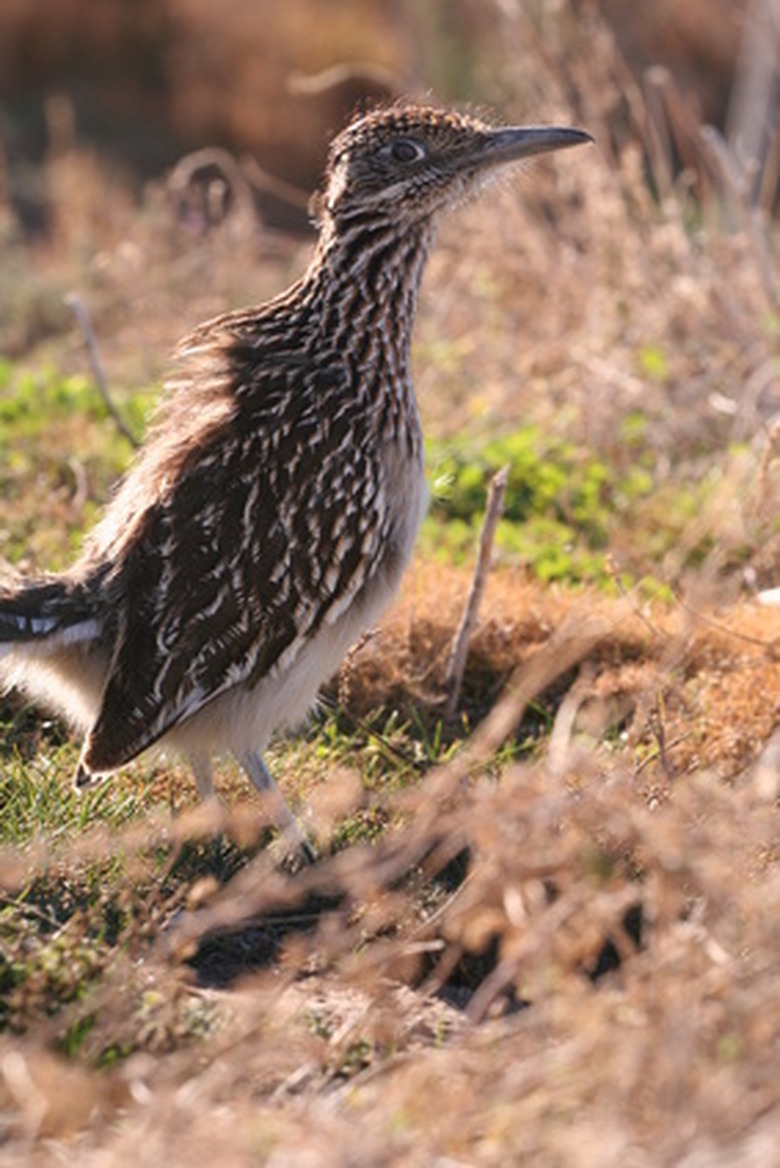
An online report of studies of aloe vera plants conducted by Warren Laboratories of Abbott, Texas, included observing the actions of the roadrunner as it drank the juice of selected aloe vera plants. The roadrunner favored a particular variety of aloe vera, namely Aloe Barbadensis Miller, and not many other available aloe plants. The bird's peck marks on only this species was confirmation of the roadrunner's preference.
- The gel is the most nutritious part of the aloe vera plant.
- An online report of studies of aloe vera plants conducted by Warren Laboratories of Abbott, Texas, included observing the actions of the roadrunner as it drank the juice of selected aloe vera plants.