

Jade Plants & Cats
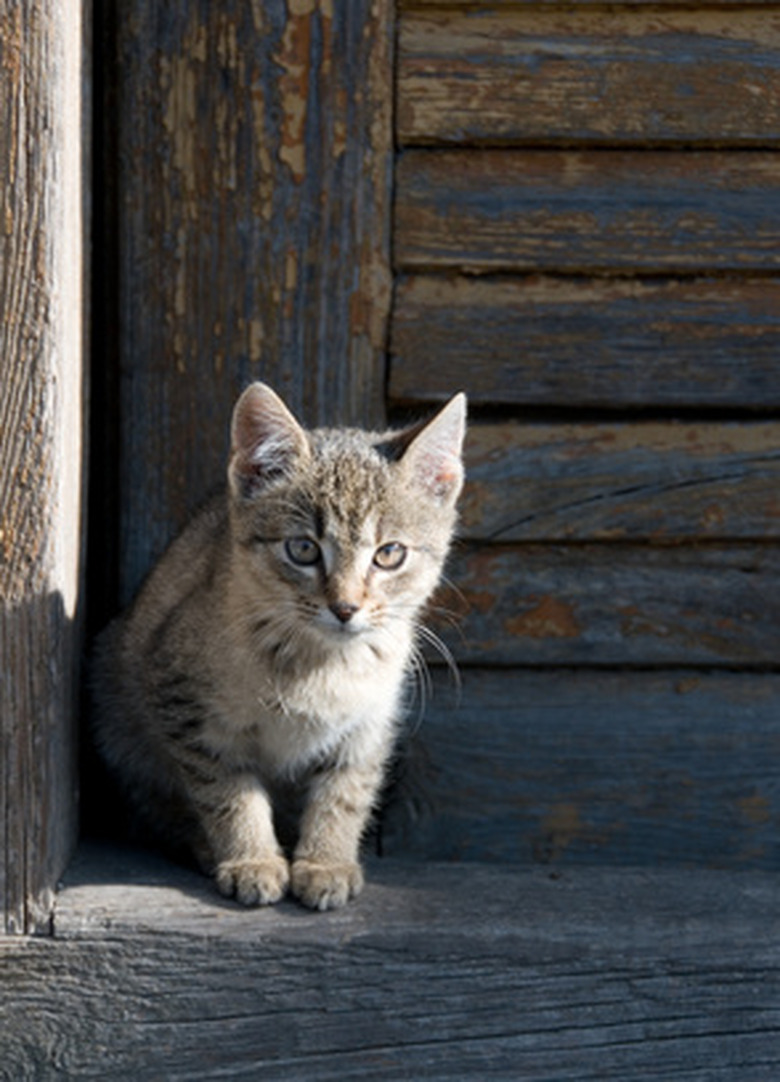
Jade plants (Crassula species) make a low-maintenance addition to the home garden with their ease of growth. However, for the home gardener with cats, the jade plant poses a danger to your pets. Familiarize yourself with the potential harm jade may cause your pet cat and take care to keep your animals safe.
Jade Identification
The jade plant is a succulent, sturdy plant that displays "fleshy" blue-gray or deep green leaves that are sometimes colored with red borders, according to the Clemson University Extension. Jade plants produce clustered flowers in pink or white along with tree-like branches. These succulents reach a height of up to 5 feet.
Cat Attraction
Cats are naturally curious animals that chew on any type of plant, including jade plants, for a variety of reasons. Cats experiencing stomach problems instinctively chew on grass or other plant parts as a soothing behavior. Additionally, bored or hungry cats seek entertainment and food when it is not provided. Provide your cats with the regular feedings they need, as well as a variety of toys to keep them occupied and away from your jade plants. To prevent attraction to your jade plants, consider purchasing a repellent that keeps pets away from plants with an unpleasant odor, according to the Arizona Cooperative Extension. For a home remedy, a natural malodorous option includes rubbing raw onion on areas around the plant.
- Jade plants (Crassula species) make a low-maintenance addition to the home garden with their ease of growth.
- To prevent attraction to your jade plants, consider purchasing a repellent that keeps pets away from plants with an unpleasant odor, according to the Arizona Cooperative Extension.
Cat Toxicity
Jade plants are toxic to both cats and dogs, according to the American Society for the Prevention of Cruelty to Animals. If ingested, symptoms include gastrointestinal distress such as vomiting, ataxia or lack of bodily coordination, depression or a lowered heart rate. Keep this plant away from cats and other household pets to avoid accidental ingestion.
What to Do
If you know your cat has ingested part of a jade plant, induce vomiting as quickly as possible to keep the body from absorbing toxins, according to veterinarian Dr. Arnold Plotnick. Administer either syrup of ipecac or hydrogen peroxide to your cat; proper dosage is one teaspoon per every 5 lbs. of the cat's body weight. If you decide to visit a veterinarian or an emergency animal clinic and the jade plant is accessible, bring part of the plant with you in case the doctor needs a sample of the toxin.
- Jade plants are toxic to both cats and dogs, according to the American Society for the Prevention of Cruelty to Animals.
- If you know your cat has ingested part of a jade plant, induce vomiting as quickly as possible to keep the body from absorbing toxins, according to veterinarian Dr. Arnold Plotnick.
Who Can Help
If your cat displays any symptoms related to jade plant ingestion, act immediately. Contact a local poison control center or the ASPCA's Animal Poison Control Center at the hotline phone number 888-426-4435 where assistance is available all day, seven days a week, all year long, according to the American Society for the Prevention of Cruelty to Animals. As of 2010, you may be required to pay a consultation fee of $65, so have your credit card handy.