

Tips On Pruning Elm Trees
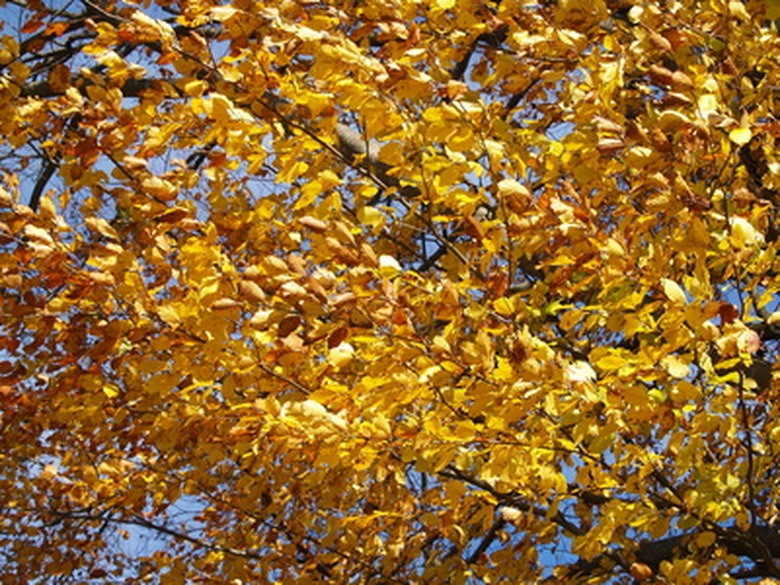
Elm trees are very fragile when it comes to pruning. Once an elm is pruned it is left helpless to prevent pests (such as elm bark beetles) and diseases (such as Dutch elm disease) from attacking and spreading into its delicate wood. Help your elm tree avoid pests and disease by using proper pruning techniques.
Timing
Elm trees attract a bug known as the elm bark beetle from mid-April through late-July. As a result, pruning an elm tree during these months is discouraged–and many states have ordinances against it. Elms should also never be pruned in the fall due to their susceptibility to fungi. The ideal time of year for pruning an elm tree is early spring. This allows the tree plenty of time to recover.
- Elm trees are very fragile when it comes to pruning.
- Once an elm is pruned it is left helpless to prevent pests (such as elm bark beetles) and diseases (such as Dutch elm disease) from attacking and spreading into its delicate wood.
Technique
Avoid excessive injury to the tree by always cutting near the branch collar. The branch collar is located near where the branch is attached to the trunk or main limb. To cut off the branch, make a small undercut 1 inch away from the collar. Next, cleanly cut the branch from the top. Finally, cleanly cut the branch the rest of the way just outside of the branch collar. Never top cut an elm tree, as it can lead to scalding, infestations and lower property values.
Wound Care
If you must cut the branches during the summer or fall, wound care is vital for the overall protection of the tree. After removing the limb, paint the injury with a fungicide to avoid the tree contracting any fungus while the wound heals. Next, paint the tree with a mixture of half latex paint and half water to protect the injury of scalding. Finally, clear away any brush from under the tree to prevent wintering bugs from climbing the tree and damaging it.
- Avoid excessive injury to the tree by always cutting near the branch collar.
- After removing the limb, paint the injury with a fungicide to avoid the tree contracting any fungus while the wound heals.
Kills Elm Trees?
were once an everyday sight along sidewalks and roadways in North America, The most common was Ulmus americana, also known as the American or white elm. The arrival of a virulent strain of Dutch elm disease (DED) in New England in the early 1900s had a devastating effect on the elm population. Fortunately, it is not as virulent or widespread as DED, which is a fungus spread by elm bark beetles. When infected with the fungus that causes DED, the tree responds by secreting defense compounds that collect in the sapwood just under the bark. The branches must then be burned or otherwise disposed of. Chemical treatments consist primarily of injecting a fungicide into the lower trunk of an affected tree. This treatment is most effective after a good rain or a deep watering. Elm yellows is a systemic disease that affects the whole tree, and while an infected tree may survive for two or three years, it will gradually wilt and die. At first, the yellowing may affect only a single branch, and if you peel back the bark, you may notice discoloration that resembles the staining caused by the DED fungus. They include smooth-leafed elm (U. carpinifolia), Scotch elm (U. glabra), European white elm (U. laevis), Chinese elm (U. parvifolia) and Siberian elm (U. pumila). Spot Anthracnose can affect the leaves or the tree's vascular system, causing light brown spots and wilting on leaves and branches. The fungus overwinters in the bark of the tree and can be controlled by burning dead leaves and spraying the tree with a fungicide. Leaf scorch_ can be caused by excessive sunlight or fertilizer, but when it appears on elm trees, it is usually the work of the bacterium Xylella fastidiosa, which is carried by leafhoppers and spittle bugs.
- were once an everyday sight along sidewalks and roadways in North America, The most common was Ulmus americana, also known as the American or white elm.
- Elm yellows is a systemic disease that affects the whole tree, and while an infected tree may survive for two or three years, it will gradually wilt and die.