

How To Grow Grass In Dirt
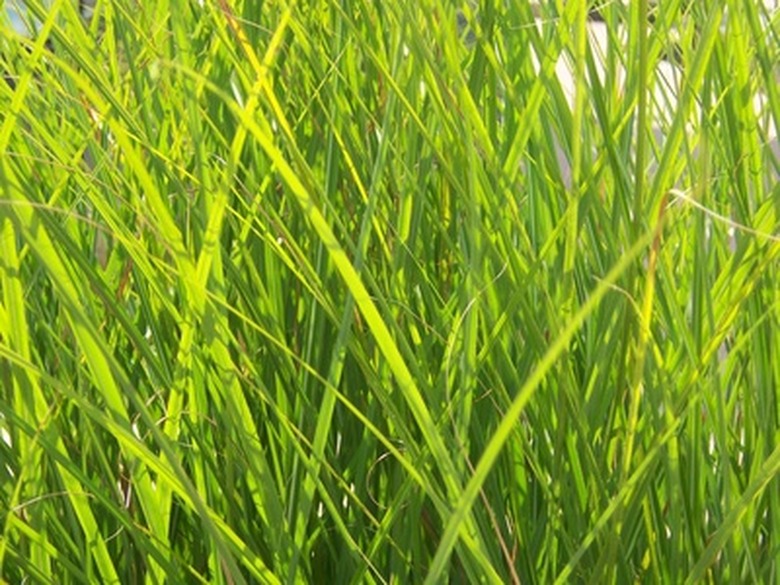
Things Needed
- Rototiller
- Rake
- Soil
- Sand
- Compost
- Fertilizer
- Broadcast spreader
- Grass seed
- Mechanical or hand spreader
- Sprinkler
Dirt is not very conducive to growing grass because it is highly compacted and lacks many nutrients. Grass roots, like other plants, need space to spread and that is difficult when the ground has virtually no air pockets. Never fear, though, you can grow grass in dirt. Amend it to make it more fertile and well-draining, which will provide the perfect base for grass seed.
Step 1
Clear debris such as rocks and branches from the yard. Break up dirt clumps that are larger than 1 inch in diameter.
Step 2
Pull weeds. If you are dealing with a major weed problem, use herbicide to kill them off. You must apply it several weeks in advance so it does not affect the growth of grass. Follow the manufacturer's instructions.
- Dirt is not very conducive to growing grass because it is highly compacted and lacks many nutrients.
- Grass roots, like other plants, need space to spread and that is difficult when the ground has virtually no air pockets.
Step 3
Loosen the dirt. Run a rototiller over it until the top 4 to 6 inches of soil is loose. Fill in dips with top soil to make the yard level. Rake until smooth.
Step 4
Add nutrients to the dirt. Add 1 inch each of sand and compost to the dirt. This will add nutrients and improve drainage in the dirt. Till the substances into the top inch of dirt.
- Run a rototiller over it until the top 4 to 6 inches of soil is loose.
- Add 1 inch each of sand and compost to the dirt.
Step 5
Apply to the planting area a starter fertilizer that is high in phosphorus. Read the package to determine the rate to set the broadcast spreader.
Step 6
Spread grass seed with a hand or mechanical spreader. Gently rake the seed with the back of a metal rake to cover it with a small amount of the amended dirt.
Step 7
Water the grass seed with a sprinkler set to an oscillating setting. Apply water at least twice a day for five to 10 minutes at a time. Continue this for 10 days. Once the seed sprouts, cut back on watering to once a day for 15 to 30 minutes.
- Apply to the planting area a starter fertilizer that is high in phosphorus.
- Water the grass seed with a sprinkler set to an oscillating setting.
Tip
Water grass seed in the morning for the best moisture retention.
Warning
Keep people and pets off grass until it has had time to grow.