

How To Care For Assorted Fern Plants
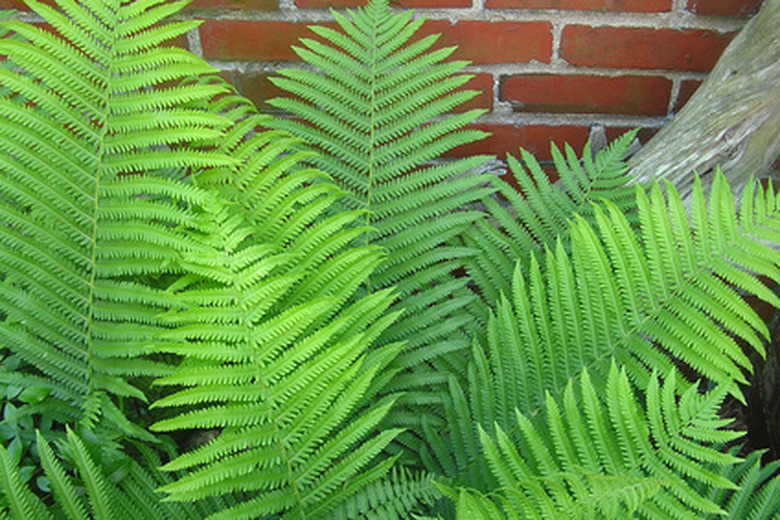
There are approximately 12,000 species of ferns, which are nonflowering primitive plants that reproduce via spores rather than seeds. The majority of fern species are native to tropical regions and can be grown as houseplants in temperate areas. However, some hardy ferns can be grown outdoors year round.
Fern Care Indoors
- **Humidity:** One of the main challenges of indoor fern care is providing the humidity these plants need. The amount of moisture and humidity a fern needs varies by species. Room humidifiers can help you create the right environment for these plants.
- **Watering:** Indoor fern plants should be watered frequently year round, though you can reduce watering a bit during winter and fall.
- **Sunlight:** Most ferns prefer indirect bright light. Avoid placing ferns in full sun, which can scorch the foliage.
- **Fertilizer:** Ferns also benefit from fertilizer. Fish emulsion is considered a great choice for fertilizing many different species of indoor ferns. As a general rule, you should fertilize ferns only during the growing season. Excessive fertilizer can cause the fronds to dry and turn brown.
Tip
Indoor ferns can also accumulate dust, which can prevent the leaves from absorbing light and also harbor pests, such as spider mites. You should therefore spray the leaves periodically with lukewarm water to clean them.
Outdoor Fern Plant Care
- **Shade and Wind Protection:** Ferns are shade-loving plants that should be planted where they will receive plenty of shade. It is also important to situate ferns where strong winds will not damage their fronds.
- **Watering:** The majority of hardy ferns need consistent moisture in order to thrive. They generally require an inch or more of water a week. For best results, you should never allow the soil to fully dry out.
- **Fertilizer:** Ferns can be fertilized with a slow-release formula. Spring is the best time to fertilize hardy ferns. As with indoor ferns, it is important not to overfertilize hardy ferns to avoid damaging the plants.
Species of Ferns
Let's take a look at some different types and species of ferns.
 Tbatb
Tbatb
Tropical Ferns
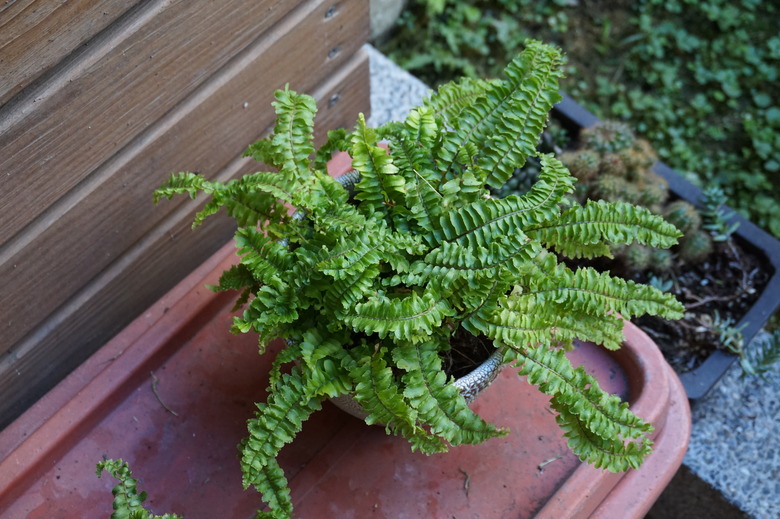
**Boston Fern:** The Boston fern (Nephrolepis exaltata, zones 10 to 12) is an evergreen species that occurs in many tropical regions of the world, including the Americas, Polynesia and Africa. It usually has a height of about 3 feet and is easy to grow indoors.
 JMK
JMK
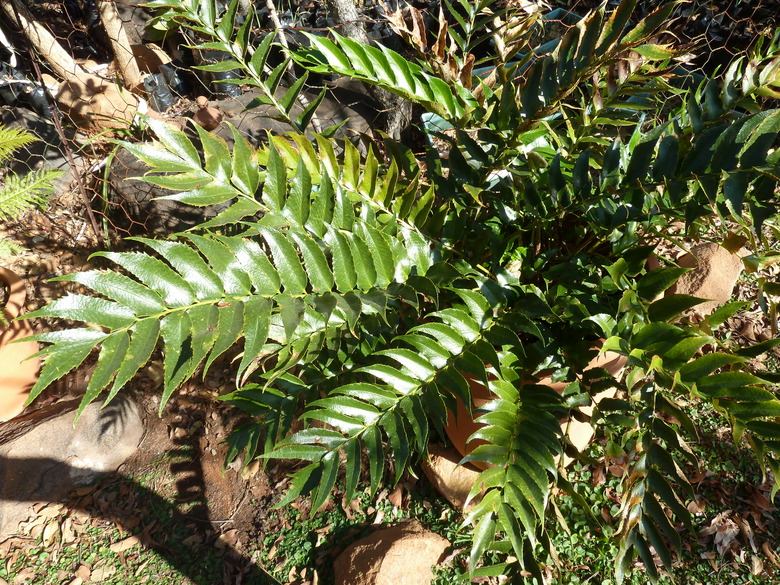
**Holly Fern:** Another example of an evergreen tropical fern is the holly fern (Cyrtomium falcatum, zones 6 to 10), which is native to Asia. Its foliage is reminiscent of holly plants, hence the common name. The holly fern tolerates dry conditions better than most other ferns. This species is hardy in some parts of the U.S. but can become invasive when grown outdoors.
Tip
Most ferns need to be divided every three to five years. Some ferns are clump-forming, while others grow from rhizomes. This determines how the plants are divided.
 Krzysztof Ziarnek
Hardy Ferns
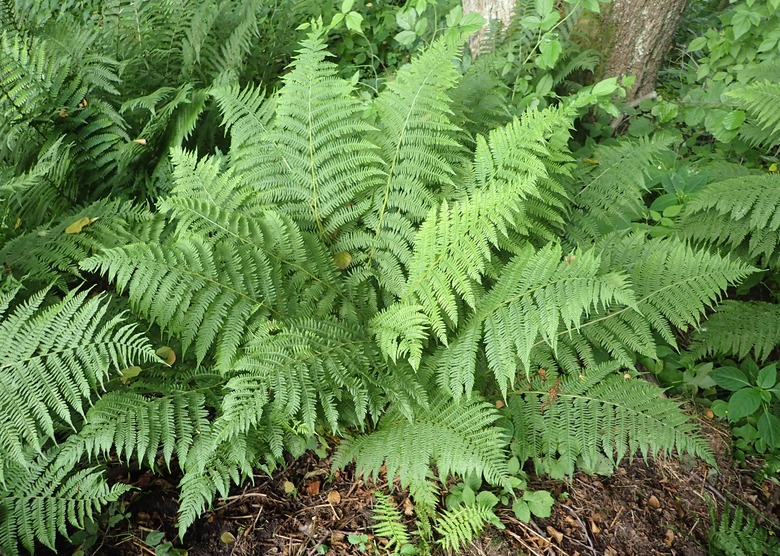
**Lady Fern:** Native to temperate parts of North America, Europe and Asia, the lady fern (Athyrium filix-femina, zones 4 to 8) is a deciduous species that prefers moist soils like other ferns but can better survive periods of drought. It is 2 to 3 feet tall.
 Daderot
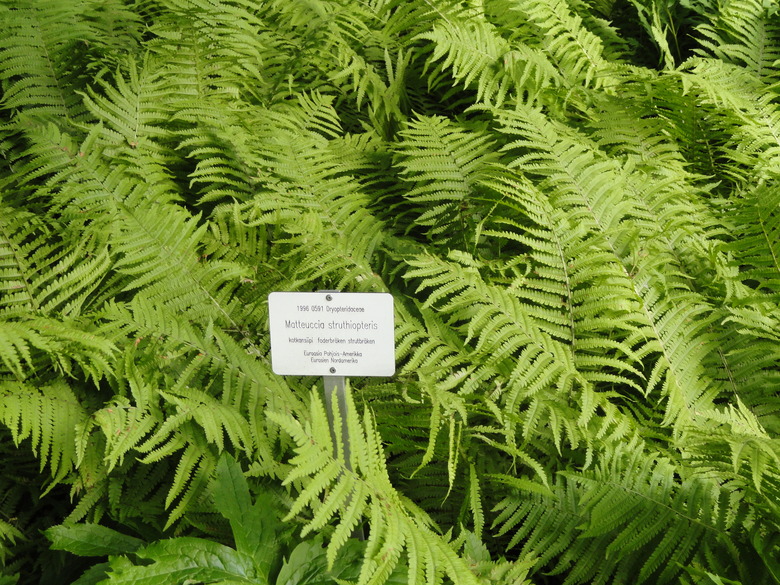
**Ostrich Fern:** The ostrich fern (Matteuccia struthiopteris, zones 3 to 7), like the lady fern, occurs in many northern temperate areas around the globe. It can reach up to 6 feet in the wild. This plant gets its name because its finely dissected leaves are reminiscent of an ostrich's feathers.
References
- University of Georgia Extension: Growing Ferns
- Clemson Cooperative Extension: Hardy Ferns
- Clemson Cooperative Extension: Indoor Ferns
- University of Georgia Extension: Native Plants for Georgia Part II: Ferns
- University of Minnesota Extension: Growing Tropical Ferns Indoors
- Missouri Botanical Garden: Nephrolepis exaltata
- Missouri Botanical Garden: Athyrium filix-femina
- Missouri Botanical Garden: Matteuccia struthiopteris
- Missouri Botanical Garden: Cyrtomium falcatum