

Hardwood Vs. Cedar Mulch
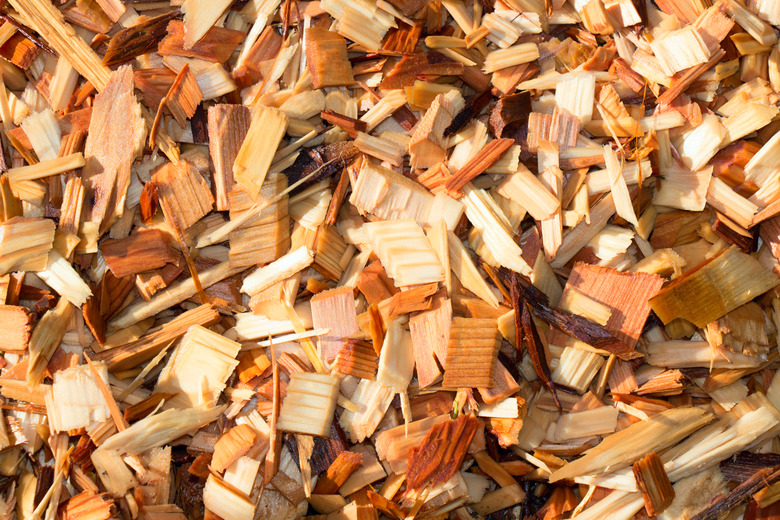
Mulches enhance the garden aesthetically and in numerous other ways. The application of mulch keeps weeds down, protects from water loss, adds nutrients to the soil, and protects against erosion. Mulch also reduces soil compaction and keeps the soil temperature uniform.
Mulches can be organic or inorganic and are a good way to make use of waste products. Inorganic mulches include soil fabric, rocks and gravel, black plastic and even ground tires. Organic mulches are usually compostable yard debris like leaves and grass clippings, wood chips and bark.
About Wood Mulches
Wood mulch is a great way to recycle wood byproducts. The material is natural, and even the colored mulches use dyes that are not toxic, according to the University of Massachusetts Amherst. This places dyed mulch vs natural mulch on equal standing from an environmental safety concern.
When choosing a mulch, you need to consider not only the look you want but also how quickly you want it to break down, if you are more concerned with weed retardation or water retention, and what the terrain is like.
Certain mulches break down more quickly, which is perfect if you are going to apply mulch annually. If you just want a weed barrier that lasts and don't want to reapply as often, larger pieces or wood bark are probably ideal. Wood mulches come in a variety of sizes from sawdust to wood bark or chips. The smaller the pieces, the quicker the mulch will compost.
Wood Chip Mulch Pros and Cons
Pros
Hardwood mulch is made from trees such as maples and oaks. It is a byproduct of paper and lumber mill operations. Hardwood mulch is finely shredded and lasts quite a while in the landscape.
This Old House notes that hardwood mulch stays put, which makes it an excellent choice for hills and other areas where larger mulch pieces would roll off. Hardwood will begin decaying faster than cedar mulch, which allows nutrients to be released into the soil and enrich the garden. Hardwood mulch is good at suppressing weeds.
Cons
Hardwood mulch compacts well, which is why it works well on uneven surfaces. However, that compaction can also lead to water repelling, and soils under the mulch can remain dry. The slow decomposition results in microorganisms that compete with plants for nutrients.
Cedar Mulch Pros and Cons
Pros
Cedar mulch is a stringy shredded wood that lasts longer than hardwood mulch. Twice ground cedar mulch is finely ground and will compost faster. Fresh, dark cedar mulch has a beautiful golden brown color that looks attractive around plants.
Cedar contains natural oils that smell wonderful but also deter some pests and insects. The light color of cedar repels harsh heat unlike darker hardwood mulches. This keeps shallow roots from overheating.
Cons
The rich golden color of cedar is not long lasting and will fade quickly. Because it lasts a long time before breaking down, you will have to live with gray wood slivers in your garden beds until it starts to compost and you can till it in. The aromatic oils may also repel certain beneficial insects. The long-lived nature of the mulch means it is not adding nutrients to the soil, so more frequent fertilizing will have to be practiced in cedar-mulched beds.