

Organic Vs. Non-Organic Soil
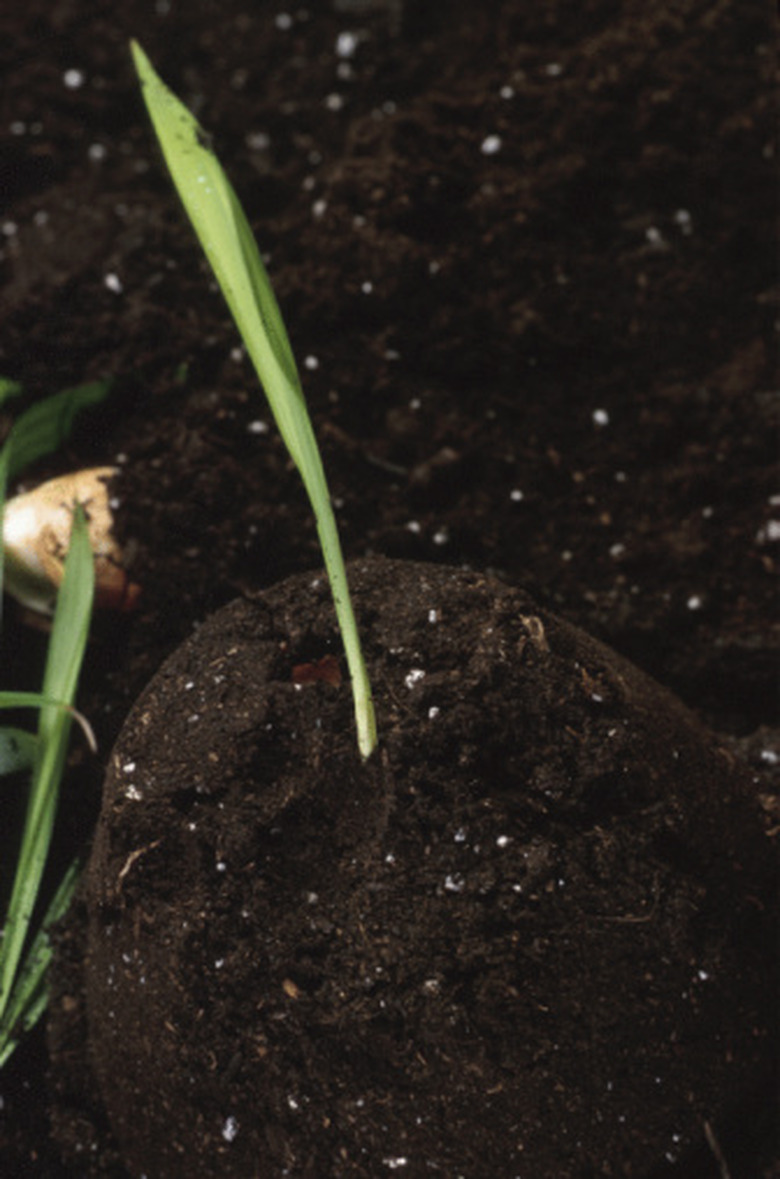
All soil is composed of organic matter. The terms "organic" and "non-organic" refer to the process and the chemicals used to maintain soil. Conventional, non-organic farming relies on synthetic fertilizers, pesticides and soil amendments to promote growth and discourage disease.
All soil is composed of organic matter. The terms "organic" and "non-organic" refer to the process and the chemicals used to maintain soil. Conventional, non-organic farming relies on synthetic fertilizers, pesticides and soil amendments to promote growth and discourage disease. Organic soil uses only natural, non-synthetic materials to obtain similar, or better, results.
Considerations
Dozens of scientific studies have been undertaken in the past decade to determine the relative value of organic versus non-organic soil. Scientists examine both the quality of the soil and what is produced using it. Overall, research indicates that organic soil is a better quality soil than conventional soil, producing higher quality and better tasting food.
- All soil is composed of organic matter.
- Overall, research indicates that organic soil is a better quality soil than conventional soil, producing higher quality and better tasting food.
Soil Quality Indicators
Soil quality is measured by its ability to sustain biological growth, promote plant health and preserve the environment. The presence of organic matter enhances the fertility and water storage of soil. Studies indicate that organic soil, when compared to non-organic soil, has a greater concentration of micro nutrients, higher stress tolerance and increased levels of carbon and nitrogen.
Going Organic
Organic gardening doesn't have to be expensive. You can make your own organic soil with compost from common household garbage, such as orange peels and grass cuttings. In some cases, soap and water can replace expensive pest sprays. Overall, good soil is the best defense against disease and pests.
- Soil quality is measured by its ability to sustain biological growth, promote plant health and preserve the environment.
- You can make your own organic soil with compost from common household garbage, such as orange peels and grass cuttings.
Buy Organic Soil?
The term "organic" is relatively young: Farmers, gardeners and soil producers have only begun keeping track of their soil's chemical content in the past few decades. The soil may undergo testing to determine whether any chemical residues remain; residues under a certain level are considered acceptable (see Reference 1). This manure may not be certifiably organic. If you live near a grower who sells organic soil, buy your soil there instead. See Reference 2) Homemade potting soil is more affordable than commercial blends, and you can more easily verify its ingredients. ATTRA lists several potting mix recipes for just about any garden need, but the classic mix is 1 part mature compost, 1 part topsoil and 1 part sand (see Reference 2).
References
- Plos One: Fruit and Soil Quality of Organic and Conventional Strawberry Agroecosystems
- U.S. Department of Agriculture: National Organic Program Final Rule; Dec. 21, 2000
- Forbes.com: Organic Miracle Needed; Emily Lambert; Sep. 4, 2006
- Mother Earth News: How to Make Your Own Potting Soil; Barbara Pleasant; Dec. 2008