

How To Plant Annabelle Hydrangeas
Things Needed
- Shovel
- 5-foot-high stakes
- Plant ties
- Pruning shears
- Slow-release fertilizer
- Hand rake
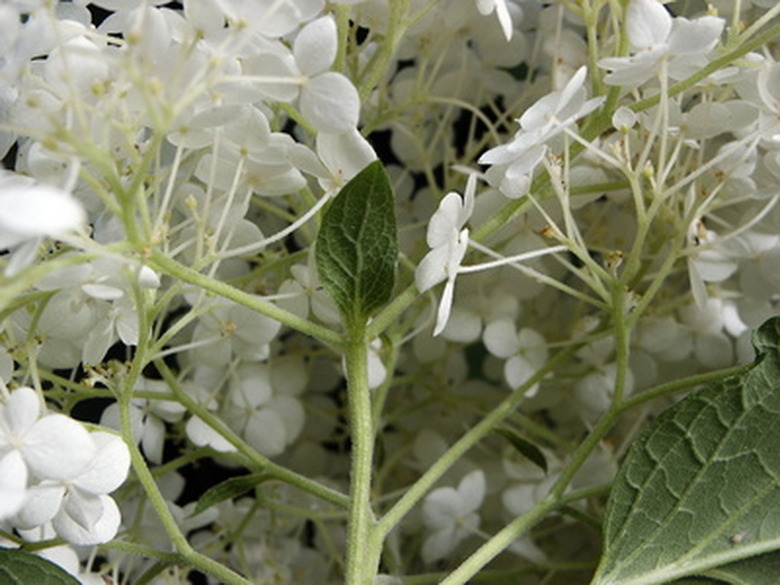
Annabelle hydrangeas are smooth hydrangeas that are widely recognized for their large, round, white blossoms that resemble huge snowballs. Annabelle hydrangeas are hardy in USDA zones 3 through 9 and can tolerate very harsh winter weather. Plant Annabelle hydrangeas in the spring or in the autumn in a partly sunny landscape area.
Step 1
Select a planting area that receives morning sun and afternoon shade for best results. Hydrangeas do not tolerate afternoon heat and sun well–they will wilt under these conditions.
Step 2
Dig a hole for the Annabelle hydrangea that is approximately three times wider than the root system of the hydrangea. Make the hole the same depth as the roots are planted in the current container.
- Annabelle hydrangeas are smooth hydrangeas that are widely recognized for their large, round, white blossoms that resemble huge snowballs.
- Hydrangeas do not tolerate afternoon heat and sun well–they will wilt under these conditions.
Step 3
Remove the Annabelle hydrangea from the temporary container carefully by loosening the soil around the edges of the container. Place the container on its side and roll it back and forth while pressing on the sides. Gently pull the hydrangea out of the container.
Step 4
Place the hydrangea into the prepared hole. Add soil back into the hole around the roots to fill the hole and tamp the soil down firmly around the crown of the hydrangea.
Step 5
Provide water for the Annabelle hydrangea immediately after you plant it. Keep the soil evenly moist. Never allow the soil to dry out, because hydrangeas do not tolerate stress from lack of water.
- Remove the Annabelle hydrangea from the temporary container carefully by loosening the soil around the edges of the container.
- Add soil back into the hole around the roots to fill the hole and tamp the soil down firmly around the crown of the hydrangea.
Step 6
Stake the Annabelle hydrangea if the blooms droop to the ground by inserting three or four stakes into the soil in the center of the shrub. Tie several of the heaviest stems to the stakes with the plant ties to support the hydrangea.
Step 7
Prune the Annabelle hydrangea with the pruning shears after the shrub finishes blooming; however, annual pruning is not mandatory for Annabelle hydrangeas. Remove old growth by cutting it off just above the soil level. Shape the hydrangea as you desire by cutting stems off to make the hydrangea the size and shape you want.
Step 8
Sprinkle fertilizer over the soil around the hydrangea, consulting package recommendations for the size of your hydrangea. Apply the fertilizer in the middle of spring and summer, but never fertilizer after August because the plant needs to enter dormancy at this time. Work the fertilizer into the soil with the hand rake and water the soil thoroughly after adding the fertilizer.
- Stake the Annabelle hydrangea if the blooms droop to the ground by inserting three or four stakes into the soil in the center of the shrub.
- Shape the hydrangea as you desire by cutting stems off to make the hydrangea the size and shape you want.