

Climing Roses
Step 1
When you have climbing roses growing energetically up your vertical supports in a landscape, their continuous blooming throughout the growing season is sure to be a source of pride and joy. Because of the vigorous growth and blooming habits of climbing roses, you must deadhead them throughout their entire bloom cycle to enable the climbing roses to continue blooming. When you remove the spent flowers, the climbing roses put their energies back into blooming rather than seed production.
Step 1
Monitor the climbing roses continually throughout the growing season to ensure you deadhead the blossoms promptly when they fade. If you allow faded blossoms to stay on the vines, the climbing roses will suffer decreased blooming.
Step 2
Clip off the spent blossoms just under the blossoms, cutting the stem at a 45-degree angle. Climbing roses bloom on stems with green leaves immediately beneath the blossoms. Leave these leaves intact because the climbing roses will grow new blossoms from these leaves.
- When you have climbing roses growing energetically up your vertical supports in a landscape, their continuous blooming throughout the growing season is sure to be a source of pride and joy.
- If you allow faded blossoms to stay on the vines, the climbing roses will suffer decreased blooming.
Step 3
Place the clipped blossoms into the bucket as you continue to work your way along the climbing roses. Discard the blossoms or use them for potpourri.
Step 1
Mount the screw hook to the ceiling, roof overhand or other support located directly above your climbing plant.
Step 2
Measure a length of fishing line that reaches from the hook to the top of your climbing plant. Add 4 inches then cut.
Step 3
Tie one end of your fishing line to the hook and the other end of the line to the washer. When the line hangs, it should just touch the top of the climbing plant.
- Place the clipped blossoms into the bucket as you continue to work your way along the climbing roses.
- Measure a length of fishing line that reaches from the hook to the top of your climbing plant.
Step 4
Watch the climbing plant climb up the fishing line. The plant can detect its presence above it and will begin to climb it as it grows.
Things Needed
- 20 lb. test fishing line
- Heavy-weight screw hook
- Scissors
- Washer
Step 1
Remove branches that are close to the ground. This prevents some animals from jumping from the ground up into your tree.
Step 2
Trim any areas close to your house. You want at least 10 feet of space between your home and the tree, so animals cannot jump from the tree to your house and vice versa.
Step 3
Wrap a piece of aluminum flashing around the tree trunk. It should be about 24 inches wide. Animals are unable to sink their nails into this material, preventing tree climbing.
- Watch the climbing plant climb up the fishing line.
- This prevents some animals from jumping from the ground up into your tree.
Tip
Combining methods will help to ensure your success.
Tree Perimeter
Instead of constructing a grid of wooden planks or metal rods to delineate your property, plan ahead for future generations and plant fast-growing trees that will blend together and form a close-knit screen of living material. For excellent privacy-giving barriers, Better Homes and Gardens suggests columnar juniper and white pine in colder zones 3 and 4, and English laurel and yew for mid-range zones with cold hardiness down to zone 5 or 6. Privet and boxwood are landscaping varieties that can grow tall like the evergreen tree and dense like a shrub.
Shrub Border
The ambiguous term shrub can mean a small bush-like plant, but it also refers to large, almost tree-like masses, often with flowering branches and rich, thick foliage. Shrubs like the lilac, hydrangea and rhododendron all have beautiful green leaves that remain seated even after gorgeous, rainbow-hued blooms leave the bush. Species of these shrubs can grow anywhere from six to 20 feet tall, providing a tree-like canopy of lush green and lovely blooms to shade and protect your privacy. Be sure to check cold hardiness and specific species for drought and disease tolerance before making the long-term commitment a shrub requires.
- Instead of constructing a grid of wooden planks or metal rods to delineate your property, plan ahead for future generations and plant fast-growing trees that will blend together and form a close-knit screen of living material.
- Species of these shrubs can grow anywhere from six to 20 feet tall, providing a tree-like canopy of lush green and lovely blooms to shade and protect your privacy.
Vine-covered Trellis
If you prefer a structure rather than living fence material, consider covering a trellis or lattice base with a climbing, flowering vine or bush. The choices for foliage texture and bloom color are nearly endless with climbing varieties, and there is sure to be the perfect choice for your climate zone and soil conditions among them. Examples of hearty selections in which you will find a variety of suitable species for your area include climbing roses, trumpet vines and wisteria. Ivy is another dense vine screen choice, but it is pervasive and will overtake trees and other nearby structures, as well as trail away from the support structure if not dutifully tended to. Trellis and lattice structures, of materials including wood but preferably metal, should be sturdy enough to bear the weight of mature vines that can become quite large.
Step 1
Apply the glyphosate when the sun is shining and the winds are calm. Temperatures between 60 and 80 degrees F are ideal for applying glyphosate to plants. Apply the glyphosate during a time of year when the climbing roses are growing energetically for best results because the plant will readily carry the glyphosate throughout its system while it is at peak growth.
- If you prefer a structure rather than living fence material, consider covering a trellis or lattice base with a climbing, flowering vine or bush.
- Trellis and lattice structures, of materials including wood but preferably metal, should be sturdy enough to bear the weight of mature vines that can become quite large.
Step 2
Spray the glyphosate spray onto the foliage of the climbing rose, covering all foliage completely. Do not spray to the point that the glyphosate dripping from the leaves, however. A light and even coating is sufficient.
Step 3
Allow the glyphosate herbicide to work on the plant for approximately one week. Assess the plant after this time to determine how much of the plant is dying. If you find healthy portions of the plant after one week, reapply the glyphosate in the same fashion.
Step 4
Dig out the climbing rose and detach the canes from any vertical support. Dispose of the dead climbing rose plant and all canes in the garbage.
- Spray the glyphosate spray onto the foliage of the climbing rose, covering all foliage completely.
- Allow the glyphosate herbicide to work on the plant for approximately one week.
Tip
Follow all instructions and warnings on the herbicide label. Glyphosate will probably even kill a dormant climbing rose; however, the herbicide will be much more effective if you apply it while the climbing rose is actively growing.
Warning
Keep humans and animals away from the application area while the herbicide is wet.
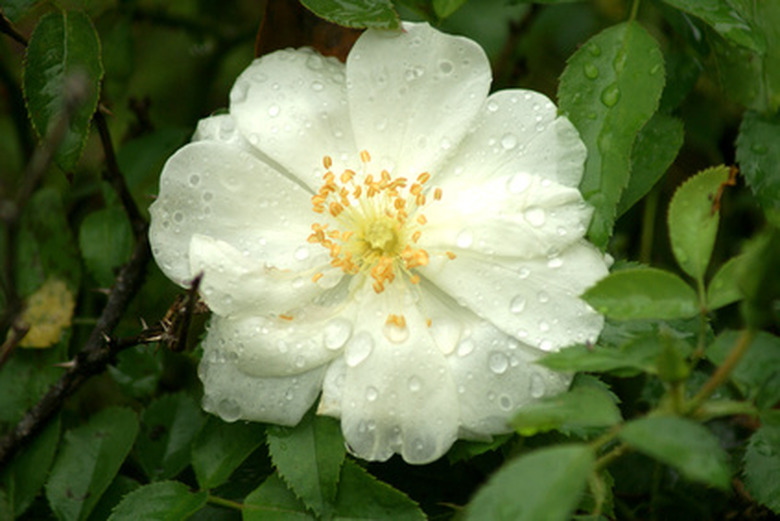
Climbing iceberg roses, a prolific bloomer with white flowers, can grow up to 10 feet and are an ideal climber for partly shaded areas of the garden. Other good choices for shady areas include Dortmund, Golden Showers and Galway Bay varieties. Check with your local full-service garden center for choices best suited for your growing zone.
Step 1
Remove the canes from the support trellis. If you tied the canes to the trellis with plant ties, either untie the ties or snip them with the scissors. If you attached the canes with wires, untwist the wires or snip them with wire cutters.
Step 2
Lay the canes down horizontally on the soil at the base of the trellis or support structure. Stacking the canes on top of each other is fine.
- Climbing iceberg roses, a prolific bloomer with white flowers, can grow up to 10 feet and are an ideal climber for partly shaded areas of the garden.
- Lay the canes down horizontally on the soil at the base of the trellis or support structure.
Step 3
Cover the canes with 4 inches of top soil, making sure that top soil thoroughly covers every cane.
Step 4
Add a 2-inch layer of shredded mulch over the top of the top soil to insulate the canes further.
Step 5
Cover the crown of the climbing rose plant with at least 10 inches of top soil, mounding the soil high to provide thorough protection.
Step 6
Remove the top soil and mulch in very early spring to prepare the climbing roses for the upcoming growing season.
Tip
Wait to winterize climbing roses until a killing frost occurs and the majority of the foliage falls from the canes. It is important to wait until this time because this ensures that the climber will remain at a uniformly cold temperature throughout the winter without damaging temperature shifts. If you cannot remove the canes from the support structure, pull the cane tips together and secure them with twine. Place a layer of straw around the cane tips and wrap burlap around the straw. This will hold the straw in place and insulate the cane tips. Tie the burlap with another length of twine.
Step 1
Water the climbing rose the day before you prune.
Step 2
Prune off any dead branches all the way to the main cane.
Step 3
Remove all suckers from below the graft union. This is the swollen area on the main cane that indicates where the tree was grafted. Use sharp pruners to snip off any growth below the union.
- Cover the canes with 4 inches of top soil, making sure that top soil thoroughly covers every cane.
- Add a 2-inch layer of shredded mulch over the top of the top soil to insulate the canes further.
Step 4
Cut back all flowering branches, leaving two or three buds (these look like bumps on the branches). Make the cut immediately above a bud.
Step 5
Prune back the main shoots if you want to shorten the climbing rose. You can safely cut it down to 3 or 4 feet.
Step 6
Remove all leaves from the tree.
Tip
After pruning, it's a good idea to fertilize the climbing rose, according to horticulturist George Weigel of Patriot News.
Step 1
Dig a hole that is 3 feet wide, 2 feet deep and 18 to 30 inches from the chosen climbing structure. Add 3 to 4 inches of organic compost to the planting hole.
- Cut back all flowering branches, leaving two or three buds (these look like bumps on the branches).
- Dig a hole that is 3 feet wide, 2 feet deep and 18 to 30 inches from the chosen climbing structure.
Step 2
Gently squeeze the sides of the rose's container to loosen the root ball. Turn the pot upside down and allow the plant to slide out. Use your fingers to loosen any compacted roots and place the root ball into the planting hole. Back fill with the loosened soil and tamp down firmly to remove air pockets.
Step 3
Water until the soil is very moist, but not soggy. Add a 2-inch layer of mulch to control weeds and maintain moisture.
Step 4
Use plant ties to attach the main canes (not the flowering shoots) to the chosen support system. Continue to water the rose whenever the top inch of soil no longer sticks to your finger.
- Gently squeeze the sides of the rose's container to loosen the root ball.
- Use your fingers to loosen any compacted roots and place the root ball into the planting hole.
Tip
This rose can be planted in early spring or fall. The Queen Elizabeth climbing rose prefers full sun to partial shade and soil that is well-drained. It's best to put the chosen climbing structure in place before planting the rose in order to prevent damage to the plant's roots.
Warning
Do not over water the rose, as this could result in root rot.
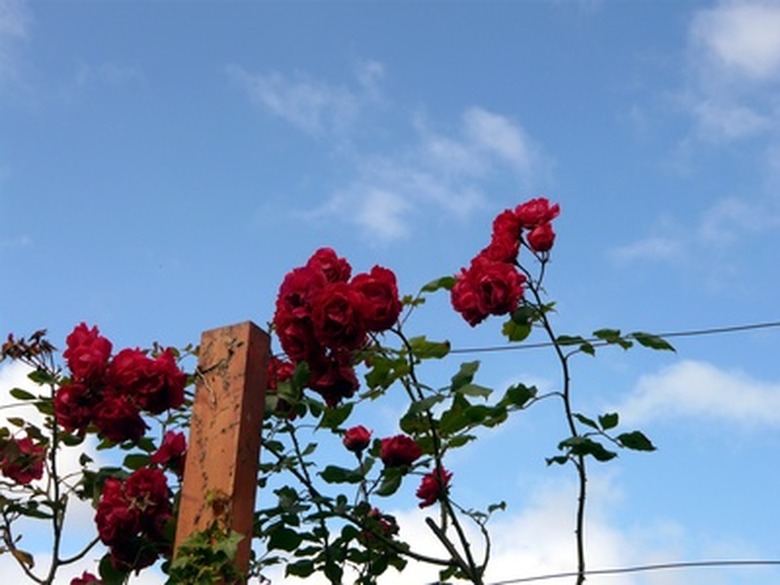
Different varieties of climbing roses reach various heights. The average heights, however, are seven to 10 feet according to Vertical Gardening Tips. Select a variety that will reach the desired height for the designated yard location.
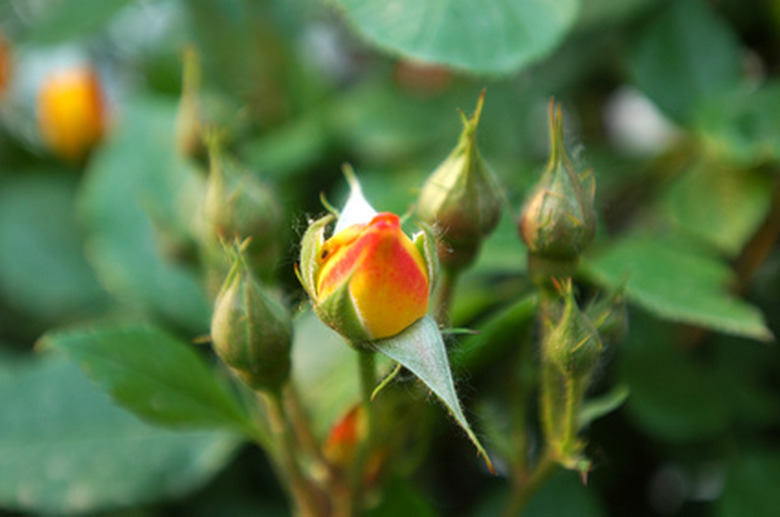
The best climbing material for a hybrid China climbing rose is a durable wooden trellis. Tie the branches to the trellis with 8- to 10-inch pieces of string or strips of cloth. Tie one end tightly around the trellis and loosely loop the other end around the rose cane and tie it back on the trellis. Continue to tie the canes in an upright pattern as the China climbing rose grows taller.
- Different varieties of climbing roses reach various heights.
- The best climbing material for a hybrid China climbing rose is a durable wooden trellis.
Size
Joseph's coat grows from 3 to 10 feet in both width and height. It grows best when draped over a trellis or fence.
Lighting
The flower needs at least 6 hours of full sun a day. Brighter light exposure will create more vivid blooms.
Temperature
The plant is best grown in zones 4 to 9 and possibly in zone 3. It does best in temperatures between 60 and 85 degrees F, but it mildews in foggy or extremely humid coastal areas.
Soil
Sandy loam that both retains water and drains well is best for this flower. Use a general purpose potting soil when planting and add a handful of sand or peat moss to the plant's soil.
- Joseph's coat grows from 3 to 10 feet in both width and height.
- Use a general purpose potting soil when planting and add a handful of sand or peat moss to the plant's soil.
Watering
Keep the soil moist and never soaked. Water the plant thoroughly for the first few weeks and gradually reduce the watering amount as the flower adjusts.
Fertilization
Apply a granular, slow-release fertilizer high in phosphorus upon planting and once every spring.
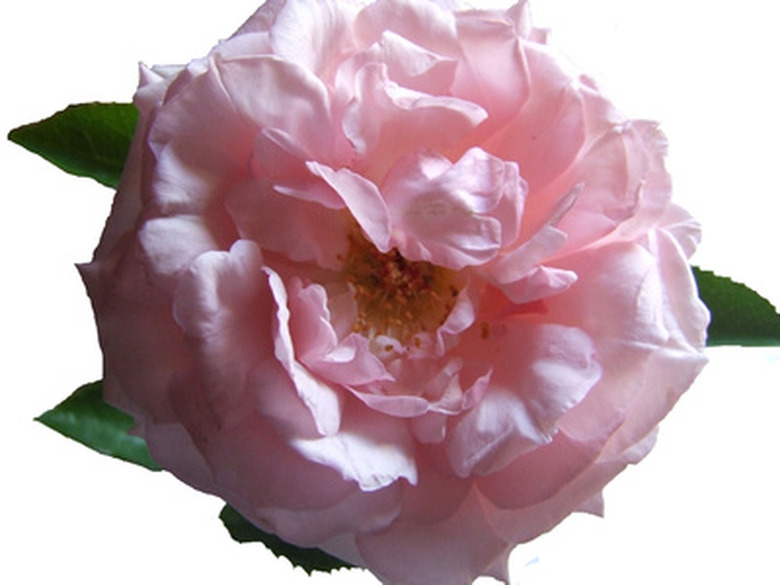
Look for Renae climbing roses at local garden centers or online nurseries, such as Rogue Valley Roses and Roses Unlimited. They both sell Renae climbing roses for around $13.50 to $20.
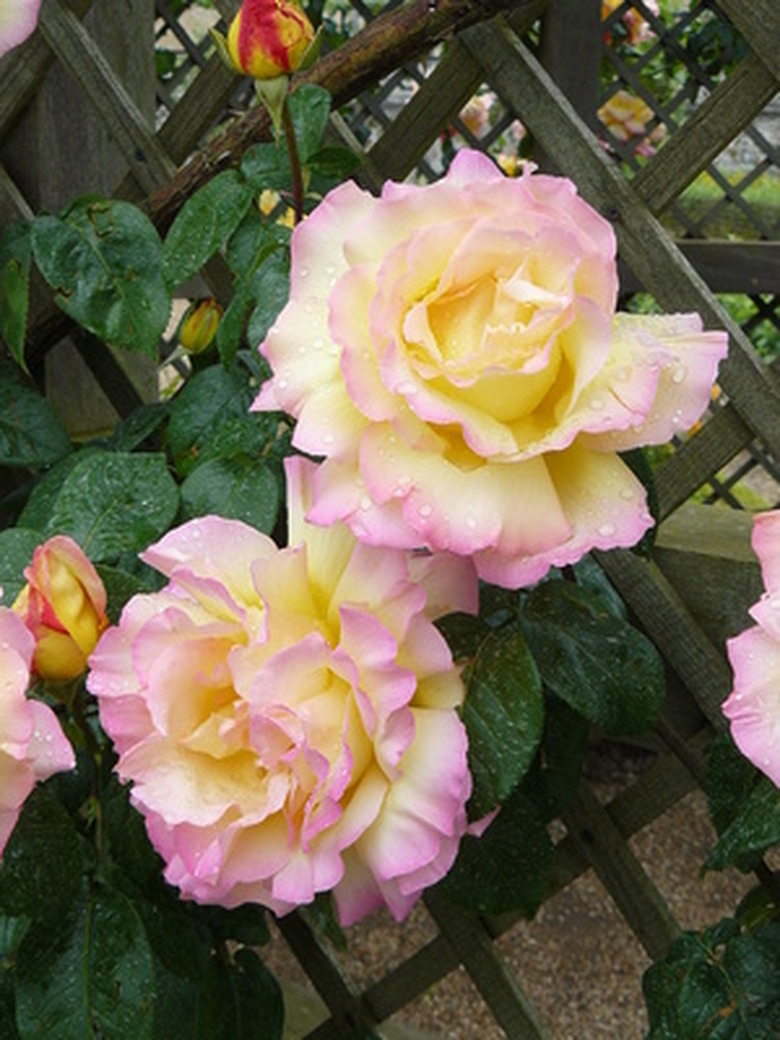
Climbing roses' heights varies with variety, but are generally between 8 to over 15 feet in height. Visit your local full-service garden center to find the varieties best suited to your growing zone and needs.
- Keep the soil moist and never soaked.
- Look for Renae climbing roses at local garden centers or online nurseries, such as Rogue Valley Roses and Roses Unlimited.