

How To Deadhead Phlox
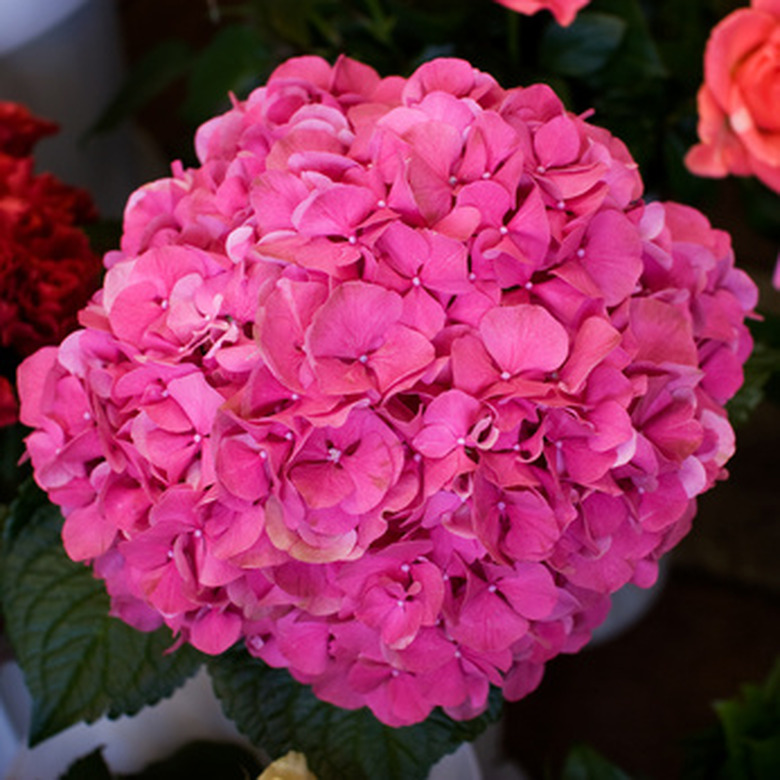
Phlox is a vintage plant that can grow tall, or low as a functional groundcover. These perennial beauties may bloom for as many as six continuous weeks. While some varieties begin their flowering cycles in mid-summer, others may not begin until late in August. To ensure the plant's overall health as well as profuse quality blooming for future seasons, it's important to deadhead your phlox regularly. Removing spent blooms will distract your plant's focus away from reproducing via seeds and direct its energies toward blooming.
Step 1
Use clean, sharp shears to cut blooming stems freely from your phlox for indoor arrangements throughout the summer.
Step 2
Clip off clusters of uncut flowers as soon as they're spent throughout the season. Make your cut slightly above the first developing bud below the dead bloom.
- Phlox is a vintage plant that can grow tall, or low as a functional groundcover.
- Use clean, sharp shears to cut blooming stems freely from your phlox for indoor arrangements throughout the summer.
Step 3
Prune spent bloom stems down to ground level if new buds aren't present. This will keep your plant looking tidy.
Step 4
Trim phlox plants back as needed throughout the summer before a new flush of growth. Prune groundcovers regularly to keep them from become overgrown.
Step 5
Cut the phlox plant to the ground when it has completed the blooming season. This will prevent undesirable reseeding. It will also allow the phlox to renew its resources and vitalize itself for a more vigorous coming spring.
- Prune spent bloom stems down to ground level if new buds aren't present.
- Cut the phlox plant to the ground when it has completed the blooming season.
Deadhead Phlox
There are many varieties of phlox available to gardeners, from dwarf varieties that are stunning in borders and beds to tall varieties that grow to 3 feet or more and are used in background plantings. A perennial, phlox produces spikes of brightly colored flowers that rise from the green foliage. Cut 1/4 inch above the bud that is forming immediately beneath the spent flower cluster. Cut off the entire flower spike once all the buds have bloomed and there are no new buds forming along the stem. Dispose of or compost the removed flower clusters and spikes after deadheading.