

All Natural Bug Repellents For Vegetable Plants
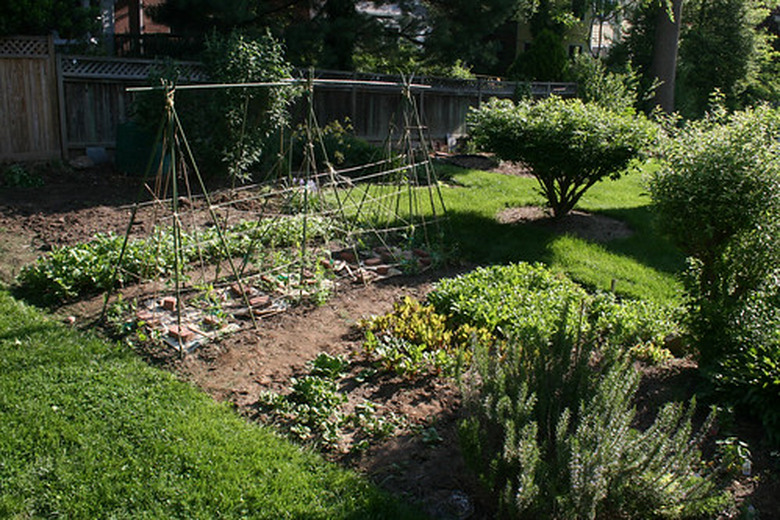
Many gardeners don't want to use potentially harmful chemicals on edible crops, but allowing detrimental garden pests to feast on our plants and destroy our precious veggies is not acceptable either. Planting natural pest repellents, attractants that will bring beneficial predators, or crops that are more appealing than our edibles are all effective natural methods of protecting produce. Pesticides that use natural ingredients and insecticidal soaps are also effective in repelling bugs that would otherwise devour food crops.
Repellant Plants
Interplant repellent plants among your food crops to discourage damaging insects. Your choice of what to plant depends on which bugs are bugging your crops. Many insects are deterred by more than one repellent, such as the following:
Tomato hornworms: borage, basil and petunias. Cabbage worms: borage, thyme and geraniums. Squash bugs: dill, lemon balm and tansy. Colorado potato beetle: flax, horseradish and coriander. Japanese beetle: geraniums, garlic, soybeans, tansy, rue and white chrysanthemums. Thrips: basil Cinch bugs: soybeans Spider mites: dill and coriander. Flea beetles: rue, mint, peppermint, hyssop and sage. Aphids: mint, peppermint, coriander, chervil, nasturtiums, petunias, dill and rue. Cabbage moths: oregano, hyssop, mint, peppermint and sage. Cucumber beetles: oregano, nasturtiums White flies: nasturtiums
- Many gardeners don't want to use potentially harmful chemicals on edible crops, but allowing detrimental garden pests to feast on our plants and destroy our precious veggies is not acceptable either.
- Colorado potato beetle: flax, horseradish and coriander.
As can be seen, most repellent plants are effective against more than one garden pest. In addition to those already mentioned: rosemary repels bean beetles and carrot flies; petunias deter asparagus beetles, leaf hoppers, and Mexican bean beetles; garlic discourages coddling moths, root maggots, and carrot root fly; rue deters fish moths and onion maggots.
Attractant Plants
Several repellent plants also attract beneficial insects, which consume other insect pests, to the garden, including: borage, dill, parsley and mint. Nasturtiums are one of the best attractants and sage is good, if allowed to flower. Hyssop is a bee favorite, as well as stinging nettle, sweet alyssum and peppermint. Amaranth and clover draw predatory ground beetles. Horehound and caraway attract beneficial flies and wasps. Yarrow attracts predatory wasps and lady bugs.
- As can be seen, most repellent plants are effective against more than one garden pest.
- Several repellent plants also attract beneficial insects, which consume other insect pests, to the garden, including: borage, dill, parsley and mint.
Distracters
By planting crops that predatory insects find more delectable, they can be drawn away from your veggies. Dill attracts tomato hornworm; geraniums distract beet leaf hoppers; nasturtiums attract black aphids; and radishes draw leaf minors. Japanese beetles love to feast on the toxic foliage of four o'clock, larkspur, and white geraniums. (Four o'clock and larkspur are also toxic to humans and animals.)
Natural Pesticides
Parsley tea wards off asparagus beetle and wormwood tea repels cabbage moths, slugs, snails, black flea beetles and fleas effectively. Tea made with petunia leaves, horseradish root or chili peppers are also potent insect repellents.
Foliar sprays made with garlic deter aphids, white flies and fungus gnats. A spray of elderberry leaves can rid the garden of carrot root flies, aphids, peach tree borers and cucumber beetles.
- By planting crops that predatory insects find more delectable, they can be drawn away from your veggies.
- A spray of elderberry leaves can rid the garden of carrot root flies, aphids, peach tree borers and cucumber beetles.
The ground leaves of bay leaves, cayenne peppers, tansy and peppermint make an effective insecticidal dust. Chrysanthemums have been used for centuries as natural pesticides. As a dust or a spray, kelp nourishes veggies and repels insects.
Insecticidal Soaps
Insecticidal soaps are organic sprays that repel insects, yet are safe for plants, pets and humans. Easily made with liquid hand soaps (no dyes or fragrances), light vegetable oil and water, they are also inexpensive. The soap is sprayed directly onto soft bodied insects, such as aphids, white flies, mealy bugs and spider mites.