

What Does The Water Plant Elodea Need To Survive?
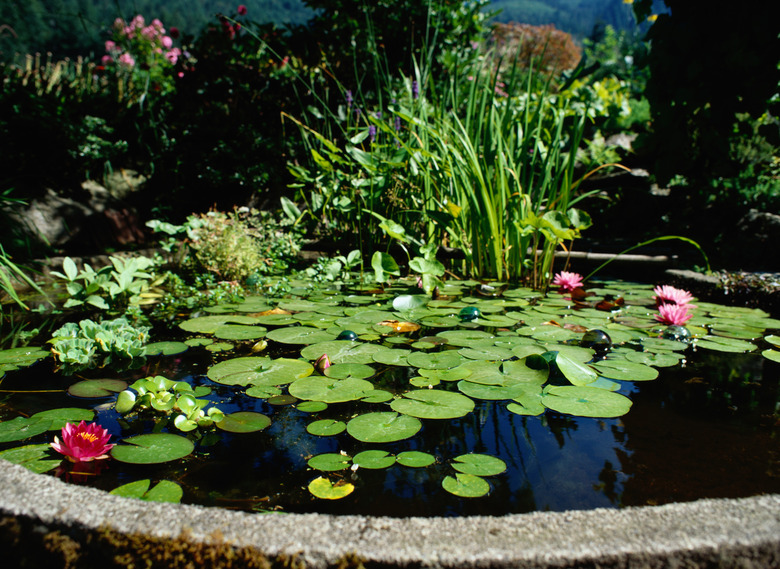
Common waterweed (Elodea canadensis), also known as the water plant elodea, is a herbaceous perennial that grows under water in lakes, ponds and aquariums. Elodea grows in U.S. Department of Agriculture hardiness zones 4 through 10, and helps provide a favorable ecosystem for fish and other aquatic species. Elodea spreads quickly and is deemed invasive in some regions. Its ability to absorb nutrients and keep the water clean makes it suitable for controlled use.
Water
Step 1
Elodea will only survive when grown below the water's surface. When left out of water, elodea will shrivel up and die. Its small white flowers are the only part of the plant that will flourish out of water, and these emerge in late summer. Elodea spreads and propagates when portions of the stem break away from the parent plant and form new plants.
- Common waterweed (Elodea canadensis), also known as the water plant elodea, is a herbaceous perennial that grows under water in lakes, ponds and aquariums.
- Its small white flowers are the only part of the plant that will flourish out of water, and these emerge in late summer.
Soil
Step 1
Elodea grows in most soils but prefers a sandy sediment that's rich in minerals and has a neutral pH. The stems extend from a fibrous root system which stabilizes the plant in the soil at the bottom of the pond. The root system pulls nutrients from the soil to nourish the elodea. Free-floating stems eventually form roots that anchor to the soil, allowing the plant to grow and mature.
Sun
Step 1
Like other plants, elodea gets its energy from photosynthesis. Photosynthesis uses sunlight and other elements to manufacture food for the plant. The food is essential in keeping the elodea plant alive and healthy. Photosynthesis also generates dissolved oxygen in the water, which fish need to survive. Elodea may not thrive if your pond is in deep shade.
- Elodea grows in most soils but prefers a sandy sediment that's rich in minerals and has a neutral pH.
- The stems extend from a fibrous root system which stabilizes the plant in the soil at the bottom of the pond.
- The root system pulls nutrients from the soil to nourish the elodea.
Space to Grow
Step 1
Elodea's stems can grow from 4 inches to 3 feet long at maturity. The size of the plant will vary greatly depend on the depth of the water it is growing in. Elodea stems may only spread to 1 foot in shallow water. Keep elodea under control by removing stems if they seem to be taking over the pond.