

How To Grow Snapdragons In A Pot
Things Needed
- Starter peat pot or starter tray
- Starter soil
- Mister
- Plastic bag
- Pot
- Stake
- Pruners
- Cotton twine
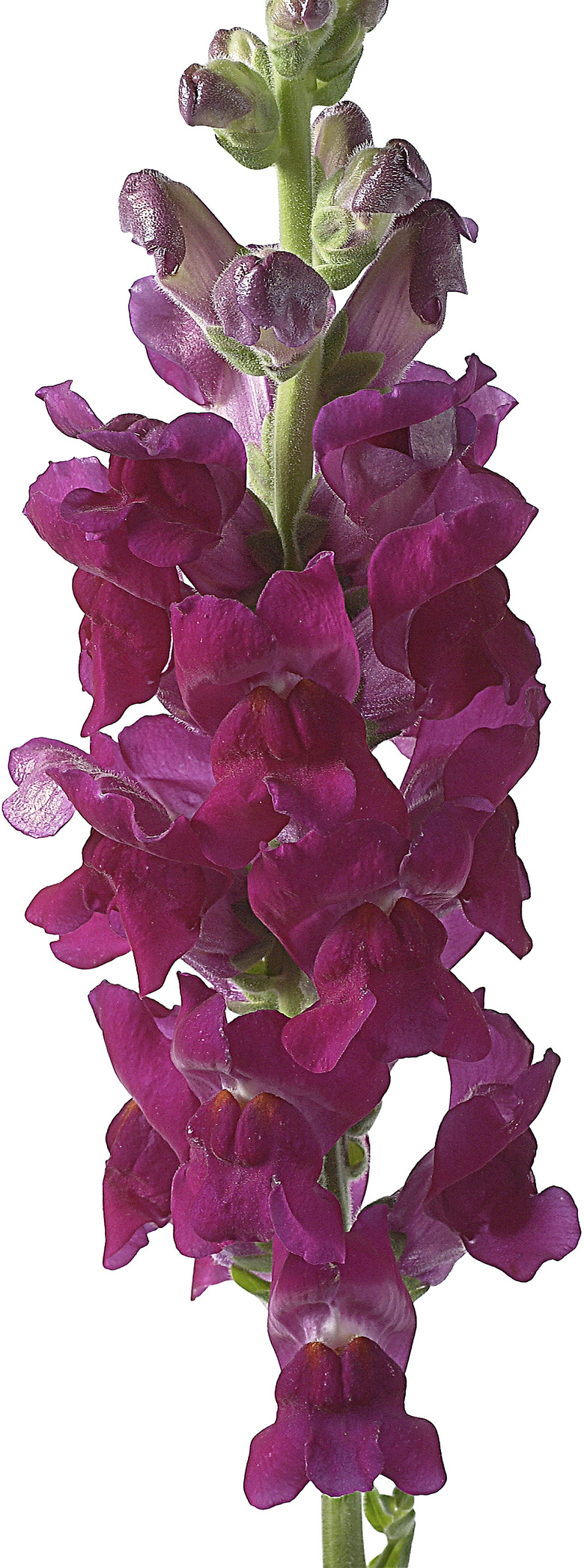
Growing a pot of snapdragons (Antirrhinum majus) can bring color to any sunny windowsill, balcony, porch or patio. An easy to grow annual, the snapdragon flourishes with only minimal care. In U.S. Department of Agriculture plant hardiness zones 8 to 10 the snapdragon grows as a perennial. Snapdragons come in every color of the rainbow except blue. They grow to heights of 30 to 36 inches. Dwarf varieties grow 8 inches tall and can grace a location with limited space. A gardener can choose from approximately 230 varieties. Snapdragons also make a lovely addition to any cut flower bouquet.
- Growing a pot of snapdragons (Antirrhinum majus) can bring color to any sunny windowsill, balcony, porch or patio.
- An easy to grow annual, the snapdragon flourishes with only minimal care.
Step 1
Start snapdragon seeds indoors in a peat starter pot or starter tray. Fill the starter pot or tray three-quarters full with sterile starting soil. Place the seeds on top of the starter soil. Do not cover the seeds with soil. Lightly mist the seeds with water to keep them moist.
Step 2
Slip the starter peat pot into a clear plastic bag. Maintain the room temperature at 65 degrees Fahrenheit to encourage germination. Snapdragon seeds will germinate in approximately 10 days.
- Start snapdragon seeds indoors in a peat starter pot or starter tray.
Step 3
Place the starter peat pot in a window with full sunlight after germination begins. A south-facing window is ideal. Remove the plastic bag from the pot once germination starts.
Step 4
Transplant the snapdragon seedling into its final pot when it is two to three weeks old. Fill the pot with soil. Dig a small hole in the soil. Place the peat pot into the soil or remove the snapdragom from the peat pot. The peat pot will decompose and does not need to be removed from the snapdragon's root system. Surround the snapdragon plant or pot with soil. The snapdragon should sit at the same depth in the soil that it sat in its starter pot or container.
- Place the starter peat pot in a window with full sunlight after germination begins.
- Remove the plastic bag from the pot once germination starts.
Step 5
Space dwarf or small snapdragon varieties 6 to 8 inches apart in the pot. The larger snapdragon varieties require 12 inches between plants.
Step 6
Place the pot in a sunny location. Do not expose the snapdragon to freezing temperature or frost.
Step 7
Water the snapdragon regularly. The plant requires moist soil and does not tolerate drought. Avoid getting the snapdragon's foliage wet or it may suffer from rust.
- Space dwarf or small snapdragon varieties 6 to 8 inches apart in the pot.
Step 8
Clip the snapdragon's spent blooms from the plant. Consider pruning the snapdragon back to a height of 6 inches during the mid-summer to promote additional blooms.
Step 9
Move the snapdragon pot indoors if a freeze is predicted. The snapdragon will flourish in a sunny window indoors.
Tip
Snapdragons stop blooming when the temperature tops 80 degrees Fahrenheit.
Warning
If tall snapdragons begin to fall over, place a stake in the pot and lightly tie the snapdragon to the stake to prevent it from breaking. Use cotton twine to tie the snapdragon to the stake.