

Types Of Insecticide

An insecticide is any chemical that is used to control, kill or repel insects. There are four main types of insecticides: botanical, microbial, manufactured and inorganic. Botanical insecticides are plant extracts; microbial insecticides are microbe or bacterium based; manufactured insecticides are synthetic chemicals and inorganic insecticides are mostly mineral based. Because insecticides have different chemical makeups, they can vary in toxicity and effectiveness. Understanding the different types of insecticides available enable you to make a decision on which one is appropriate for your garden.
Botanical Insecticide
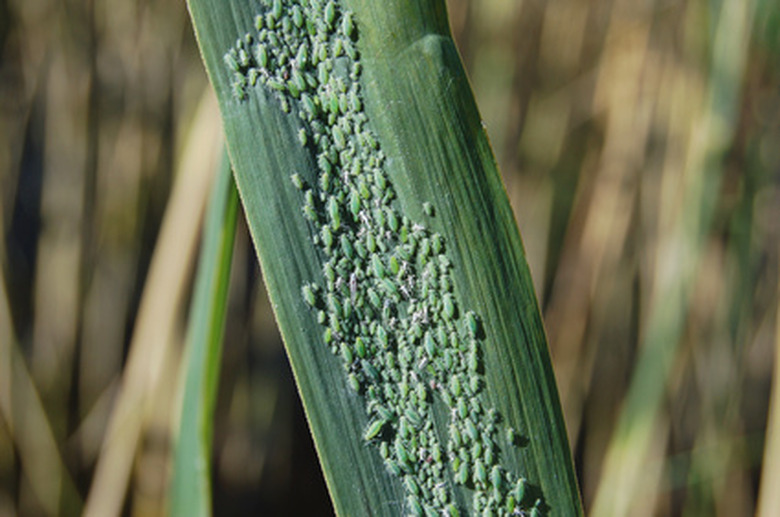
Botanical insecticides, also known as organic insecticides, are derived from plant extracts. Botanical insecticides may be toxic since many toxins occur naturally in the environment. Some botanical insecticides are not as long-lasting as their synthetic counterparts and may break down more readily.
- An insecticide is any chemical that is used to control, kill or repel insects.
- Some botanical insecticides are not as long-lasting as their synthetic counterparts and may break down more readily.
A few botanical insecticides are pyrethrum, neem, citrus oil and pyrethrin. Pyrethrum is derived from the chrysanthemum flower, which paralyzes soft-bodied insects such as aphids and scales. Neem insecticide, from the neem tree, is used to control more than 200 species of insects, nematodes and mites, reports the North Carolina State University Cooperative Extension. The seeds and leaves of the neem tree are used to make a repellant, which is not adequate for an actual infestation. Citrus oil is an extract from citrus peels. Its primary use is as a flea dip and as a repellant. It is a contact poison for aphids and mites but has no residual effect. Pyrethrin is from the daisy family and has been known to cause an allergic reaction in people and pets. It is an effective control for many insects.
- A few botanical insecticides are pyrethrum, neem, citrus oil and pyrethrin.
- The seeds and leaves of the neem tree are used to make a repellant, which is not adequate for an actual infestation.
Microbial insecticide
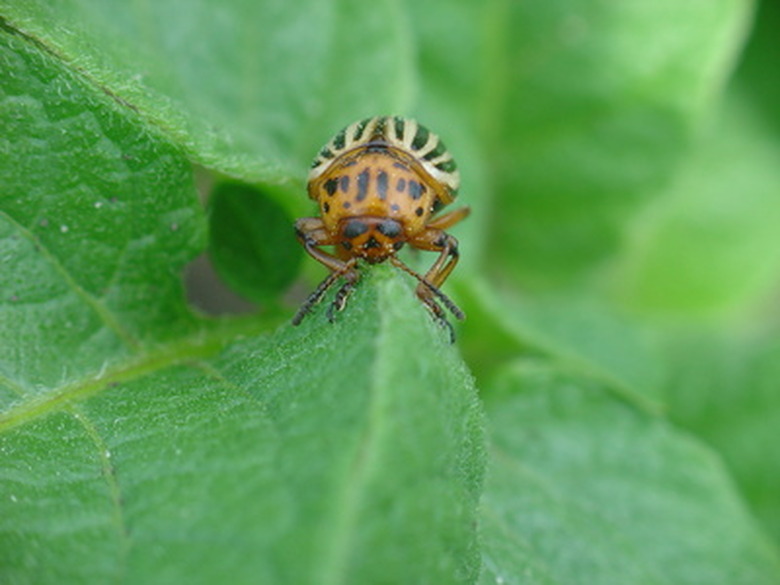
Purdue University Cooperative Extension states that microbial insecticides are non-toxic to people and beneficial insects. For home garden use, microbial insecticides have Bt (Bacillus thuringiensis), which causes paralysis in insects that consume it. This type of insecticide works well for controlling caterpillars, Colorado potato beetles and thrips.
Manufactured onsecticide
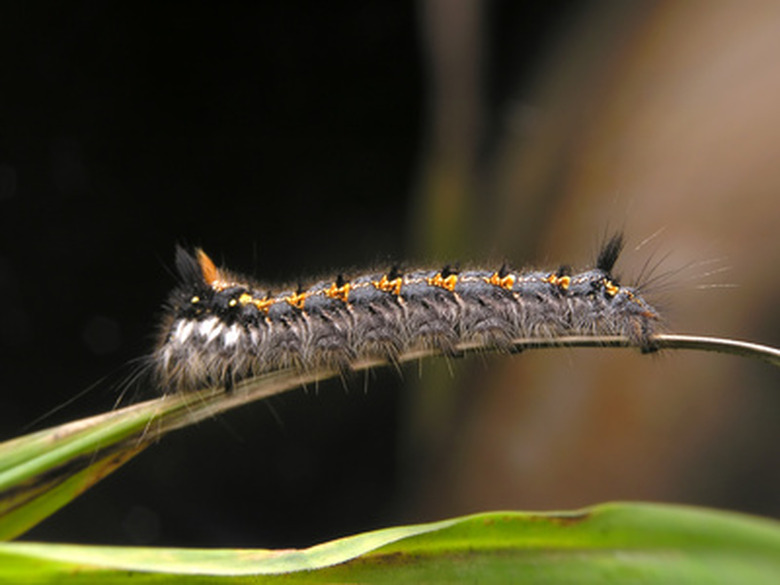
A few manufactured insecticides are carbaryl, malathion and pyrethroids. Carbaryl, also known as Sevin, is effective against caterpillars and beetles and remains on the plant for three or four days. Sevin does kill beneficial insects, so it may create an outbreak of destructive bugs such as aphids and mites. Malathion works well for sucking insects, remaining on plants for two or three days. Pyrethroids are toxic to honey bees and fish but are effective in controlling a wide variety of insects for up to 10 days.
- Purdue University Cooperative Extension states that microbial insecticides are non-toxic to people and beneficial insects.
- For home garden use, microbial insecticides have Bt (Bacillus thuringiensis), which causes paralysis in insects that consume it.
Inorganic Insecticide
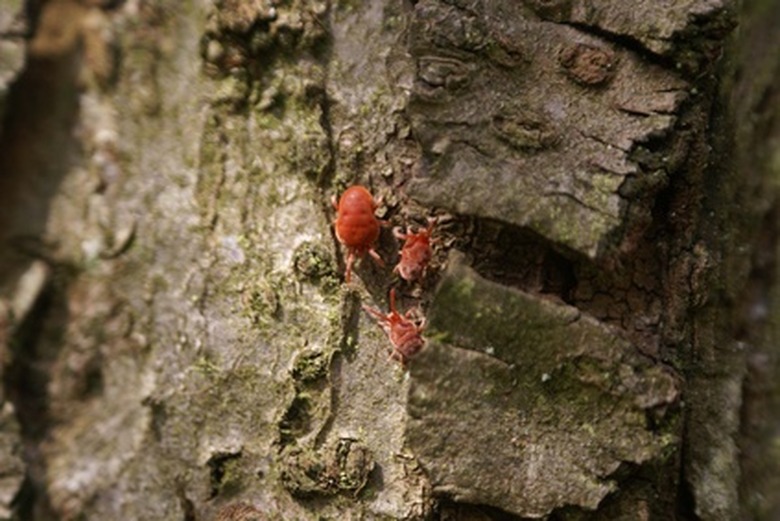
Soaps and oils are known as inorganic insecticides. Insecticidal soaps are made from fatty acids and need direct contact with the insect to be effective. Insecticidal soaps control whiteflies, leafhoppers, mites, aphids and scales.
Horticultural oils are usually petroleum based, but can be derived from plants. Oils sprayed directly on an insect can cause asphyxiation by blocking spiracles through which insects breathe, according to Colorado State University Extension. Some oils act as a poison, while others affect how an insect eats. Oils are useful in dealing with aphids, mites and scales. They are also successful for some plant diseases, such as powdery mildew.
- Soaps and oils are known as inorganic insecticides.
- Some oils act as a poison, while others affect how an insect eats.